


Apple is exploring a clamshell-style foldable iPhone often dubbed iPhone Flip, according to a new report from Bloomberg’s Mark Gurman. The project is said to be in active consideration rather than greenlit for production, signaling that Apple is weighing whether a vertically folding iPhone can meet its durability, design, and user experience bar.
A Clamshell iPhone Under Active Consideration
The report describes a compact, squarish device that folds top to bottom, echoing popular clamshell models from Samsung and Motorola. Gurman notes that Apple is still assessing whether bringing a flip-style iPhone to market makes sense alongside other foldable form factors the company has explored. That language matters: it implies prototyping and supplier discussions are underway, but a final go/no-go decision has not been made.
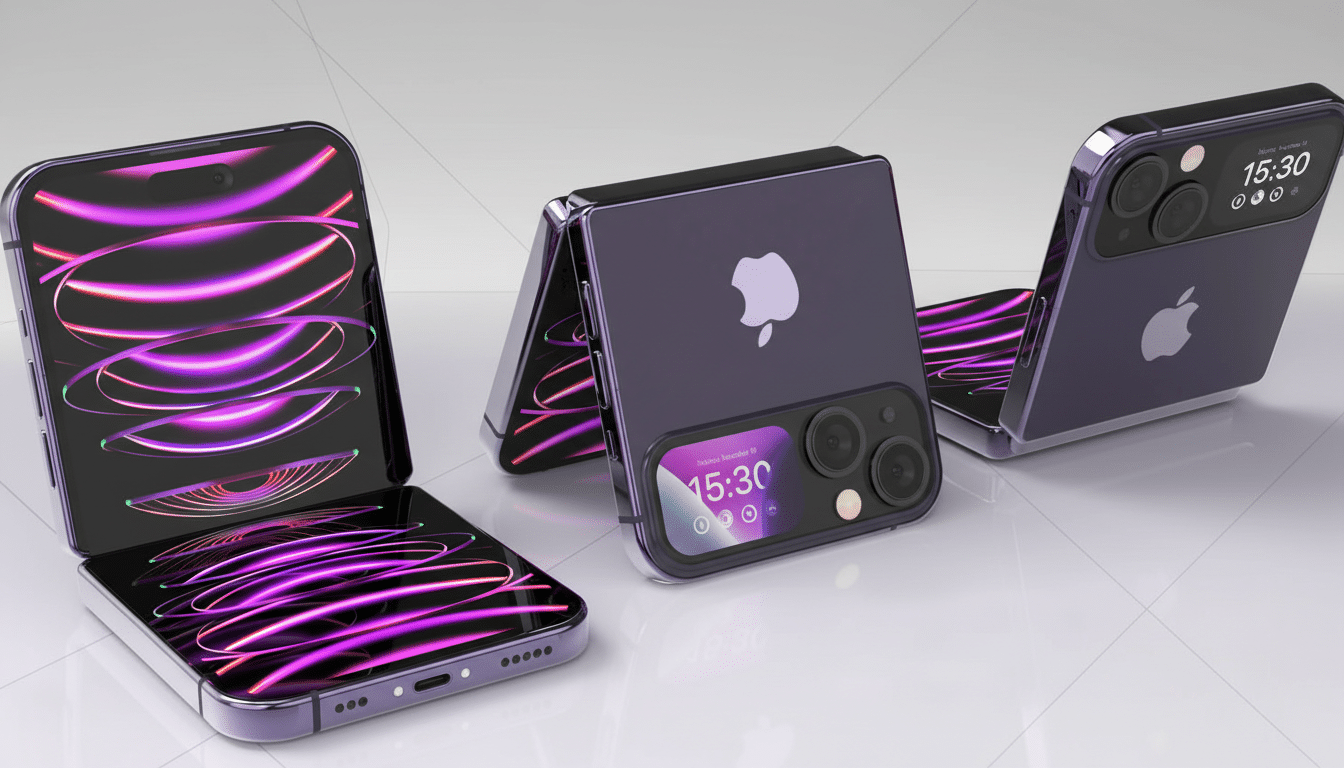
Industry chatter has long tied Apple’s foldable display evaluations to Samsung Display and LG Display, the two firms that have shipped most of the world’s ultra-thin glass (UTG) foldable panels. Display Supply Chain Consultants has previously outlined how hinge design, crease visibility, and panel thickness are the costliest challenges in this category—exactly the kind of details Apple historically obsesses over before shipping first-gen hardware.
Why a Flip iPhone Could Make Strategic Sense
Clamshell foldables have emerged as the volume leaders within the foldable segment because they pack a big screen into a pocketable footprint. Counterpoint Research estimates global foldable shipments reached roughly 15–16 million units recently, with clamshell models consistently among the top sellers. Samsung’s Flip line has been a headline driver of that demand, while Motorola’s Razr revival has gained momentum in North America and Europe.
For Apple, a flip design would serve users who value small phones but don’t want to compromise on screen size—an audience that once gravitated toward the iPhone mini. It would also give Apple a clear on-ramp into foldables at a potentially lower price than larger book-style devices, where hinges, larger panels, and battery packaging tend to push costs higher.
What an iPhone Flip Could Offer in Features and Design
While Apple hasn’t revealed any specifications, there are a few educated guesses based on market norms and Apple’s track record. Expect a robust outer cover screen for notifications, widgets, quick replies, and camera framing—areas where competitors have already shown strong consumer appeal. Apple would likely prioritize a flatter crease, dust and water resistance on par with current flagships, and hinge endurance at or above the 200,000-fold range that leading devices claim today.
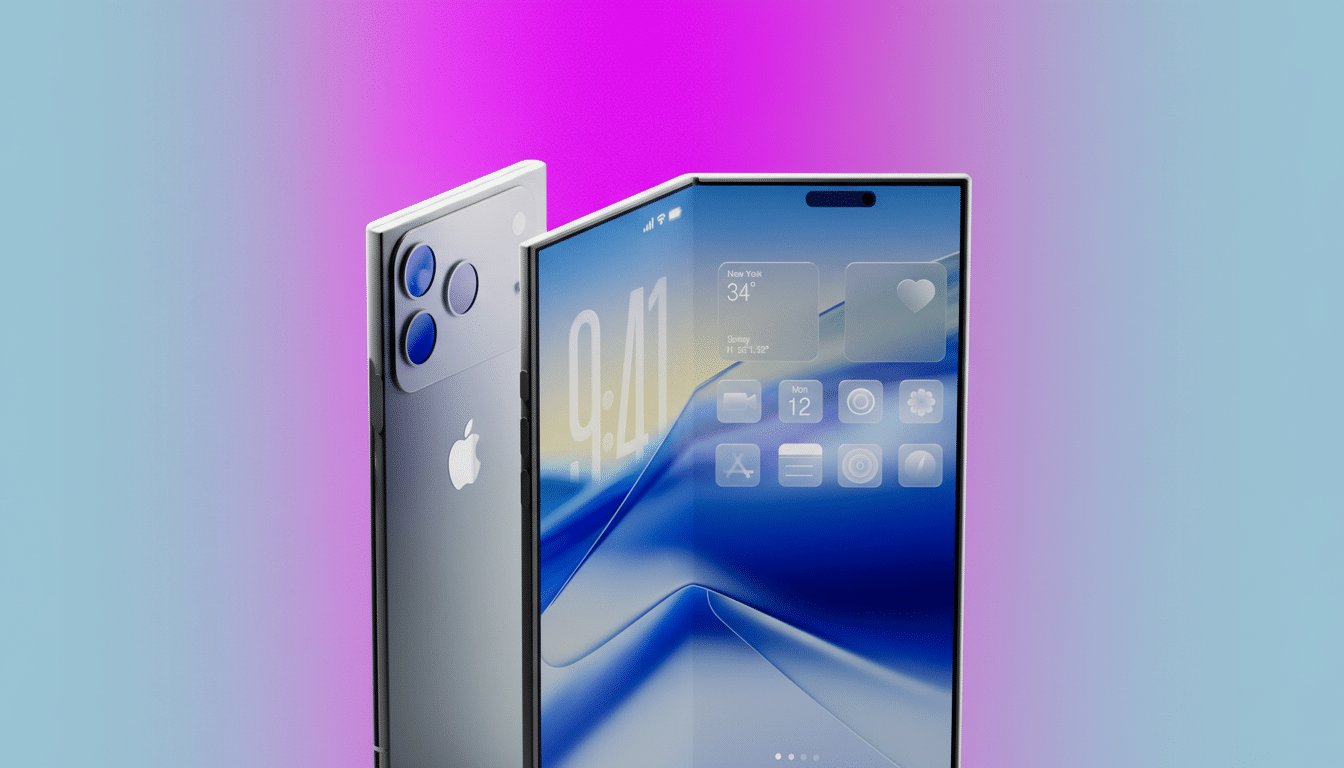
Apple has filed patents over the years covering flexible display cover layers, hinge architectures, and even self-healing polymers for minor surface abrasions. Patents don’t equal products, but they reveal potential directions: a focus on longevity, minimized crease visibility, and safeguards against debris ingress. On the software side, iOS would need thoughtful transitions between the outer and inner displays, continuity for apps mid-task, and camera features that exploit the fold for hands-free shooting and novel angles.
Supply Chain Signals and Potential Timing Factors
Analysts at IDC and DSCC often look for early tells: increased UTG panel orders, hinge component tooling, or assembly line reconfiguration at contract manufacturers. None of those signals alone confirm a launch, but taken together, they form the mosaic that typically precedes Apple hardware. It’s also worth noting prior reporting that Apple has evaluated multiple foldable sizes—including larger book-style concepts—suggesting the company is mapping a family of products rather than a one-off.
Pricing remains an open question. Foldables still command premium pricing across Android lineups, though costs have been nudging down as yields improve. If Apple enters with a flip-style iPhone, it may seek a price point that widens the addressable base while maintaining margins—especially critical if the company aims to drive ecosystem adoption and accessory attach rates.
Market Stakes and What to Watch in the Months Ahead
Foldables remain a small slice of the global smartphone pie, but they punch above their weight in attention and average selling price. If Apple believes a flip iPhone can convert mainstream buyers—not just early adopters—the move could accelerate category growth and pressure rivals on software polish and longevity guarantees. Watch for references to foldable behaviors in future iOS betas, murmurs of hinge and UTG procurement, and chatter from panel makers about Apple-specific tolerances.
For now, the iPhone Flip is a live option, not a certainty. Apple’s decision will hinge on whether it can deliver a device that feels unmistakably iPhone in reliability and finish, while offering a fresh reason to upgrade. If it clears those hurdles, the first clamshell iPhone could quickly redefine what “small phone” means in Apple’s lineup.
