


Apple is rolling out a privacy control that dials back how precisely iPhones and cellular iPads can be located by mobile networks, aiming to blunt a long-standing vector for surveillance and data abuse without breaking emergency services or app-based navigation. When enabled, the feature shares only a coarse, neighborhood-level position with a user’s carrier rather than a street-level fix.
How The Feature Changes Network Tracking
Cell networks have always known roughly where a phone is by seeing which towers handle its traffic. But modern networks can get far more precise by combining tower signals with handset-provided data, such as GPS readings and timing measurements used in LTE and 5G positioning (for example, LTE Positioning Protocol and observed time difference methods). Apple’s new control curbs that precision by limiting what the device reports back to the network, raising the floor from “pinpoint” to “in the area.”
Crucially, Apple says the setting does not degrade the precision available to apps you authorize—your maps and ride-hailing apps still get exact GPS—and it does not interfere with enhanced 911/112 location during an emergency call. The change targets the carrier side of the equation, where device-assisted positioning has quietly grown more accurate in recent years.
Which Devices And Carriers Get The Feature First
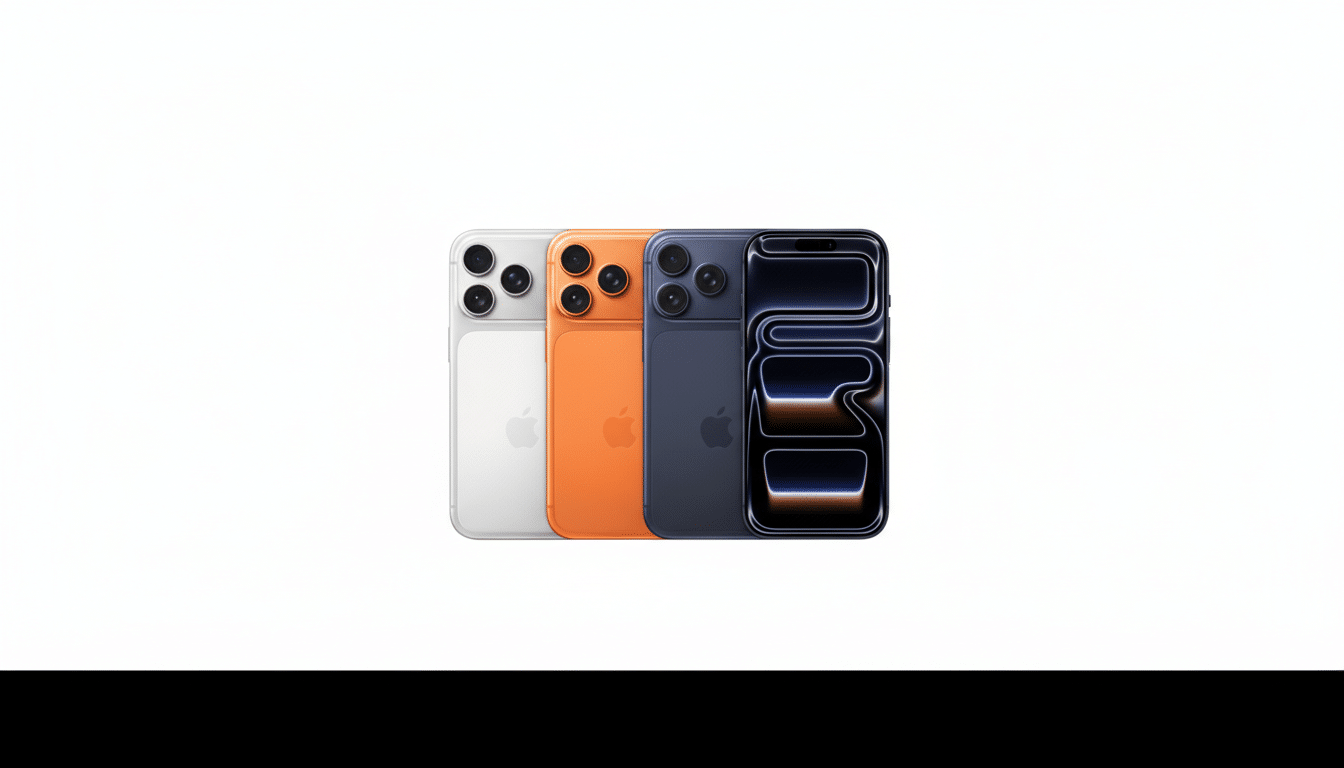
The capability is launching on select new devices running iOS 26.3: iPhone Air, iPhone 16e, and iPad Pro (M5) Wi‑Fi + Cellular. Early carrier support includes Telekom in Germany, AIS and True in Thailand, EE and BT in the United Kingdom, and Boost Mobile in the United States. Wider adoption will depend on additional operators enabling the requisite network-side support.
Apple has not offered an official rationale beyond user privacy. That restraint is typical for baseband-level changes, but the timing tracks a broader backlash to non-consensual location harvesting and the security risks tied to carrier data stores.
Why This Change Matters For Privacy And Security Now
Carriers remain a high-value target for governments and attackers because they sit at the crossroads of sensitive metadata: who you called, when, and where you traveled. Over the past year, multiple U.S. telecoms disclosed intrusions attributed to a China-linked group known as Salt Typhoon, which reportedly sought call records and message data associated with senior officials. Limiting handset-assisted precision reduces the payoff from such breaches.
The privacy risk is not hypothetical. A series of investigations and enforcement actions showed how precise carrier location data flowed through brokers to bounty hunters and private investigators. The Federal Communications Commission recently finalized nearly $200 million in fines against several major carriers for mishandling the sale of real-time location data, underscoring the systemic nature of the problem.
There’s also the long tail of legacy telecom vulnerabilities. Surveillance vendors have exploited weaknesses in global signaling systems like SS7 and Diameter to query or triangulate subscribers around the world. While networks can mitigate, device-side controls that minimize shared precision create another barrier, making mass, silent tracking harder.
Expert Perspectives On Apple’s Carrier Location Shift
Mobile security researchers have long noted that phones contribute to their own traceability by volunteering highly accurate positioning data to networks. Gary Miller, a Citizen Lab researcher and senior director of network intelligence at iVerify, has pointed out that users could limit GPS access at the app level, but had little say over the device-to-network disclosures. Apple’s move, while limited to a subset of operators at launch, puts a control in the user’s hands where none effectively existed before.
Limits And Open Questions About The New Control
This is not a universal fix—at least not yet. The feature relies on carrier participation, and it’s initially available only on the newest Apple hardware. It also won’t thwart lawful, device-based searches or location data gathered directly by apps and third-party SDKs. And because it preserves precise location for emergency calls, networks still have a pathway to accuracy when it’s genuinely needed.
Still, shifting the default from precise to coarse at the carrier layer could recalibrate incentives. If handset makers and more operators follow suit, data broker pipelines and certain law-enforcement practices that leaned on carrier precision may face friction. It may also prod standards bodies and Android ecosystem partners to consider user-facing controls for control‑plane location, complementing the app-level “approximate location” that already exists.
What Users Of Supported Devices Should Do Right Now
If you own one of the supported models, check your privacy settings after updating to iOS 26.3 and verify whether your carrier supports the new control. Keep precise location enabled for the apps and emergency services you trust, and audit third-party apps that request location frequently. The biggest gains come from layering defenses: lock down apps that don’t need location, and now, where possible, limit what the network learns too.
