


Apple has added a pair of familiar products — the iPhone 11 Pro Max and Apple Watch Series 3 — to its vintage list, MacRumors reports. The two gadgets will appear on the company’s lists of older devices across Apple.com, which separate aging hardware into two categories.
The change does not negate their utility, but it represents a new phase in how Apple and its service network will support repairs.
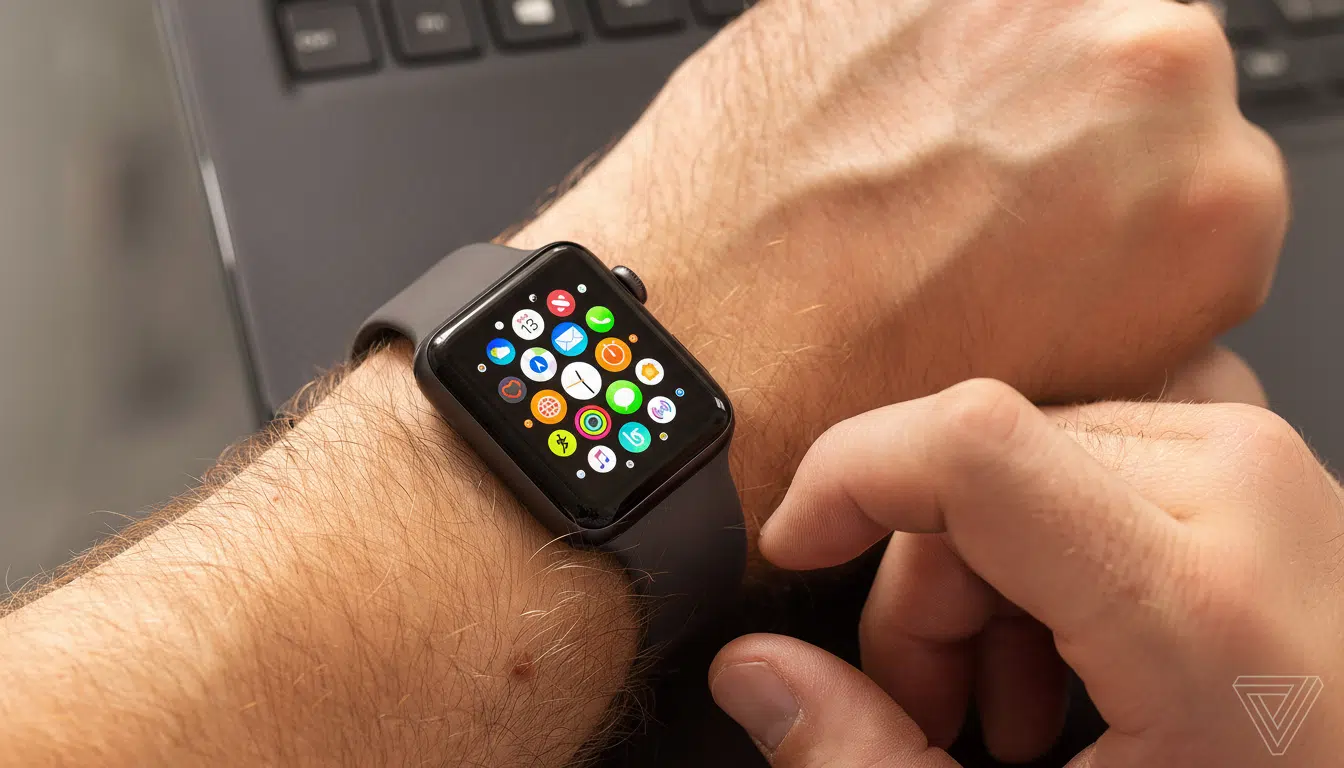
What It Means For Owners To Have Vintage Status
On Apple’s support pages, “vintage” products are ones that ceased to be sold more than five and less than seven years ago. It is still possible to repair them at Apple Stores and Apple Authorized Service Providers, assuming parts are in stock. In other words, you may be able to get a battery or display swap today, but not tomorrow.
“Vintage” is not the end of the road; “obsolete” is. When a product is added to Apple’s list of obsolete hardware, all repairs and support are cut off. Apple makes an exception for certain Mac notebooks, in which battery service may be available for up to a maximum of 10 years, depending on the model and parts availability.
Why These Two Devices Still Matter to Many Owners
The iPhone 11 Pro Max was the first “Pro Max” model with Apple’s tri‑camera system, which brought a dedicated ultra‑wide lens and Night mode that redefined low‑light photography on iPhone. It also introduced significantly improved battery life for heavy users, a fact that many owners still cite as a reason not to replace the phone.
Despite the “vintage” label, the 11 Pro Max is still a popular handset, and it’s still receiving software updates for now — which are what usually count when it comes to security and day‑to‑day performance. Firms that track the installed base, like Consumer Intelligence Research Partners and Counterpoint Research, have long noted how many years iPhone owners tend to hold on to their devices — often four or more years — in part because of Apple’s extended software support and strong resale value.
Apple Watch Series 3 is another matter. It was not cheap, but rather a bargain on‑ramp to Apple’s wearable ecosystem that endured for years and facilitated Apple’s smartwatch share domination in shipment analyses from both Canalys and Counterpoint Research. Its official software lineage culminated with watchOS 8; newer watchOS releases have left it behind, so the vintage label is largely an identifier for hardware service rather than functionality.
Practical takeaways if you own one of these devices
If you’ve been mulling a battery replacement or screen repair on an iPhone 11 Pro Max, now would be a smart time to schedule one since OEM parts are more likely to be available.
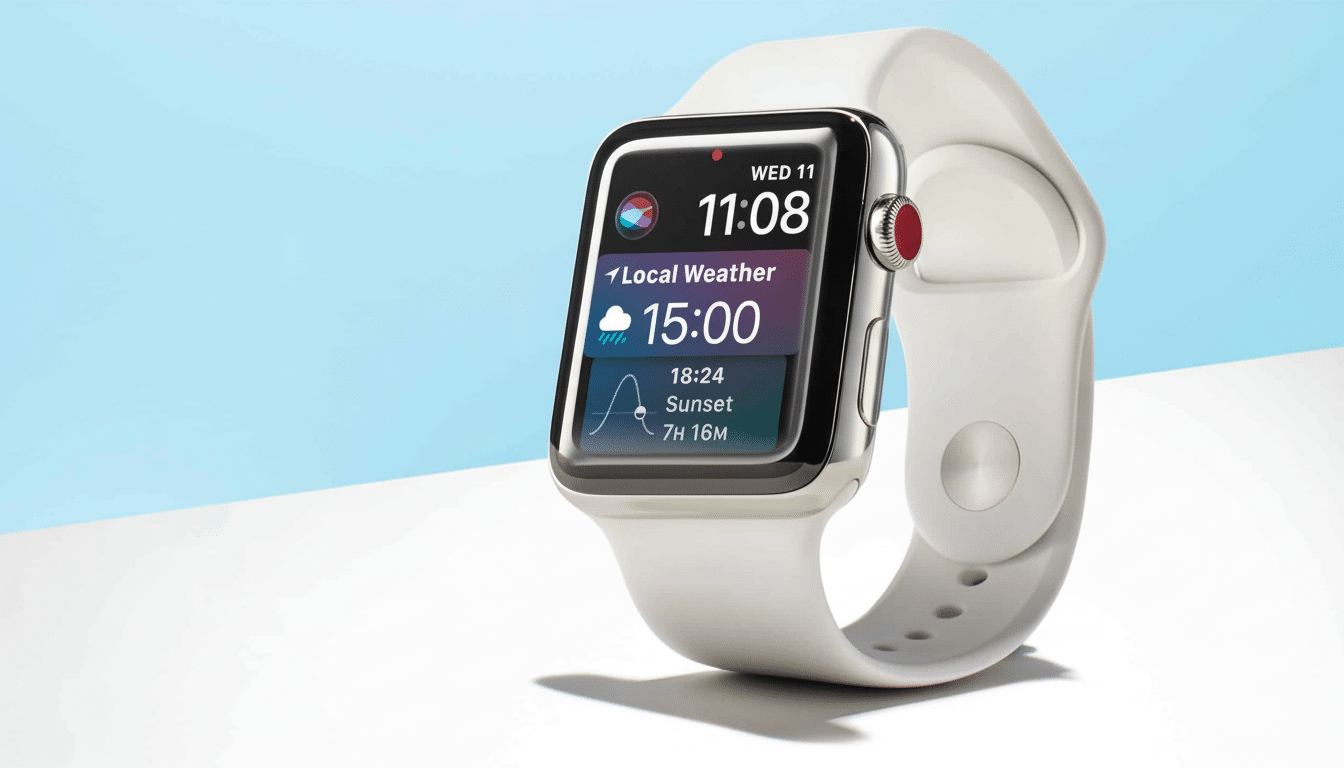
The same is true of the Apple Watch Series 3, as parts availability can dry up fast after a model goes vintage.
How long your iPhone has been classified as vintage does not impact your ability to install software updates; an Apple service extension does not supersede the company’s operating system support timeline. For the Watch, it’s an OS and app cliff, and owners can expect functionality gaps at some future date with new watch features and services.
Resale markets usually respond to lifecycle events. Prices differ by condition and storage, but refurbishers sometimes lower buy‑back offers when Apple indicates parts will be harder to come by. If you intend to sell or trade in, collecting quotes from several of the more than 2,000 retailers can help you catch value before the slide.
From vintage to obsolete: what device owners should expect
Products typically stay on the vintage list for two years before being placed in the obsolete category, at which point Apple discontinues hardware service of any kind. That window is essentially the last opportunity for official repairs and a signal to third‑party shops that OEM parts are in short supply.
Owners who plan to keep these devices should back them up regularly, take into account the health of the battery, and ponder whether it’s worthwhile getting a preemptive repair even if the device is otherwise in good condition. For those eyeing an upgrade, the timing of a trade‑in is likely going to be weighed against probable plunges in parts availability and resale prices.
Apple’s broader lifecycle shuffle and what it signals
Apple’s lists of vintage and obsolete products are updated on a rolling basis. Those that have been recently added to the list include older Mac notebooks and several generations of the iPhone, including those sold between 2016 and 2018 as well as some dating back to 2009, according to a MacRumors report and Apple’s own support page.
The inclusion of the iPhone 11 Pro Max and Apple Watch Series 3 further follows an established pattern: long‑selling, high‑volume models shift to consuming only limited services as software support, where appropriate, extends their useful lifetimes. For a lot of users, that means you have time left to maintain or responsibly retire these devices — just don’t put it off until the parts are long gone.
