


Apple is stepping on the gas in wearables, fast-tracking three AI-powered devices that could reshape how people capture, hear, and interpret the world around them. According to multiple reports, the company is advancing a shirt-worn camera pendant, a pair of AI smart glasses internally known as N50, and AirPods with upgraded intelligence—moves that would extend Apple’s on-device AI strategy from the iPhone and Watch into always-available assistants you don’t hold in your hand.
Inside Apple’s Accelerating Push Into AI Wearables
The effort reportedly spans three form factors. First is a lapel-style pendant roughly the size of an AirTag that uses cameras and onboard models to understand scenes, capture moments, and answer visual questions. The concept echoes the broader industry’s search for a hands-free AI companion and was first surfaced by The Information.
- Inside Apple’s Accelerating Push Into AI Wearables
- Why a Pendant and Glasses Make Sense Now
- What the N50 Glasses Could Deliver for Users and Developers
- AirPods as the Everyday AI Interface for Ambient Computing
- Competition and the Stakes for Apple in AI Wearables
- What to Watch Next as Apple Advances AI Wearables Strategy
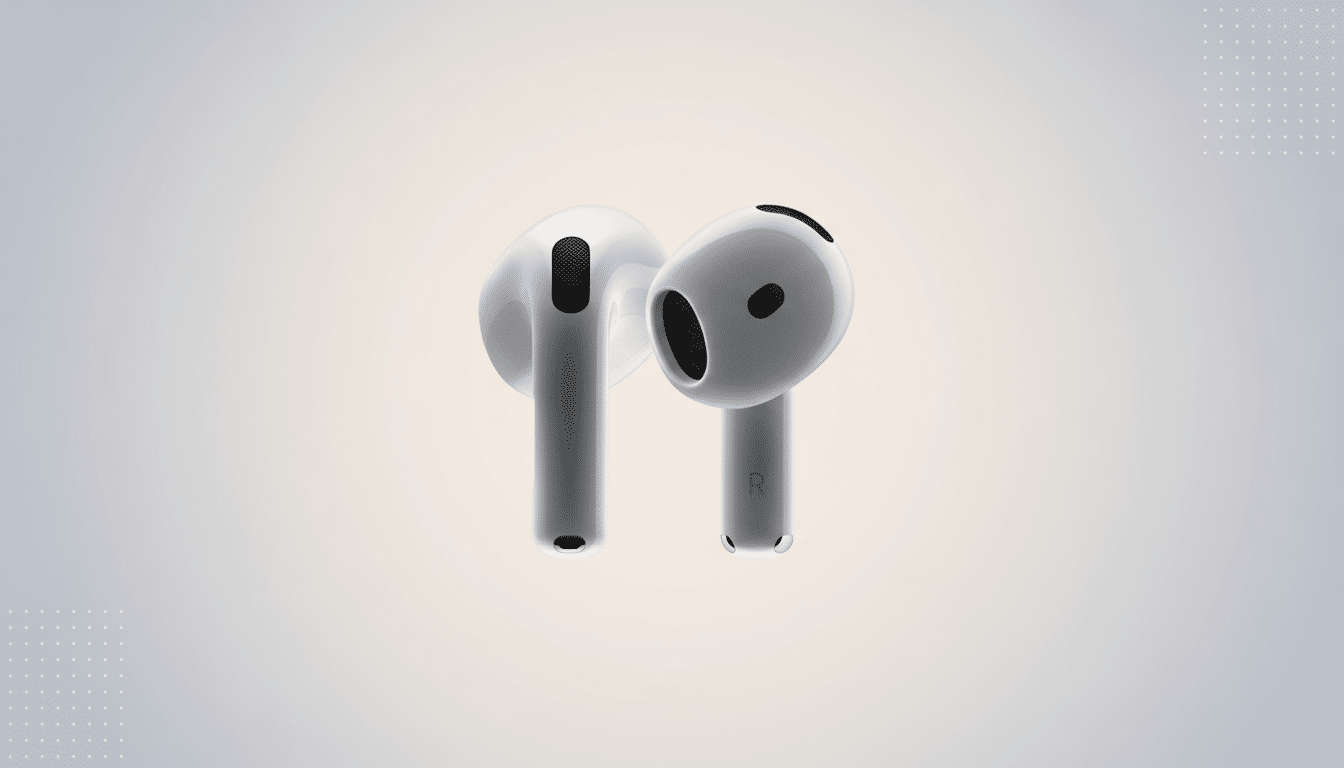
Second, Bloomberg reports Apple is advancing smart glasses with a high-resolution camera and an emphasis on AI features rather than immersive displays. That framing suggests a pragmatic step between traditional glasses and full AR—leaning on vision, audio, and a discreet assistant instead of heavy optics.
Finally, AirPods are said to be in line for new AI capabilities. Given Apple’s silicon and acoustic chops, think beyond basic voice control toward context-aware assistance, richer notifications, and health-related features that make the earbuds a frontline interface for Apple Intelligence.
Why a Pendant and Glasses Make Sense Now
Two shifts make this timing feel logical. The first is technical: foundation models have become dramatically more capable at multimodal tasks, and Apple’s approach emphasizes on-device processing with private cloud fallback—crucial for battery-powered wearables and privacy expectations. The second is market validation. Meta’s Ray-Ban lineup has proven that camera-forward glasses can find a mainstream audience when comfort, battery life, and social acceptability align, while Snap continues iterating on Spectacles for creators.
There are also cautionary tales. Early AI pins have struggled with heat, battery life, and unclear value. Apple’s integration—from silicon to services—positions it to mitigate those pitfalls. The company already ships low-power neural engines in watch and audio chips, and its system-level control could translate to faster wake words, smarter power management, and subtle UX touches (like capture LEDs and privacy prompts) that people trust.
What the N50 Glasses Could Deliver for Users and Developers
Reports point to a high-resolution camera as the hardware anchor. Paired with on-device vision models, that opens the door to features consumers actually use: hands-free photo and video capture, real-time visual search, scene descriptions for accessibility, grocery or household item identification, and smarter recall of what you’ve seen during the day. Expect tight integrations with Photos, Notes, and Reminders—imagine saying, “What was the price on the shelf tag I looked at earlier?” and getting a precise answer.
Importantly, this path avoids the headwinds facing fully immersive AR. Instead of solving for complex optics and all-day microdisplays, Apple can prioritize comfort, battery life, and social norms, while laying groundwork for a more ambitious headset future. Think of N50 as a stepping stone that primes developers and consumers for ambient, AI-first interaction without a screen in your field of view.
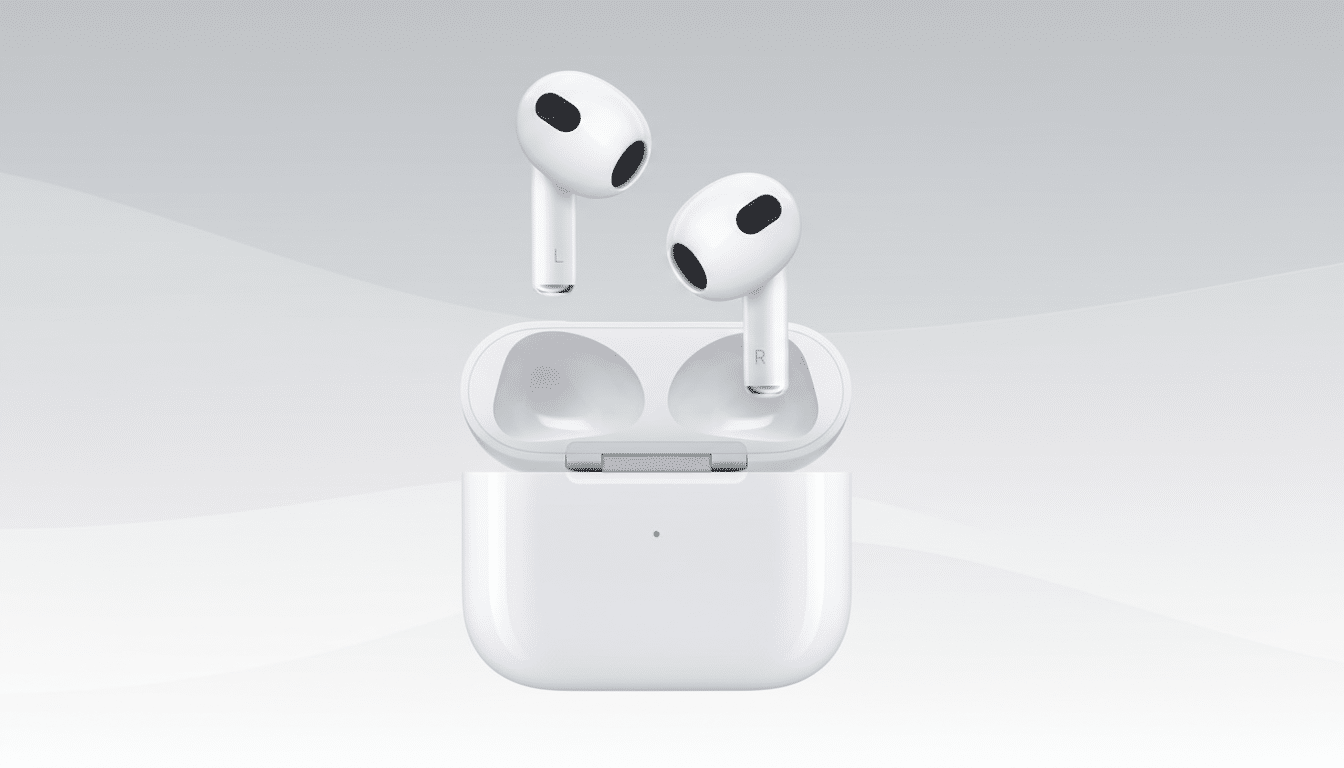
AirPods as the Everyday AI Interface for Ambient Computing
AirPods are already Apple’s most ubiquitous wearable, making them ideal for ambient AI. Enhanced on-ear voice recognition, faster Siri response, and context-aware prompts could let AirPods triage messages, summarize notifications, translate on the fly, and surface timely suggestions. Apple has also explored hearing health for years; coupling machine learning with microphones could improve personalized audio profiles, conversation enhancement, and safety features without drifting into regulated medical territory.
The H-series audio chips and Apple’s beamforming microphones are well suited for diarization and noise classification, enabling features like “remember action items from this meeting” or “reduce keyboard clatter” when you join a call—delivered privately, on-device when possible.
Competition and the Stakes for Apple in AI Wearables
Apple isn’t alone. Meta, Snap, and Samsung are seeding the market with camera glasses, rings, and hearables that double as AI remotes. Analyst firms including IDC and Counterpoint Research say wearables growth remains resilient, with hearables leading unit volumes and camera-enabled eyewear emerging from niche to notable. For Apple, the prize is strategic: wearables deepen lock-in, expand Apple Intelligence beyond screens, and add a fresh layer of services revenue on top of hardware margins.
There’s risk, too. Camera wearables face scrutiny in public spaces, and regulators in North America and Europe are vigilant about biometrics and recording. Apple’s privacy branding and visible capture indicators will be essential, as will guardrails around face recognition and data retention.
What to Watch Next as Apple Advances AI Wearables Strategy
Supply-chain chatter around camera modules, hinges, frames, and low-power NPUs will be early tells, as will software breadcrumbs: new computer-vision APIs scoped for wearables, Siri upgrades tuned for noisy environments, and developer tooling that lets apps tap multimodal inputs without draining a tiny battery.
Context matters here. Apple’s Wearables, Home, and Accessories business has been a multibillion-dollar engine for years, per company filings. If Apple can translate its on-device AI playbook into products you forget you’re wearing—until they do something magical—this trio could define the next phase of ambient computing.
