


Anker’s energy brand SOLIX has unveiled the E10, a whole-home backup system that blends rooftop solar, high-capacity batteries, and a fuel-fed generator into one coordinated package. The promise is simple but compelling: clean power when the sun is shining, quiet battery backup when it isn’t, and a smart generator that steps in for multi-day outages.
What Makes the SOLIX E10 a True Hybrid Backup System
The SOLIX E10 links three legs of resilience—solar, storage, and a fuel source—under a single control stack. Beyond the solar array and battery modules, the system can drive a fuel-based Smart Generator 5500 that runs on gasoline, propane, or natural gas. That fuel flexibility matters when supply chains are strained or a refill option is limited to whichever fuel you can actually get.
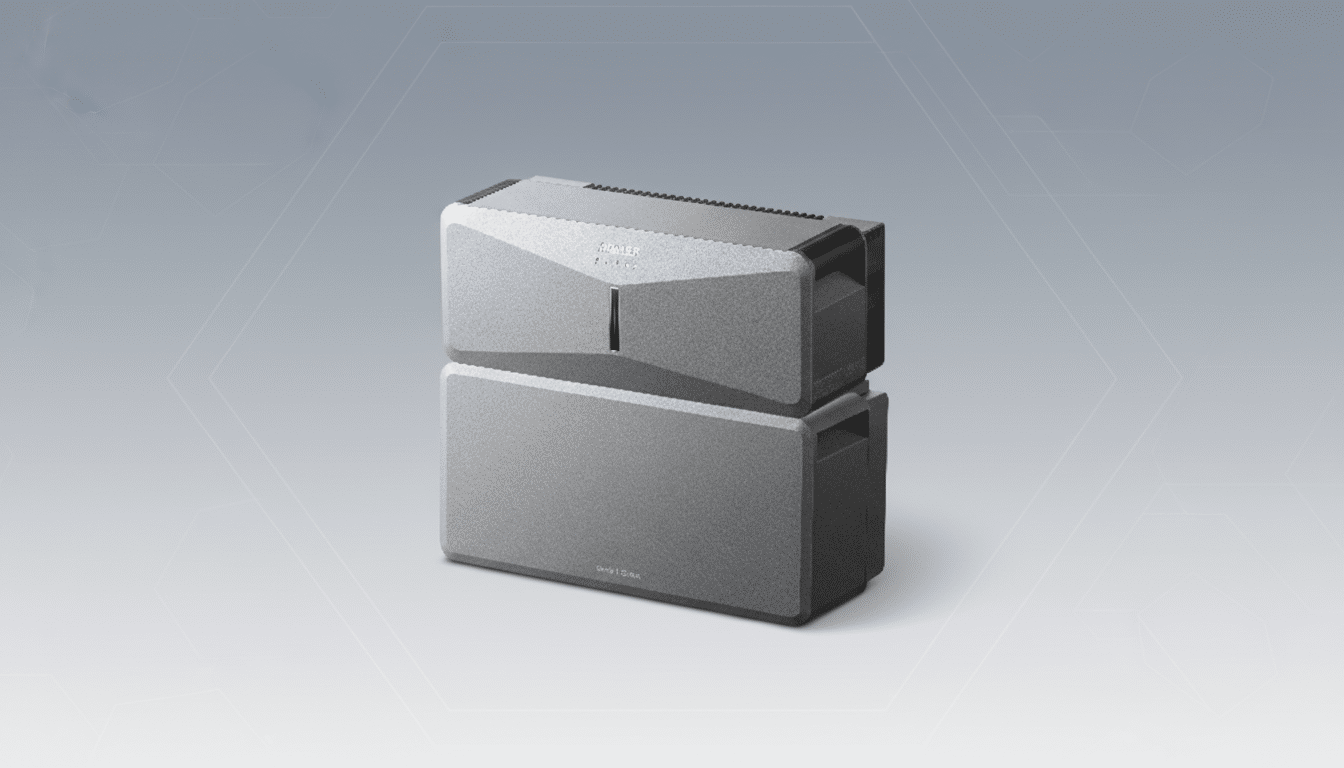
Out of the box, one E10 with a single battery delivers 7.6kW of continuous output and can boost to 10kW for up to 90 minutes. Surge capacity reaches 37.2kW, enough to start heavy loads like central air conditioning or well pumps. Stack more batteries, tie in up to three E10 systems, and pair with the Smart Generator and solar to reach a combined 90kW—headroom for large homes and simultaneous high-draw appliances.
It’s built for rough conditions, too. The all-metal enclosure is weatherproof and operates from -4°F to 131°F, covering most residential climates.
Fast Switching and Smarter Load Control for Home Backup
Central to the setup is the new Power Dock, which swaps from grid to backup in just 20ms. That’s fast enough to keep lights steady and prevent most electronics from rebooting. Typical automatic transfer switches often take longer; shaving that transition window helps sensitive home offices and network gear ride through glitches.
The companion app provides circuit-level visibility, allowing you to prioritize essentials and shed noncritical loads during an outage. It can automate those decisions, shifting between battery-only operation and generator assist to optimize runtime, fuel use, and noise. For homeowners who prefer hands-on control, the Smart Inlet Box enables manual override and restoration when utility power returns.
Why Hybrid Backup Matters Now for Grid Resilience
Grid interruptions are getting longer and more frequent as severe weather stresses infrastructure. Federal reliability data shows average outage durations stretching to multiple hours each year, with storm-related events lasting days in some regions. During extended blackouts—think ice storms in Texas or wind-driven shutoffs in the West—battery-only systems can drain before the grid returns, especially in low-solar conditions.
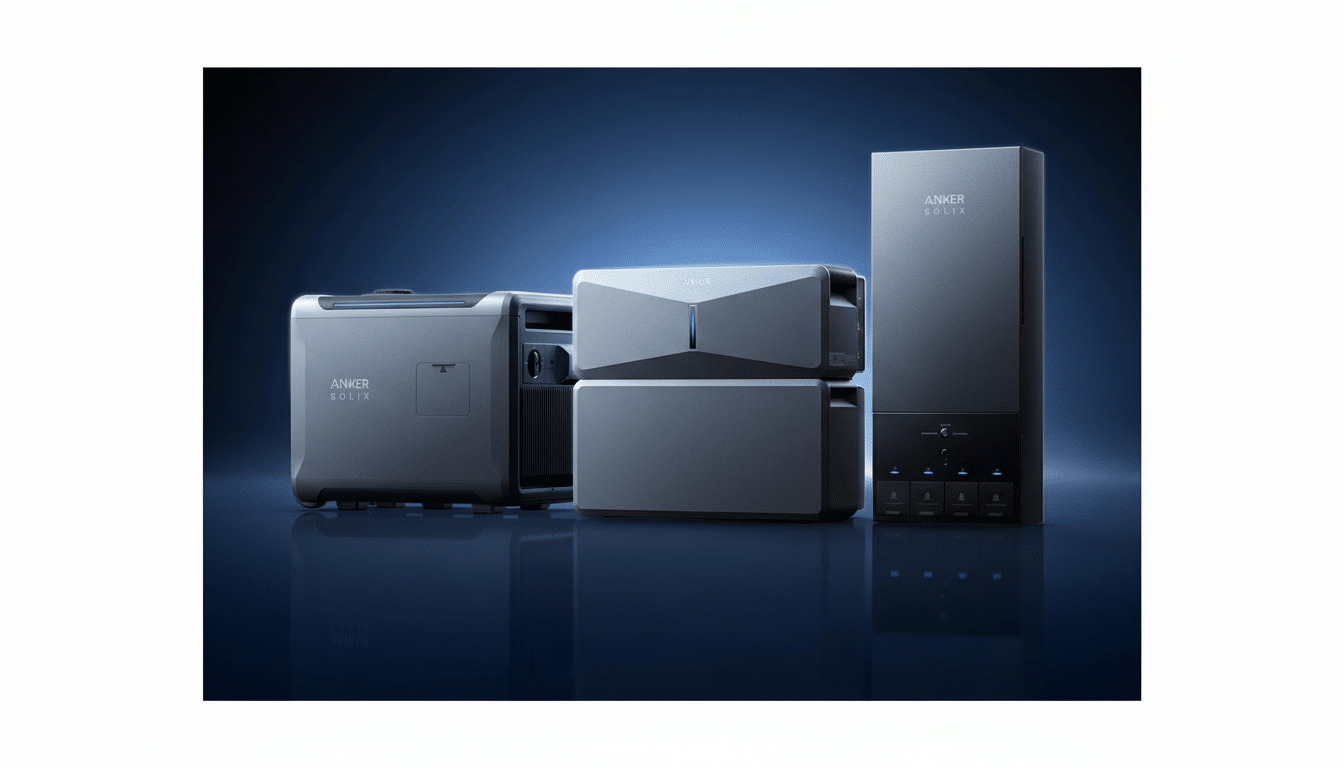
A hybrid architecture addresses that gap. Solar cuts daytime load and recharges storage. Batteries handle silent, instant power and overnight needs. The generator fills the remaining troughs so you don’t ration electricity or scramble for portable units. Because the generator only runs when necessary, total runtime and fuel consumption drop significantly compared to generator-only solutions, reducing emissions and operating costs.
How It Stacks Up Against Rivals in Home Backup
Battery leaders like Tesla and Enphase emphasize all-electric resilience and tight solar integration. Generator-first brands such as Generac pair batteries with standby generators but often rely on separate components and third-party logic. Portable power makers EcoFlow and Bluetti support add-on dual-fuel generators for their systems. SOLIX’s claim to be the first “smart hybrid whole home backup” hinges on delivering these pieces as a unified, orchestration-first system with fast transfer, deep surge capability, and multi-fuel support under one app.
For buyers, the differentiator isn’t just kilowatts; it’s coordination. An integrated controller that knows your solar input, state of charge, and household loads can schedule generator runs during lowest solar yield, precharge batteries ahead of storms, and throttle loads to keep critical circuits alive without constant micromanagement.
Installation, Incentives, and Ownership
SOLIX says the E10 supports plug-and-play installation with DIY-friendly touches, though most jurisdictions still require a licensed electrician and utility interconnection for whole-home backup. Check local code for transfer equipment and generator ventilation requirements.
Homeowners in the United States may be eligible for a 30% federal investment tax credit on solar and battery portions of a project, with state and utility rebates available in certain markets. Programs cataloged by DSIRE and guidance from the IRS can clarify eligibility. Fuel costs, maintenance intervals, and the price of additional batteries will influence total cost of ownership; the hybrid model can reduce generator wear by letting solar and storage carry most of the load.
Bottom Line: A Practical Path to Whole-Home Resilience
The SOLIX E10 brings a pragmatic take to home energy resilience: use clean power whenever possible, then blend in a right-sized, fuel-flexible generator when conditions demand it. With 20ms transfer, high surge output, and coordinated controls across solar, storage, and fuel, it aims to make outages largely invisible—and far less stressful—for households that can’t afford downtime.
