


Google is quietly testing a system feature it calls Contextual Suggestions, which is meant to bring Pixel-like “Magic Cue” smarts to a wider range of Android users. Early indicators point to the tool sifting through recommended actions related to what you’re doing, where you are, and when you typically do that thing—with no manual digging around in apps necessary.
What Are Contextual Suggestions on Android Devices
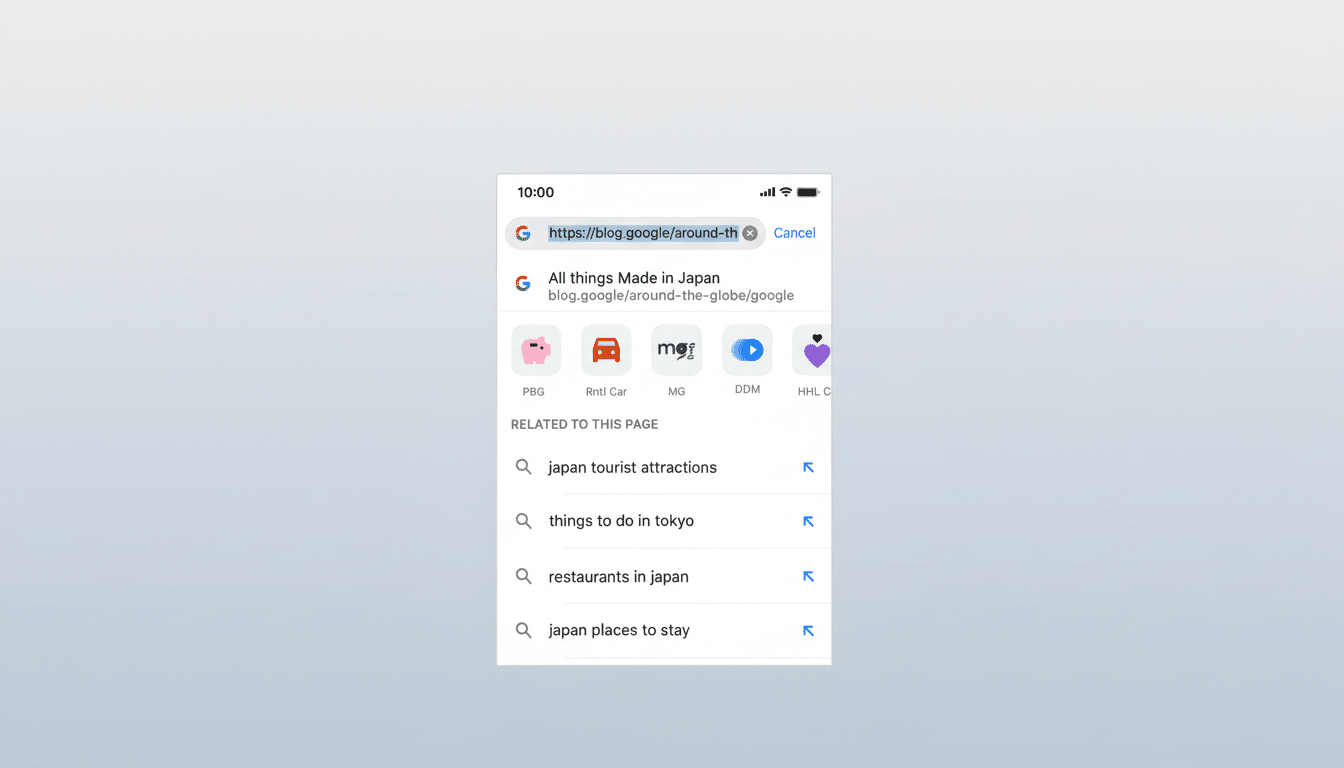
Contextual Suggestions is a service that’s supposed to predict the kind of things you’re going to do, like looking up a word in Vocab or recording an audio note, and then suggest doing those tasks for you at the perfect time. Imagine walking into the gym and having your favorite workout playlist pop up instantly, or getting a nudge to cast a weekly sports stream to your TV around kickoff. This is a breezy, system-level nudge that borrows from phone patterns, so you can act on with one tap.
As a concept, it sounds like the intention of Magic Cue on Google’s new Pixel phones—context-aware recommendations within compatible applications—but instead seems bigger-picture and more general-purpose, without a single flagship feature standing out so loudly.
How Contextual Suggestions Work and Where They Live
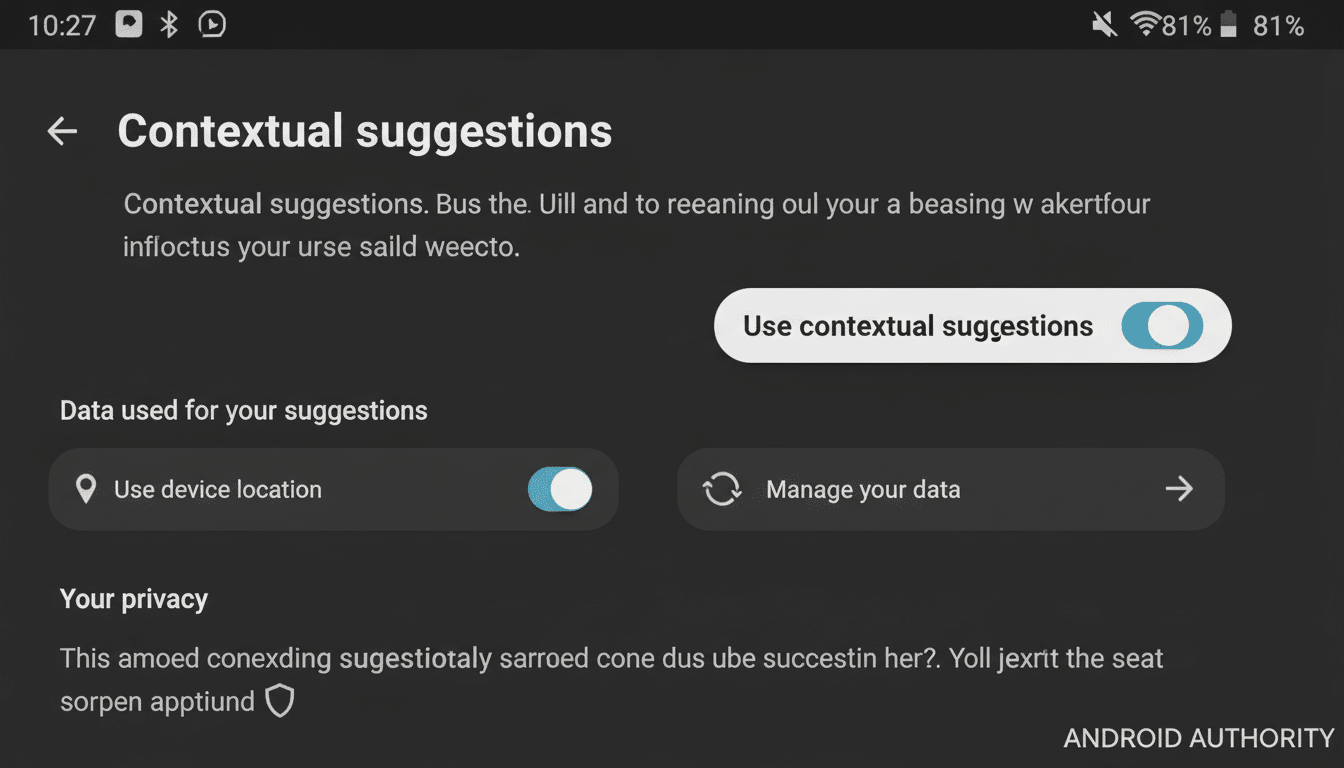
The feature seems to be appearing for some testers on Google Play Services version 25.49.32 beta. It can be found under Settings > Google Services > All services > Others, when available. Availability appears to be hit-or-miss, a telltale sign of a server-side rollout to a limited pool of users rather than wide availability.
Google describes the process in terms of AI, indicating on-device models evaluate usage signals, such as location patterns and app behavior. Because it runs through Play Services, the feature isn’t confined to one phone brand. That said, the depth of suggestions might depend on device capabilities; if there are heavier models in play, older or lower-power phones may receive a simpler set of cues.
Privacy and data handling for Contextual Suggestions
Google is quick to point out that processing happens locally and in an encrypted context on the device, and apps can’t get at the underlying Contextual Suggestions data. The company also says the data “automatically becomes deleted” after 60 days, with a “Manage your data” control for manual deletion. The feature is opt-in and can be entirely toggled off, while any sharing—say, sending a bug report—remains in the user’s purview.
This is part of a larger Android pattern of processing sensitive signals on the device, much like Private Compute mode used for features like Live Caption and Now Playing. If Google is prepared to physically separate data and delete it frequently, that could help assuage the typical concerns raised around behavioral profiling.
Why it matters to the Android ecosystem right now
Play Services has been installed more than ten billion times, and Google has claimed more than three billion active Android devices worldwide; Android had an estimated 70% share of the mobile operating system market by usage in 2020, per StatCounter. A modest bump in frictionless actions at that level can really change the feel for how people go about their activities in apps and services through an average day.
Contextual Suggestions is one way that Android gets nudged into the space other phones have long sought out. Apple’s Siri Suggestions and Proactive surfaces, Samsung’s Bixby Routines—they all promise time-saving reminders. The advantage for Google, though, is system reach and deep integrations with Search, Maps, YouTube, and Assistant. Assuming this feature is hooked into existing App Actions or Shortcuts systems, third-party developers could benefit as well—though Google hasn’t posted a list of supported apps (and early availability may be biased toward Google’s own apps).
It’s significant that the initial release of Magic Cue will leave some power users wanting. A plainer but ubiquitous version piped into handsets via Play Services could iterate faster and end up in daily habits (commutes, workouts, favorite casts, and regular shopping) where it matters.
Rollout details and what to watch for in early testing
There’s no official announcement or timeline, and access seems to be restricted to select beta users. Keep an eye out for references in changelogs to Play Services and for the new entry under Google Services in installations. Key things to watch for:
- If Google actually starts calling out supported apps
- When Assistant or At a Glance start surfacing these suggestions alongside one another
- Whether developers are given APIs to hook their own actions into the system
If Google shakes out the bugs and nails Contextual Suggestions, it could become one of those behind-the-scenes Android features that makes a huge difference—nobody notices when it’s there and working, but people sure as heck notice when it’s gone—from Pixel-specific predictive smarts to a much broader spectrum of devices.
