


If you’re trying to put your phone down without feeling restless, the easiest bridge back to a calmer, more focused brain might be a book you can write in, scribble on, or slowly solve. Analog activity books are having a moment in 2026, blending low-stakes creativity with real cognitive payoff—and they travel better than any app.
There’s a reason the category keeps expanding. Pew Research Center has reported that 54% of teens say giving up social media would be hard, while more than a third say they spend too much time on it. Adults aren’t immune either; Insider Intelligence estimates Americans now spend over seven hours a day with digital media. Little wonder that activities which reward patience—coloring, logic puzzles, crosswords—are surging as screen counterweights.
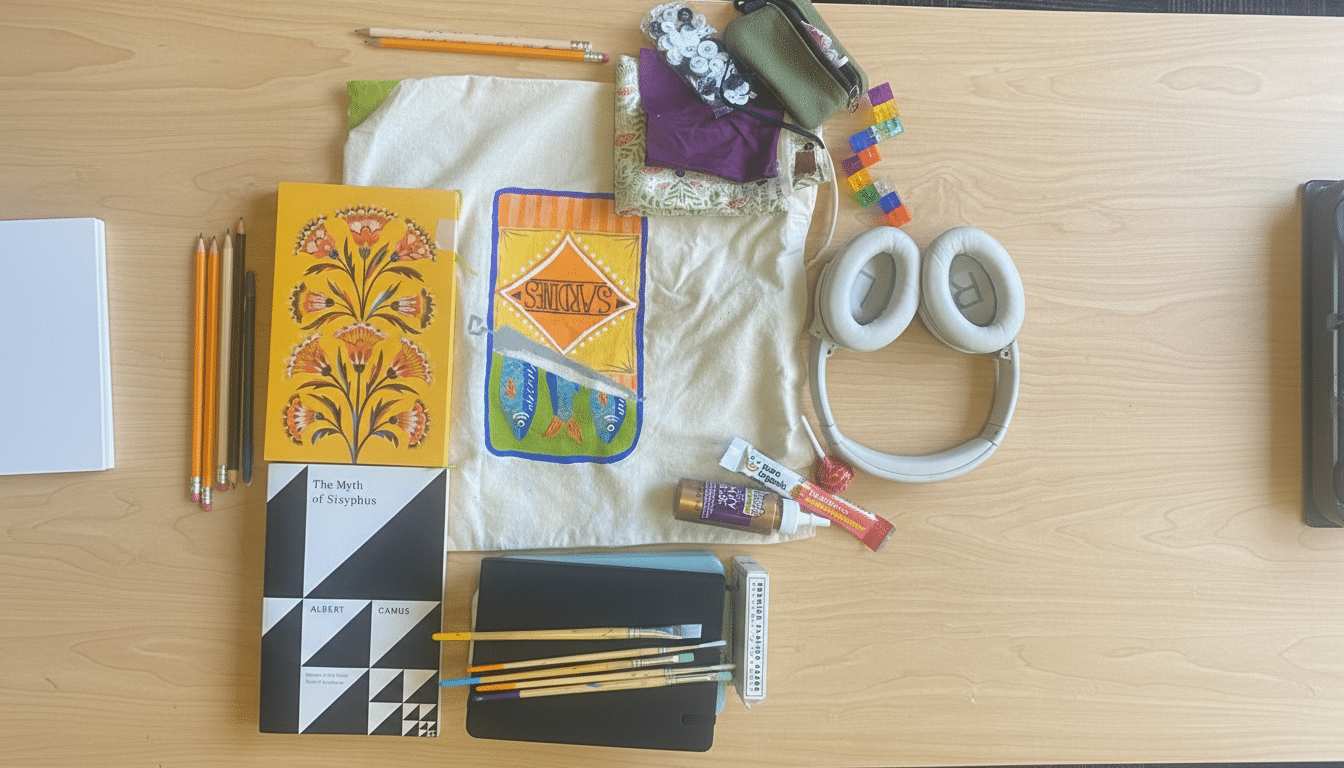
Below, seven expert-vetted activity books that make going analog feel less like deprivation and more like a daily ritual you’ll look forward to.
Why Analog Activities Work So Well Right Now
The American Psychological Association highlights that hands-on, absorbing tasks can support emotion regulation and stress reduction. Unlike endless feeds, paper activities end when the page ends—offering a satisfying sense of completion that nudges the brain into a “flow” state. Publishing analysts at Circana have also noted the resilience of the Games & Activities category in print, even as other segments wobble, underscoring a steady appetite for tactile downtime.
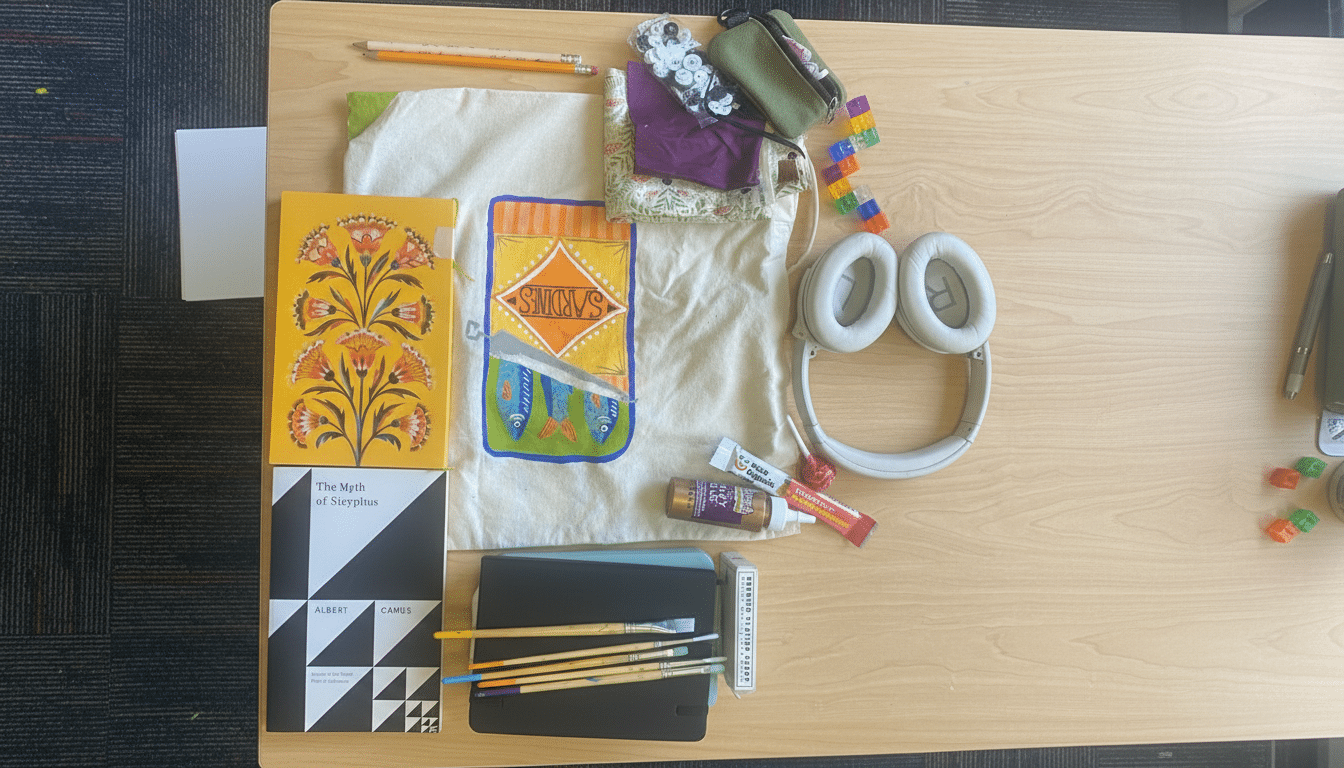
How We Chose These Seven Standout Activity Books
We prioritized variety (art, logic, wordplay), portability, paper quality (to reduce marker bleed-through), and difficulty that ramps without punishing beginners. We also favored titles with staying power—books that have built communities or inspired reprints—and selections from reputable creators and publishers.
Seven Standout Activity Books for 2026 Screen-Free Time
- “Rooms of Wonder” by Johanna Basford: The queen of adult coloring returns with intricate interiors and tucked-away flora that reward slow, meditative sessions. Basford’s heavy stock handles colored pencils and most fineliners well; alcohol markers can bleed, so slide a sheet beneath the page if you insist on them. Expect that familiar Basford magic where 10 minutes somehow turns into an hour.
- “Paint by Sticker Masterpieces” from Workman Publishing: For anyone who wants the satisfaction of finishing a frame-worthy image without picking up a brush, this number-coded sticker series is shockingly calming. Each perforated template turns into a crisp poster as you place geometric stickers. It’s mess-free, ideal for travel, and particularly great for winding down before bed when you want quiet focus.
- “Murdle” by G. T. Karber: A breakout bestseller for a reason, this series fuses cozy mystery with logic-grid rigor. Each case invites you to sift alibis, motives, and timelines to catch the culprit, with puzzles that escalate from gentle to devious. It scratches the same itch as a true-crime podcast—minus the screen—and the serialized world-building keeps you turning pages.
- “The New York Times Hardest Crosswords” edited by Will Shortz: When you’re ready to flex, this collection delivers knotty, clue-dense grids that demand patience and pattern recognition. The mix hones lateral thinking and vocabulary in equal measure, and the print format forces you to sit with blank squares—an underrated skill in an age of instant hints.
- “The GCHQ Puzzle Book” from Britain’s intelligence agency: Compiled by the UK’s Government Communications Headquarters, this book blends ciphers, lateral-thinking conundrums, and mathy brainteasers that invite group solving. It’s a brilliant pick for family tables or office puzzle clubs and offers a rare peek into the kinds of problems that train real analysts.
- “642 Things to Draw” by Chronicle Books: Prompts range from the poetic (“a cloud you’d like to nap on”) to the absurd (“a sandwich wearing sunglasses”). The genius is its low barrier to entry; your sketches can be stick figures and you’ll still feel the creative gears turning. Keep it on your desk to punctuate long work blocks with five-minute analog resets.
- “Mindfulness Sudoku” by Dr. Gareth Moore: Moore’s widely published sudoku series pairs graded difficulty with gentle guidance on pacing and focus. Because each grid has a clear endpoint, it’s ideal for a quick attention cleanse. Tip: switch from pen to erasable pencil to reduce “mistake anxiety” and keep the process meditative rather than competitive.
Make the Analog Habit Stick With Simple Daily Rituals
Set a daily analog window—say, the first 20 minutes after dinner—and keep your book and tools in a visible grab-and-go kit (pencils, a fine-point pen, a soft eraser, and a straightedge cover most needs). Library systems from Los Angeles to Toronto now host puzzle swaps and maker nights; joining one adds social accountability without screens.
The payoff is real: lower ambient stress, better sleep hygiene, and a small but meaningful reclaiming of attention. Pick one book, build the ritual, and let a single page at a time do what a thousand notifications never will—help you unwind with intent.
