


American Airlines is taking in-flight internet mainstream, unveiling a partnership with AT&T to offer free high-speed Wi-Fi on all flights throughout the year. (The rollout is gradual and expected to include almost the entire schedule by early spring, with access gated through the carrier’s AAdvantage loyalty program.)
How the Free Wi-Fi Will Operate on American Airlines Flights
Travelers will access the platform via aainflight.com and log in with an AAdvantage number and password. Joining AAdvantage is cost-free, and once you’re signed in, travelers are able to select the Free Wi-Fi option before going online. American says the service is powered by satellite and is high speed, tuned for browsing, email, social apps, and more—without paying a pass fee.
- How the Free Wi-Fi Will Operate on American Airlines Flights
- Why This Move Matters for Passengers and the Industry
- The Competitive Landscape Among Major U.S. Airlines
- Who Powers the Network and How the System Is Built
- A Loyalty Play With Real Upside for AAdvantage Members
- What Flyers Can Expect Next as Free Wi-Fi Rolls Out
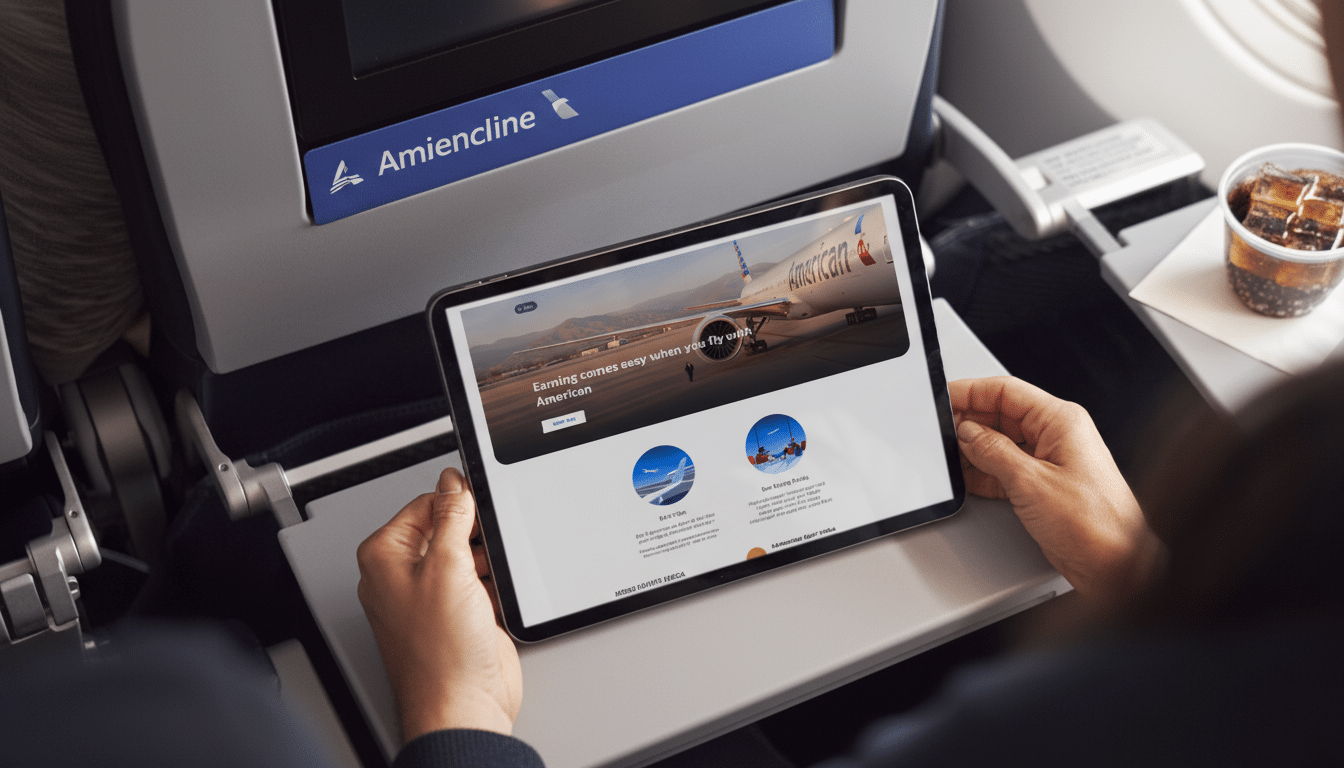
The airline has about 900 mainline aircraft with satellite connectivity and says it now operates more satellite Wi-Fi–outfitted planes than any other carrier. Installations will begin across this fleet first, with the free tier being enabled and additional aircraft gradually coming online as installations and software updates are completed.
Why This Move Matters for Passengers and the Industry
Attractive connectivity has moved from good-to-have to must-have. Strong onboard Wi-Fi impacts airline choice for a majority of passengers, and many expect access to be included in the fare, according to Viasat’s 2023 Passenger Experience survey. Free connectivity allows American to compete on a differentiator passengers can clearly see and feel, while reducing the friction of paywalls and one-off passes at 35,000 feet.
For business travelers, the selling point is simple: stay in motion with as few interruptions as possible. For families, it means getting to stream, message, and do schoolwork without frantically trying to find an offline download. Speeds and capacity may vary by aircraft and route, but high-throughput satellite systems can serve a full cabin with performance that often exceeds legacy ground-to-air networks.
The Competitive Landscape Among Major U.S. Airlines
American is among the growing list of U.S. airlines that have made Wi-Fi free for loyalty members or everyone onboard.
Delta provides free Wi-Fi for SkyMiles members on most mainline flights. JetBlue offers free Fly-Fi across its fleet, and Hawaiian is rolling out complimentary Wi-Fi with next-generation satellite service. United and Alaska have extended high-speed satellite coverage, as well as limited trial versions of sponsored access on certain routes.
Scale is the headline here. If American has the largest mainline fleet in the U.S., transitioning to free connectivity across “every flight” makes a perk more akin to becoming an unacknowledged de facto standard for tens of millions of annual passengers. And American is perennially one of the top carriers in terms of passengers, so a fleetwide change to “astral” (not that all its aircraft have been painted in it yet) is a pretty high-profile move.

Who Powers the Network and How the System Is Built
The program partner is AT&T, and the aircraft connectivity itself is powered by satellite systems that are already installed on American’s fleet. International flights operate on the same high-throughput satellite (HTS) solutions, including Ku and Ka, from industry suppliers like Viasat and Intelsat, with Ku-band and Ka-band antennas for gate-to-gate coverage in countries that allow it. AT&T is expected to subsidize costs and infuse the brand and loyalty benefits into the onboard experience.
Valour Consultancy, an industry analysis firm, has estimated that more than 12,000 commercial aircraft worldwide already offer in-flight connectivity, with upgrades gaining steam as new satellites come online and add capacity. Hardware and deployment traditionally set airlines back in the six figures per aircraft, making sponsorships and loyalty-based models an appealing means to scale free access without shortchanging network investment.
A Loyalty Play With Real Upside for AAdvantage Members
Here are two things that tying access to AAdvantage does: It makes the sign-in process easy for existing members, and it encourages non-members to enroll in order to use the service. That opens up more personalization and direct relationships—data that are increasingly becoming strategic for airlines. It also potentially introduces the possibility of ad-supported experiences or partner offers, something that has helped other carriers defray the cost of offering free Wi-Fi without increasing ticket prices.
What Flyers Can Expect Next as Free Wi-Fi Rolls Out
As more and more aircraft flip to the free tier, flyers should start to see the option automatically appear on the portal after they log in with their AAdvantage account.
Performance will still be subject to the vagaries of route, satellite coverage, and passenger load, but American’s baseline expectation is always-on access across its network. If anything in American Airlines’ early-spring timeline plays out, free Wi-Fi may soon be commonplace across the airline’s mainline and regional operations.
Bottom line: The days of paying to get online in the sky are numbered.
Partnered with AT&T, and already in possession of a giant fleet with satellite capability at its fingertips, American seems ready to bring connectivity down from the luxury pedestal it has long occupied—and that’s good news for productivity, entertainment, and loyalty alike.
