


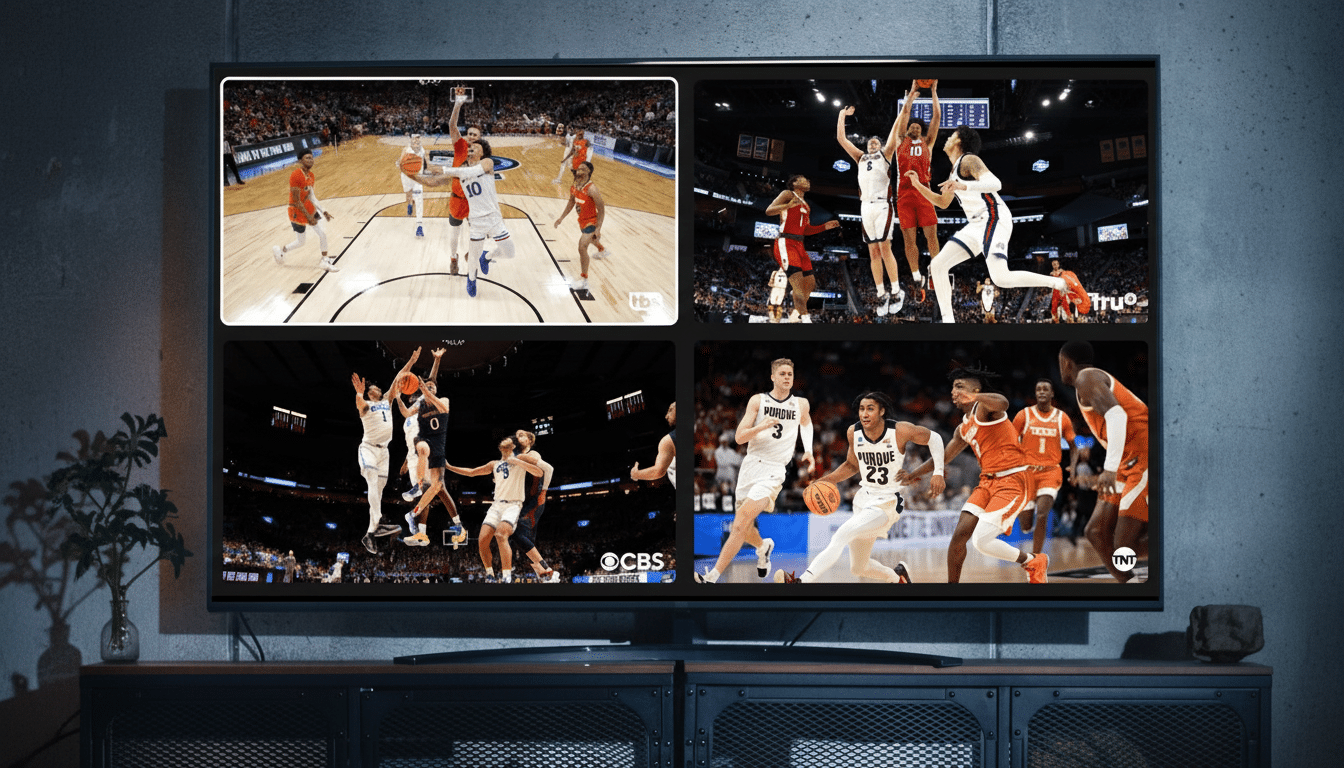
Amazon just redefined what multiviewing is on the big screen — and it’s a direct shot at YouTube TV’s years-long lead in watching live sports. The face of Prime Video’s multiview initiative, which is kicking off with NBA coverage, features one primary game taking up a larger pane and three secondary games appearing stacked to the left or right. It seems obvious, but the hierarchy-driven layout solves the main problem sports fans have had with 4-up equal grids.
Instead of cramming four broadcasts into equal boxes and making viewers squint at the one that matters most, Amazon’s design recognizes actual behavior: we focus on a main game and graze the rest. The end result is a more relaxed way to binge live sports without losing situational awareness or getting fatigued.
Why This Multiview Layout Matters for Sports Fans
Sports are not spreadsheets. Attention isn’t uniform, and a universalizing grid makes the play you care about seem small. There are countless eye-tracking studies that consistently demonstrate viewers focus on one dominant location, not four equivalent areas. Amazon’s layout is designed to capitalize on that reality.
It also respects living-room screens. On a 65-inch TV, a main panel that’s more like half the screen allows key action, player faces, and text overlays to remain legible. This is especially valuable for basketball because possessions flip in seconds and score bugs and shot clocks matter. You maintain peripheral awareness of three other games without sacrificing the game you actually want to see.
There’s also a backdrop of why Amazon can comfortably do this. Prime Video’s Thursday Night Football averaged about 11.9 million viewers in its most recent full season, according to Nielsen, and has provided advanced on-screen analytics as part of its Prime Vision presentation. That experience has obviously informed this cleaner, hierarchy-first multiview.
How Prime Video’s Sports Multiview Experience Works
Amazon’s demo had a couple of smart touches: the big pane gets priority sound, and you can press your remote to promote any secondary game to the main view. The smaller panes remain live, so you don’t miss a run or a clutch three when shifting the focus.
Expect plenty of the Prime Video touches we’re used to, piled on top. The company has a history of using X-Ray data and overlaying it atop live sports, which is to say that adding quick stats, foul trouble, or shot charts into the main pane would be in line with that playbook without taking over the entire screen. Beneath the surface, beyond the bells and whistles, are the tech essentials: equivalent latency across feeds and frame-timed switching — fronts on which Amazon has polished its prowess while streaming massive NFL projects.
Where YouTube TV’s Multiview Experience Comes Up Short
YouTube TV made multiview a mainstream sports streaming feature and has iterated with broader device support and, more recently, some personalization beyond just adding your favorite teams. But on balance, the default equal-quadrant setup still stifles the game that matters most, and users have for years been petitioning for more control over tile sizes and where audio gets routed.
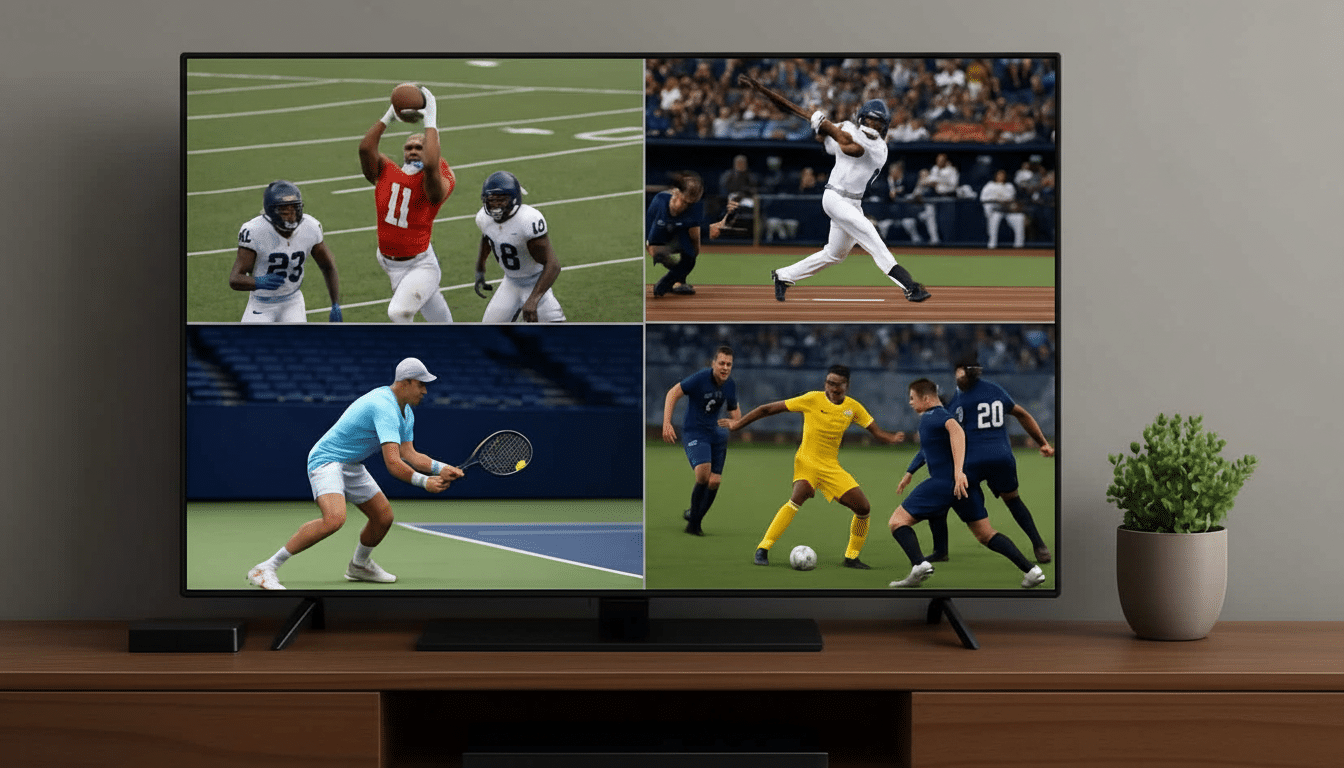
There are other friction points. The cons: viewers consistently cite lower picture quality with multiview versus single-game streams, and customization is restricted to predefined combos for most events. For a service that reportedly exceeded 8 million subscribers, according to company disclosures, the compromises feel outdated in an age of NFL Sundays, marquee college slates, and crowded NBA nights.
None of this erases the strengths of YouTube TV: a strong cloud DVR and lots of rights. But Amazon has displayed a user interface enhancement that requires neither a new rights deal nor a pricing tier. It’s simply better design.
The Stakes for Sports Streamers in the Multiview Era
Multiview isn’t a gimmick; it’s the hook to keep people around. As leagues divvy up rights among streamers, the platform that makes multitasking of concurrent games simpler wins more watch time and, in turn, more valuable ad inventory. Research firms such as MoffettNathanson and Antenna have consistently linked sports to reduced churn and increased engagement in streaming bundles. That’s where a savvy multiview is a stealthy edge in the battle.
And Amazon’s current NBA deal provides a ready-made proving ground. If Prime Video can couple an improved layout with its already low-latency delivery and add-on analytics, it establishes a new baseline that other providers would be hard-pressed to match across football, basketball, soccer, and more.
What Needs to Happen Next for Multiview on Streaming
For Amazon, the path forward is clear: enable dynamic layouts beyond 1+3, retain 4K resolution for the main pane whenever the content permits it, add fast navigation highlights to secondary tiles, and provide power users with manual audio/caption routing. By default, keep it simple; for diehards, go deep.
YouTube TV, easy requests: provide a dominant main-pane layout option, bring real custom layouts to more devices, and improve multiview picture quality. None of that necessitates a rethink of the service — just an understanding of how fans actually watch.
In the multiview race, Amazon not only laid down another tile. It redesigned the experience for humans to pay attention. That’s the win that matters.
