


Every configuration of Valve’s Steam Deck is currently listed as out of stock on the official US Steam storefront, leaving would-be buyers with no path to purchase new units. The previously discontinued LCD model remains unavailable, and both the 512GB and 1TB OLED variants show sold-out badges with no estimated restock window.
Valve has not issued a statement about the outage, and the storefront does not provide alerts or timelines. Community trackers and coverage from outlets that monitor retail inventory indicate similar constraints in select other regions, suggesting a broader supply issue rather than a localized hiccup.
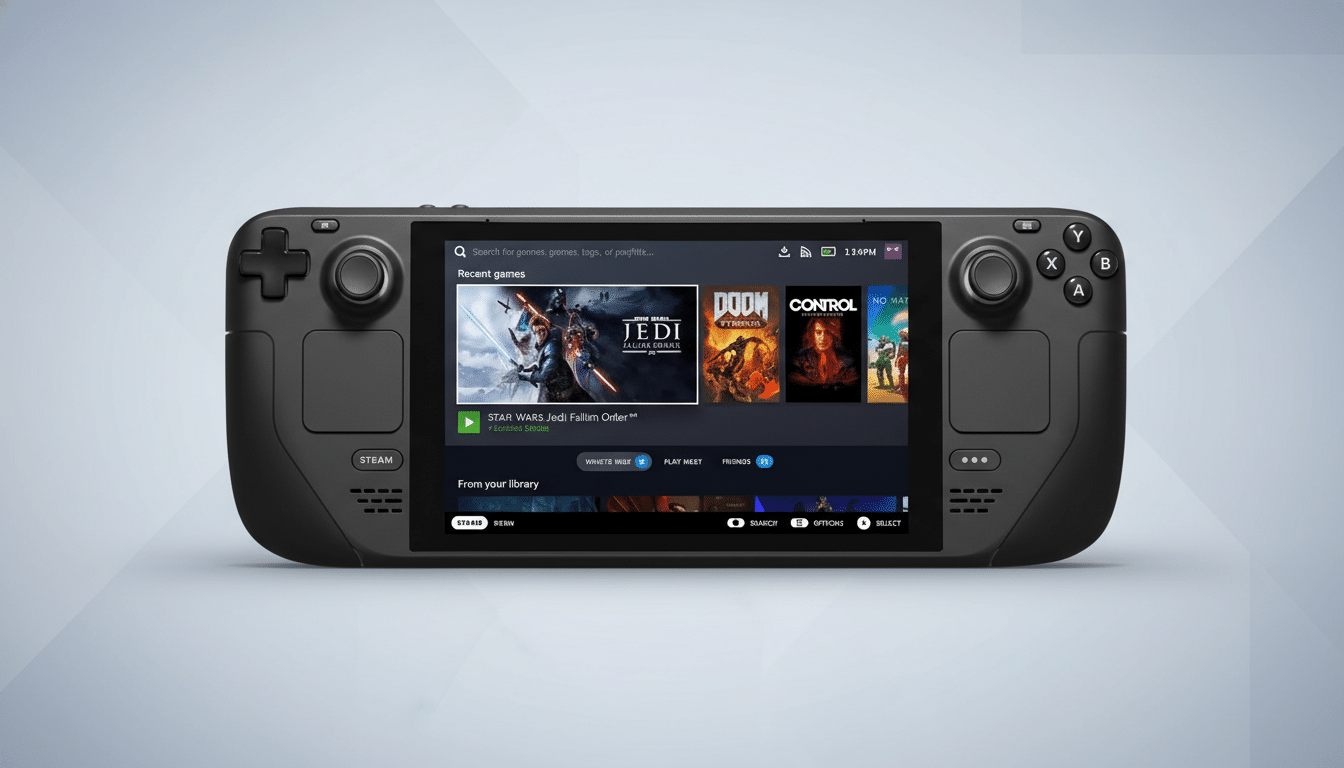
Why the Steam Deck Suddenly Vanished from Stores
The most plausible culprit is the memory market. Over the past year, DRAM and NAND flash prices have moved sharply higher amid a production pivot toward AI and data center demand. Industry analysts at TrendForce and IDC have documented double-digit increases in contract prices across multiple quarters, as suppliers prioritize high-margin enterprise products and high-bandwidth memory lines. Handheld PCs like the Steam Deck rely on LPDDR and fast NVMe storage, both of which feel the pinch when costs spike and fabs run at capacity.
That dynamic has real downstream effects. When memory gets pricier and harder to source, companies often either raise retail prices, delay shipments, or temporarily pause orders to renegotiate supply. We have seen similar patterns before, from the GPU shortages early last hardware cycle to flash storage swings that delayed laptop configurations. None of this confirms a Deck price change, but it helps explain why inventory can evaporate across all SKUs at once.
A second theory making the rounds: resource reallocation. In November, Valve said it is developing new hardware, including a console-like prebuilt gaming PC, a new VR headset, and an updated controller. If any of those products share key components with the Deck—or if contract manufacturers are shifting lines—temporary supply pressure would make sense. To be clear, Valve has not tied the Deck’s availability to its upcoming devices, so this remains informed speculation rather than established fact.
A Price Hike or a Refresh: What Might Happen Next
Fans worry the sellout could precede an MSRP adjustment. Companies sometimes pull SKUs offline before repricing during volatile component cycles, and rising memory costs give that concern some weight. Counterpoint: Valve has built goodwill by keeping Steam Deck pricing aggressive, offering occasional discounts, and introducing the OLED model with meaningful upgrades without a runaway premium. Any change is more likely to be modest than dramatic.
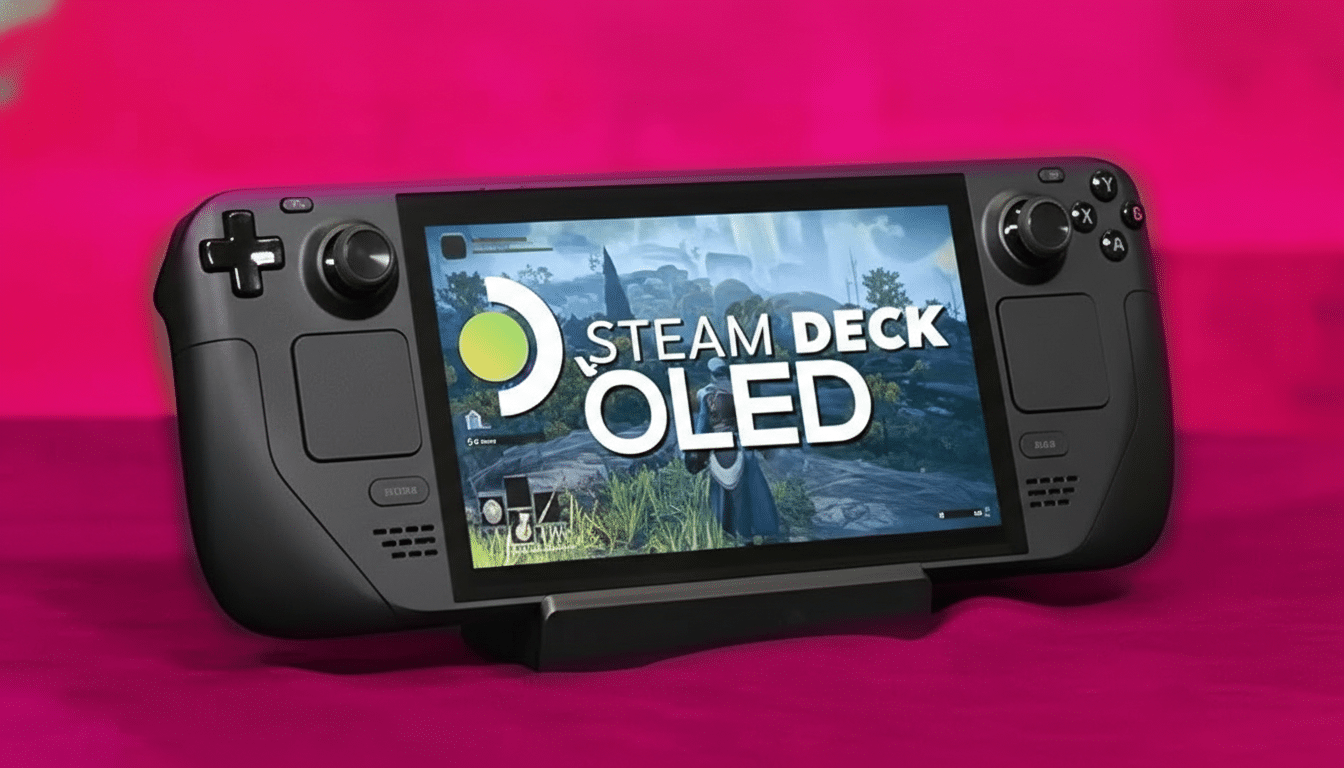
As for a new model, expectations should be tempered. Valve executives have previously indicated that a true next-generation Deck—meaning a sizable performance leap—would wait for a step-change in efficiency and silicon. That suggests the timing for a major refresh is not imminent. If anything does arrive in the near term, think incremental adjustments, bundles, or storage tweaks rather than a wholesale platform shift.
What It Means for US Buyers Waiting to Purchase
If you are trying to buy today, options are limited. The Certified Refurbished program on Steam often restocks separately from new inventory and has been known to sell out within hours—worth checking frequently. Some brick-and-mortar retailers, such as specialty electronics chains, sporadically receive units, but availability varies by location and is rarely posted online in advance.
Secondary markets will fill the gap, typically with markups. If you go that route, weigh warranty transfer policies, battery health, and return protections. Alternatively, Windows-based handhelds like the ASUS ROG Ally series, Lenovo Legion Go, and MSI Claw provide stopgap options. They offer robust performance but trade the frictionless SteamOS experience for Windows overhead and different battery life characteristics.
The Bigger Picture for Handheld Gaming and Supply
The sellout underscores how central the Steam Deck has become to the handheld PC category. While Valve does not share sales totals, industry estimates point to a multi-million-unit installed base since launch, enough to make the device a primary target for developers optimizing PC games for portable play. Even if short-term supply tightens, that footprint and continued updates to Proton and graphics drivers keep the platform’s momentum intact.
Bottom line: Every Steam Deck model going out of stock in the US appears to be a real, system-wide shortage, not a fleeting storefront bug. The likeliest drivers are memory market pressure and internal product planning—factors that often resolve on their own timelines. Keep an eye on refurbished listings and official channels for restock signals, and be prepared for the possibility of small price adjustments if component costs remain elevated.
