


I disassembled the new AirTag 2 and uncovered a problem Apple should treat as urgent. With a single plastic spudger and no heat or solvents, I was able to open the tag, silence its speaker, reassemble it cleanly, and watch it come back online—now mute. From unboxing to a functioning but silent tracker took roughly two minutes.
Teardown Finding The Speaker Is Still A Soft Target
The AirTag 2’s shell yields surprisingly easily. Adhesive is present but not formidable, and the internal layout leaves the speaker contacts accessible enough that defeating the chirp doesn’t require specialized gear or advanced skills. I will not share step-by-step instructions, but the reality is stark: basic prying is enough to reach the component that enforces the device’s audible safety cues.
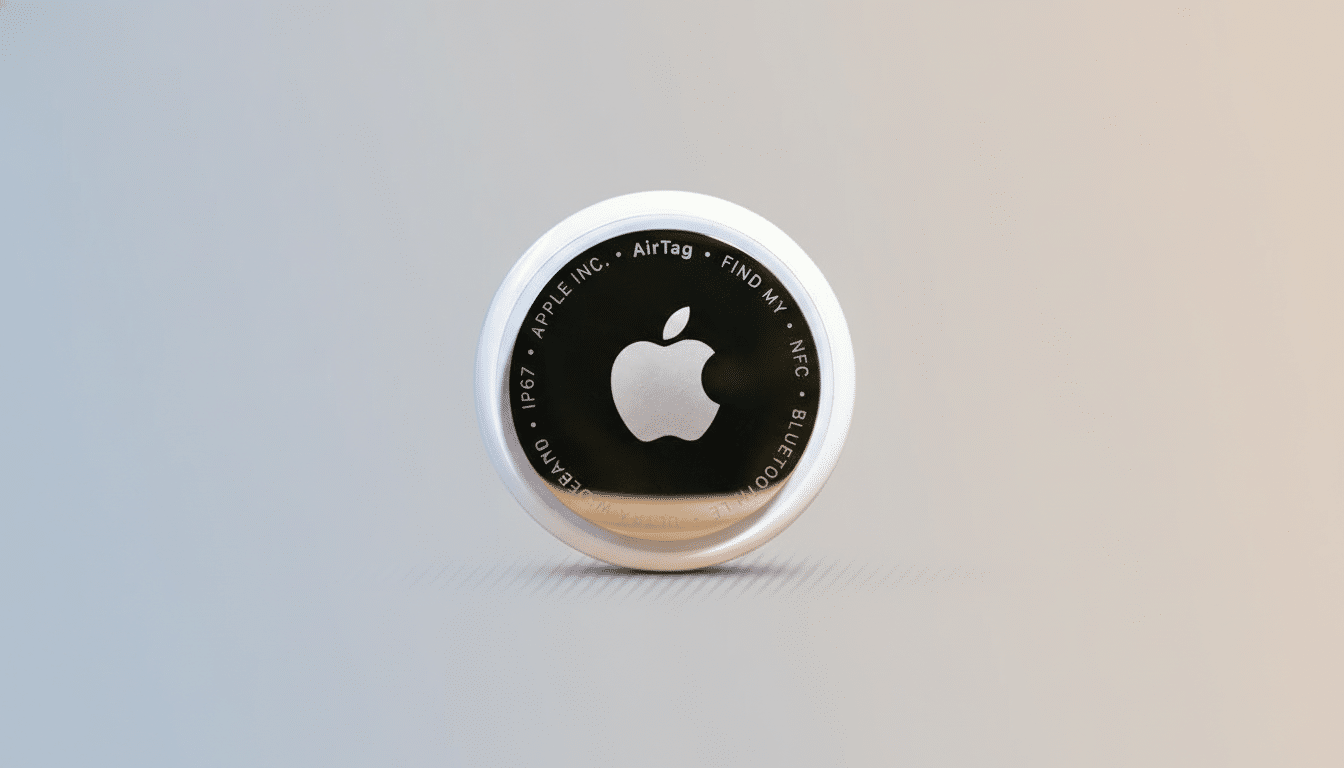
Equally concerning, the tag snapped back together without visible damage and paired normally. The result is indistinguishable from a stock unit until you realize it never makes a sound. For anyone seeking to avoid Apple’s audible anti-stalking safeguard, this is a low-friction path.
Why A Muted AirTag Raises Serious Safety Risks
Apple designed AirTags to chirp when they’ve been separated from their owner and appear to be traveling with someone else. That audible alert is a frontline defense—especially for people who may miss or never receive phone notifications. Disabling the speaker undermines that layer entirely.
Apple and Google jointly shipped a cross-platform standard for unwanted tracker alerts that now notifies iPhone and Android users when a Bluetooth tag may be moving with them. It’s a major step forward, but it still assumes software warnings are seen and trusted. Advocates including the Electronic Frontier Foundation and the National Network to End Domestic Violence have warned that physical countermeasures, like a working speaker, remain critical in real-world situations.
Law enforcement and news reports over the last few years have documented cases where trackers were used to follow people or target vehicles. While the vast majority of AirTags are used legitimately to find keys, bags, and luggage, even a small fraction of misuse is serious. A silenced unit lowers the barrier to abuse.
Possible Fixes Apple Can Ship To Deter Speaker Tampering
Apple could harden the AirTag 2 on multiple fronts. On the hardware side, more aggressive potting of the speaker contacts, tamper-evident seals, and a housing that shears or deforms when forced open would raise the skill and cost required to modify a unit. Relocating or encapsulating the speaker connection behind a shielded enclosure would further deter casual tampering.

On the firmware side, AirTag could periodically self-test the speaker by monitoring driver current and flag open-circuit behavior. If a chirp is commanded and no expected load is detected, the tag could enter a restricted mode—refusing to pair, limiting network participation, or broadcasting a silent “tamper” flag that triggers elevated alerts on nearby iPhones and Android devices. This won’t stop a determined attacker with electronics knowledge, but it would shut down the quick, no-tools-needed modification most people would attempt.
Apple also has room to adjust the ecosystem response. The Find My network spans well over a billion active Apple devices, and Apple has previously said the network leverages hundreds of millions of them for anonymous location pings. If the platform can detect a likely muted tag, software could escalate warnings sooner and prompt bystanders’ devices to surface clearer alerts, making stealth usage riskier.
The Bigger Picture For The Find My Network
It’s worth remembering why AirTags are so effective: the network density is extraordinary, and the coin-cell battery lasts months. That same ubiquity demands stronger abuse prevention. Apple and Google’s cross-platform alerts, along with safety guides from organizations like the National Network to End Domestic Violence, are meaningful progress. But hardware that resists casual tampering is the necessary complement to software safeguards.
Competitors are watching, too. Tile, Chipolo, and other tracker makers have integrated unwanted-tracking alerts and tuned their hardware designs in response to researcher feedback. If Apple closes this gap quickly—via a firmware update that detects speaker failures and a tougher next hardware revision—it can set the bar for the industry.
Bottom Line: AirTag 2’s Speaker Vulnerability Needs Action
AirTag 2 remains too easy to silence with basic tools, and the device still works normally afterward—just without the chirp that helps keep people safe. This is fixable. Apple can push a firmware check for speaker integrity now and harden the hardware in the next build cycle. Until then, users should enable unwanted-tracker alerts on their phones, review Apple’s safety guidance, and contact local authorities if they discover an unknown tracker traveling with them.
