


Apple’s second-generation AirTag arrives with promises of sharper tracking and a louder chirp, yet the headline question remains tougher than it looks: does it clearly beat the original? After side-by-side testing and digging into real-world use, the answer depends less on the tag itself and more on the device you pair it with and how you actually lose things.
Performance and Precision Finding in Real-World Testing
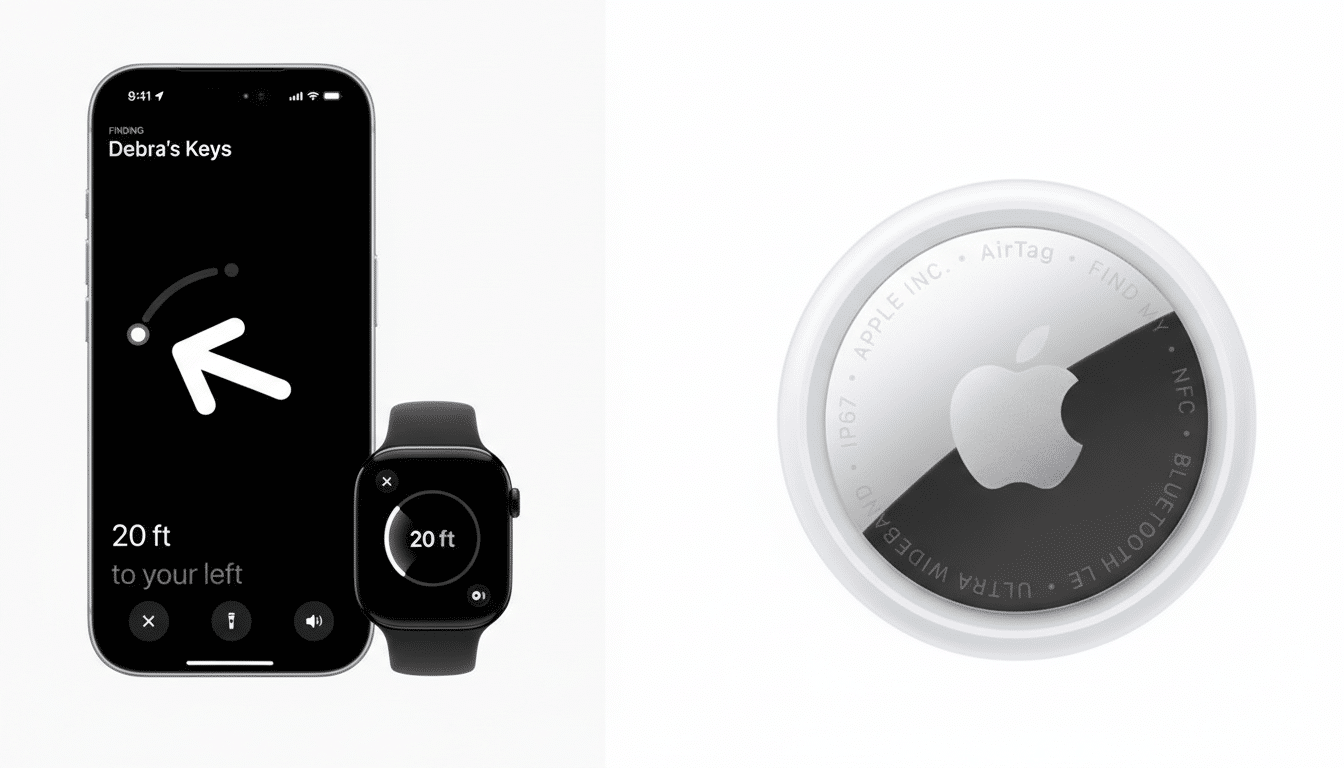
The most meaningful update is Precision Finding. With AirTag 2, the second-generation ultra-wideband chip pairs with newer iPhones to guide you from farther away and with steadier on-screen direction. In repeated tests, an iPhone 15 consistently locked onto AirTag 2’s exact location at roughly 27 feet, where an original AirTag connected at around 18 feet under the same conditions. That extra cushion often means you get directional arrows sooner, especially indoors where walls and furniture muddy Bluetooth signals.
- Performance and Precision Finding in Real-World Testing
- Louder Alerts That Matter in Everyday Searches
- Design, Battery, and Durability Unchanged
- The Network Is Still the Star for Recoveries
- Price and value reality check for both AirTags
- Who should upgrade now, and who should wait to buy
- The nuanced verdict on AirTag 2 versus AirTag 1
There’s a catch: that improved range is optimized for iPhone 15 or later. If you’re on an iPhone 14 or older, AirTag 2 doesn’t change the Precision Finding experience in a way you’ll feel day to day. The advantage is similarly notable on Apple Watch Series 9 and Ultra 2, which now support Precision Finding with AirTag 2 — handy when your phone is buried in a coat or gym bag.
Louder Alerts That Matter in Everyday Searches
Apple also turned up the speaker. In practical terms, AirTag 2 is easier to hear through a closed backpack or from across a quiet room. During a “couch-cushion” test, AirTag 2’s tone cut through ambient TV noise where AirTag 1 was faint. It’s not a night-and-day blare, but it shortens the search when sound, not on-screen arrows, is your best clue.
Design, Battery, and Durability Unchanged
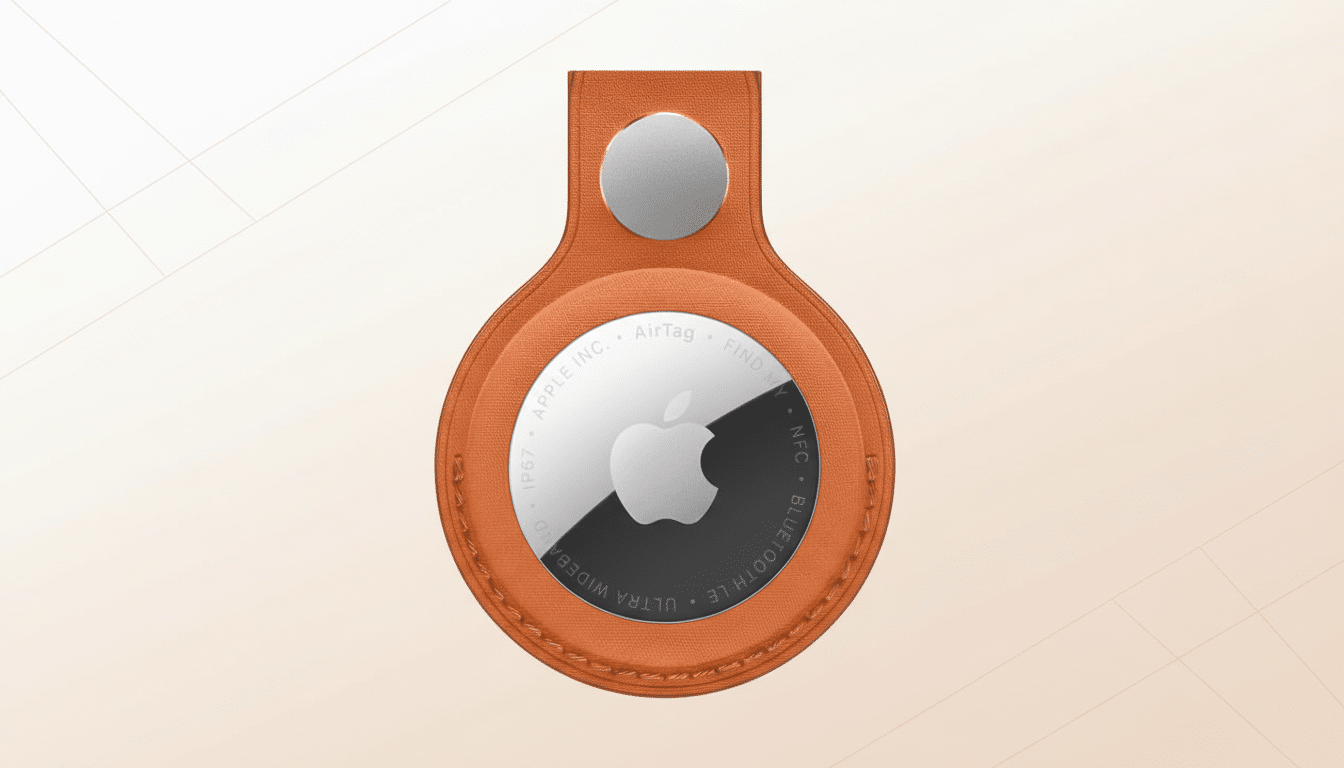
Physically, almost nothing changed. There’s no built-in loop or new form factor, so key rings, wallets, and pet collars still require accessories. Battery life remains rated for roughly a year on a user-replaceable CR2032 cell, and water resistance is unchanged, so existing use cases transfer cleanly from AirTag 1 to 2.
The Network Is Still the Star for Recoveries
Both generations tap Apple’s Find My network, which rides on the vast mesh of active Apple devices. Apple has reported over 2 billion active devices globally, and that scale is what makes a tiny tracker useful when something slips beyond Bluetooth range. In practice, lost-luggage pings and bike recoveries rely more on this network density than on minor hardware tweaks, meaning an original AirTag stays surprisingly competitive for real-world recoveries.
Price and value reality check for both AirTags
MSRP hasn’t budged: AirTag 2 is $29 each or $99 for a four-pack. The plot twist comes from street pricing. With AirTag 1 frequently dipping to $25 for a single tag or $70 for a four-pack, the older model undercuts AirTag 2 by as much as 29% in multipacks. For families tagging keys, backpacks, and luggage, that savings scales quickly.
Who should upgrade now, and who should wait to buy
If you carry an iPhone 15 or newer or an Apple Watch Series 9/Ultra 2, AirTag 2’s longer Precision Finding range and louder tone make it the better buy going forward. The experience is cleaner, quicker, and more future-proof, particularly if you frequently hunt for gear indoors or in dense environments.
If you’re on an older iPhone, AirTag 1 remains an excellent value while inventory lasts. You still get the same Find My network coverage, the same general size and battery life, and Precision Finding that’s every bit as capable as your phone can support. For outfitting multiple bags or sharing trackers with family members on mixed devices, the first-gen four-pack discounts are hard to ignore.
The nuanced verdict on AirTag 2 versus AirTag 1
AirTag 2 is the right choice for the newest Apple hardware, but it’s not a slam-dunk winner for everyone. The network advantage that makes AirTags so effective doesn’t change between generations, and the design still requires accessories. Unless you need the longer Precision Finding range or the louder speaker right now, discounted AirTag 1 units deliver most of the experience for less. The true winner depends on the phone in your pocket — and how often you actually lose things.
