


An ultra-polished AI concept video claiming Apple will abandon USB-C on the iPhone 18 is racing across TikTok, igniting speculation and frustration in the comments. Despite the convincing visuals, there is no credible evidence Apple plans to reverse course—and strong regulatory and practical reasons why it won’t.
Viral clip sparks backlash over rumored USB-C removal
The clip, first flagged by NewsGuard’s Reality Check newsletter, shows an iPhone with a magnetic charging connector in place of a USB-C port. Posted by the account @AppleLuxs, it amassed more than 16.8 million views and roughly 760,000 likes. Reposts repeating the claim added millions more views, while one share on X registered over 5.2 million impressions—ample reach to convince many viewers the change was real.
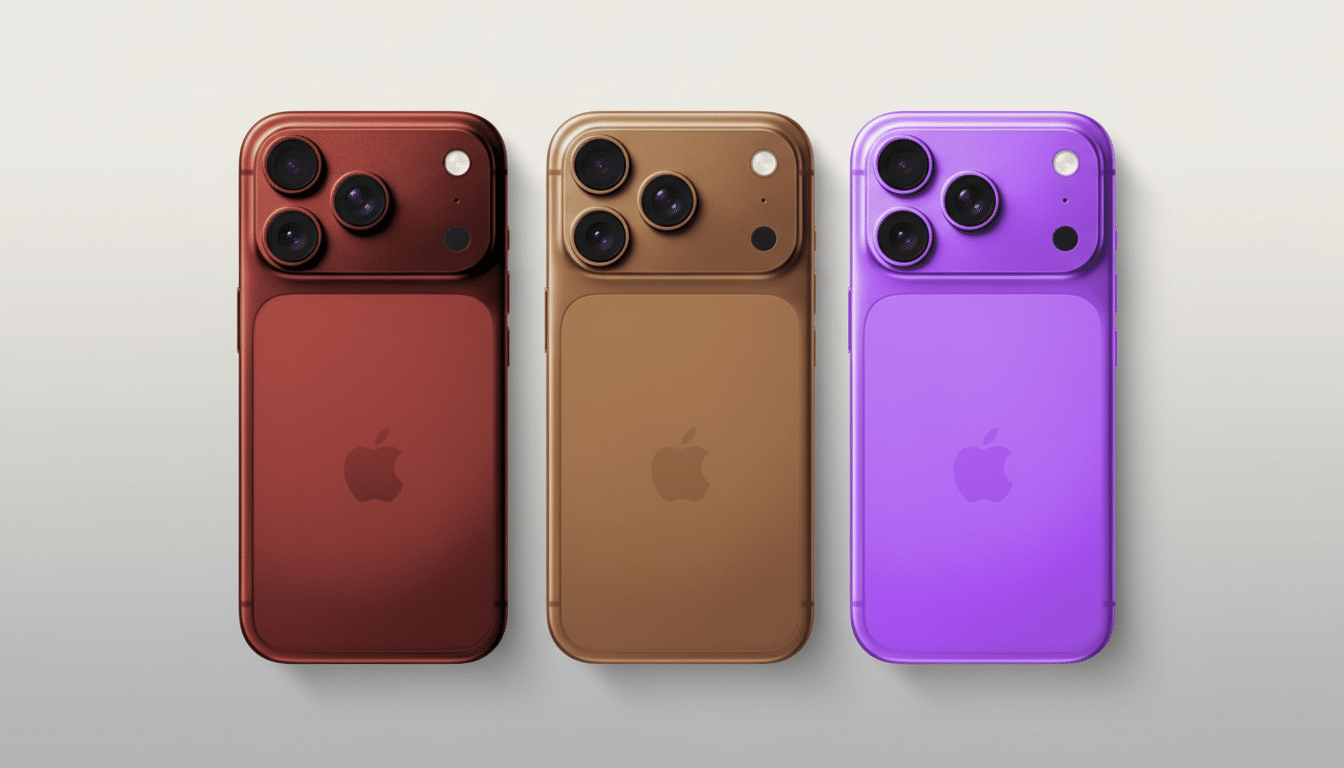
Comments across platforms accused Apple of engineering a cash grab by introducing a proprietary connector right after users bought into USB-C. That narrative taps into long memories of the Lightning era, but it overlooks the powerful market and legal forces that locked USB-C into Apple’s current roadmap.
What The Video Shows And Why It’s Misleading
The render depicts a MacBook-style magnetic charging port—commonly associated with MagSafe on laptops—inserted into an iPhone frame. It looks plausible, but the design doesn’t square with Apple’s current mobile hardware philosophy. iPhones already use “MagSafe” as a magnetic alignment system for wireless charging coils, not as a physical charging port.
Reintroducing a bespoke, mechanical connector would complicate water resistance, increase manufacturing complexity, and fragment accessories again. By contrast, USB-C unifies power and data across iPhone, iPad, and Mac, simplifying logistics and peripheral support. The iPhone 15 Pro’s USB 3 support enables up to 10Gbps transfers for pro workflows, while base models still hit standard USB 2 speeds—another reason a switch to a proprietary port would be a functional downgrade for creators.
USB-C is cemented by law and Apple’s broader ecosystem
In the European Union, the common charger law (Directive 2022/2380) mandates USB-C on smartphones. Apple has already complied with iPhone 15. A sudden pivot away from USB-C on a future iPhone would either violate the rule or force Apple to produce region-specific hardware—an expensive, confusing path that would anger consumers and carriers alike.
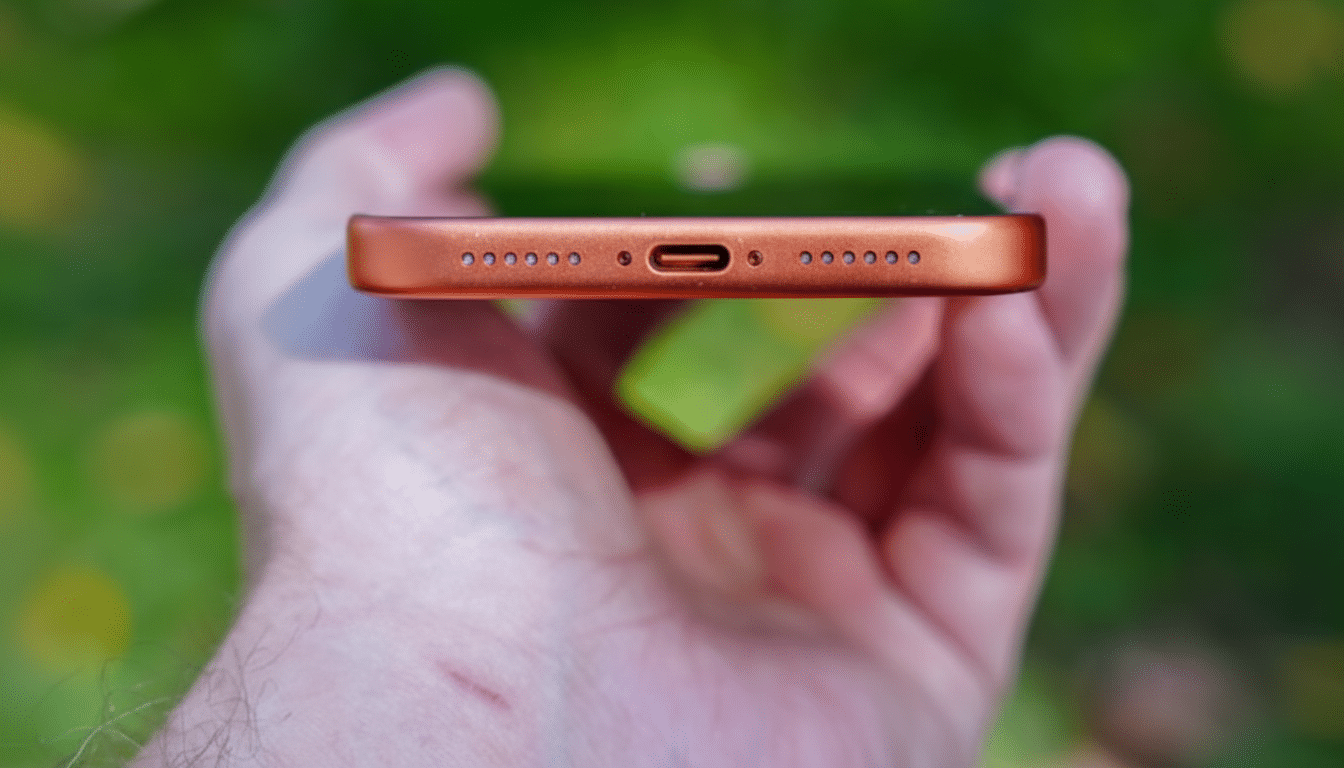
The European Commission has said the common charger policy could save consumers roughly €250 million annually and reduce e-waste by about 11,000 tonnes each year. Apple also has a commercial incentive to stick with USB-C: its accessory and developer ecosystems are now aligned around a single, standards-based connector used by iPads, Macs, and third-party gear.
Why AI Tech “Announcements” Keep Spreading
Rapid advances in generative video tools mean a single creator can produce photorealistic “leaks” with studio-grade edits and persuasive voiceovers. On algorithmic feeds, engagement can outrun verification. Platforms have introduced labels for AI-generated media—TikTok, for example, requires creators to disclose realistic AI content and is rolling out provenance signals through the Content Credentials standard—but enforcement and user literacy lag behind the pace of creation.
Practical checks help cut through the noise: look for corroboration from reputable journalists or analysts with reliable track records, such as supply chain specialists or reporters at established outlets; scan Apple’s newsroom for official announcements; and scrutinize renders for inconsistencies in port geometry, camera cutouts, or UI details. If a sensational hardware shift appears only in a single TikTok and nowhere else, skepticism is warranted.
What Credible iPhone 18 Rumors Actually Say
So far, reporting around the next iPhone cycle centers on iterative design rather than sweeping hardware pivots. Display refinements—like tweaks to the camera cutout—have been floated by familiar leaker accounts, but nothing substantive points to abandoning USB-C. Apple has made no official statements indicating a port change, and the industry direction remains toward standard connectors plus faster wireless charging via Qi2, the Wireless Power Consortium standard Apple helped shape.
The bottom line: the viral video is a concept, not a plan. Given regulatory requirements, the entrenched USB-C accessory base, and Apple’s own pro workflow messaging, a return to a proprietary charging port on iPhone 18 would be a self-inflicted wound. Until multiple trusted sources line up—or Apple says so—treat magnetic-port iPhone clips as entertainment, not evidence.
