


Artificial intelligence just glided onto one of sport’s most human stages, with a Czech ice dance duo competing to AI-generated music and igniting a fierce debate about creativity, provenance, and fairness. The team posted a 72.09, safely outside medal contention, but the soundtrack choice drew more heat than the scorecard, challenging how far algorithmic composition belongs in a discipline built on musical interpretation and storytelling.
Viewers bristled at the juxtaposition: a program shaped by years of coaching and choreography, underscored by a track that many felt sounded like a machine’s imitation of arena rock. Even a barnstorming back half to AC/DC’s Thunderstruck couldn’t drown out the criticism that followed.
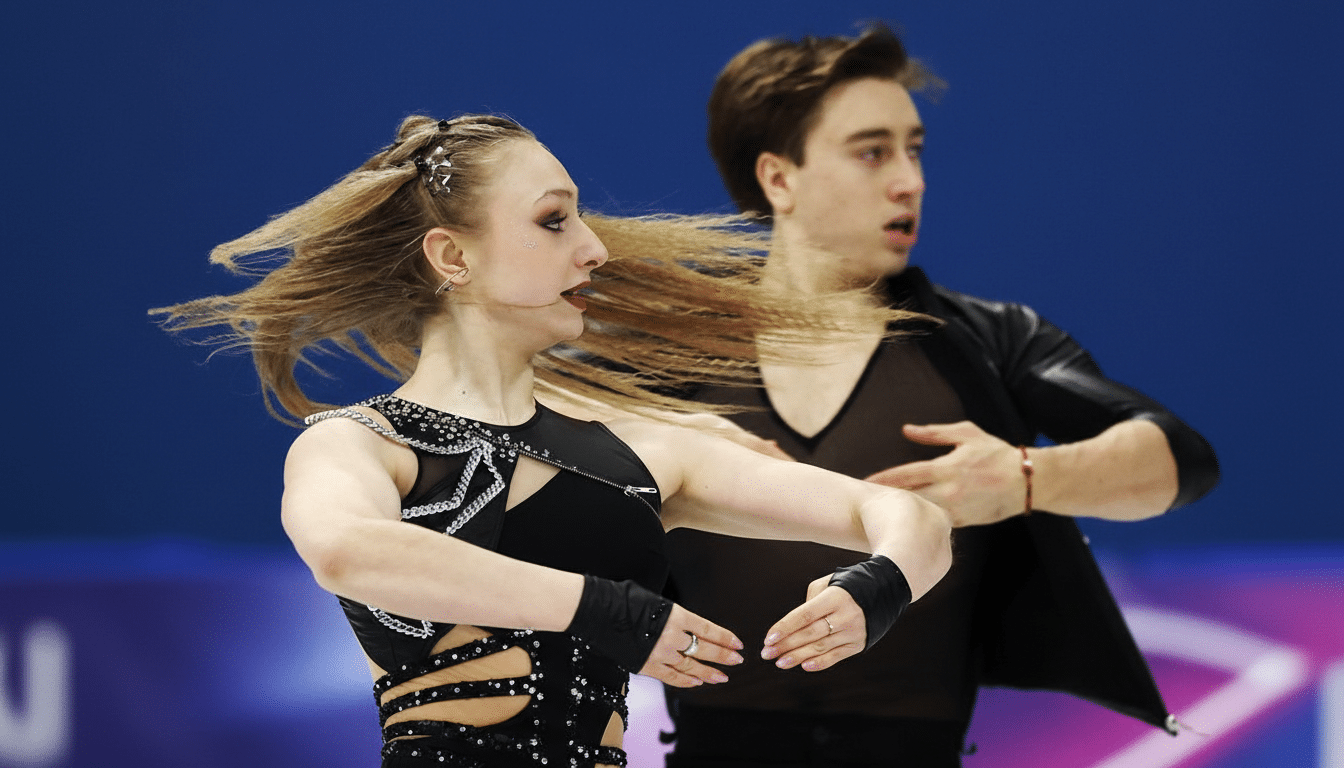
Inside the Czech Ice Dance Routine and Song Choices
In the lead-up, the pair had already drawn scrutiny for practicing to an AI-made track widely compared to the New Radicals’ You Get What You Give, a similarity documented by independent reporting. For the Olympic start, they dropped that piece but stuck with AI, opening instead with a new song whose lyrics and structure listeners said closely mirrored Bon Jovi’s Raise Your Hands.
The second half pivoted to a certified crowd-pleaser: Thunderstruck, a human-written rock classic with clear rights ownership and instant recognizability. Judges, however, evaluate more than hype. Ice dance is scored on both technical execution and program components—skating skills, composition, and interpretation of the music among them—so a polarizing soundtrack can undercut the overall effect even if no explicit deduction appears on the sheet.
The 72.09 placed the duo mid-pack. There’s no evidence the panel directly penalized the AI origin, but the mixed reception underscored a reality competitors understand well: music choice can lift or limit a program’s ceiling.
Why the Rulebook Hasn’t Caught Up With AI-Made Music
Under International Skating Union rules, athletes can perform to virtually any genre, with vocals permitted across disciplines since the 2014–2015 season. Teams are responsible for ensuring music rights are cleared. AI muddies that chain of custody: who owns an output born from a model trained on vast catalogs, and what counts as a “soundalike” versus an infringing derivative?
Policy bodies are signaling caution. The World Intellectual Property Organization has flagged uncertainty around training-data consent and attribution. The U.S. Copyright Office has stated that works generated solely by AI lack copyright protection, complicating licenses and enforcement. Music publishers and labels, through groups such as IFPI and national associations, have warned against unlicensed voice cloning and composition tools that spit out near-copies of hits.
Event organizers typically require declarations confirming music clearances for broadcast. With AI tracks, provenance audits get harder: a file can be “original” in the metadata and still lean heavily on the contours of familiar songs. Without transparent training disclosures or watermarks, adjudicating complaints becomes a race against the playback.
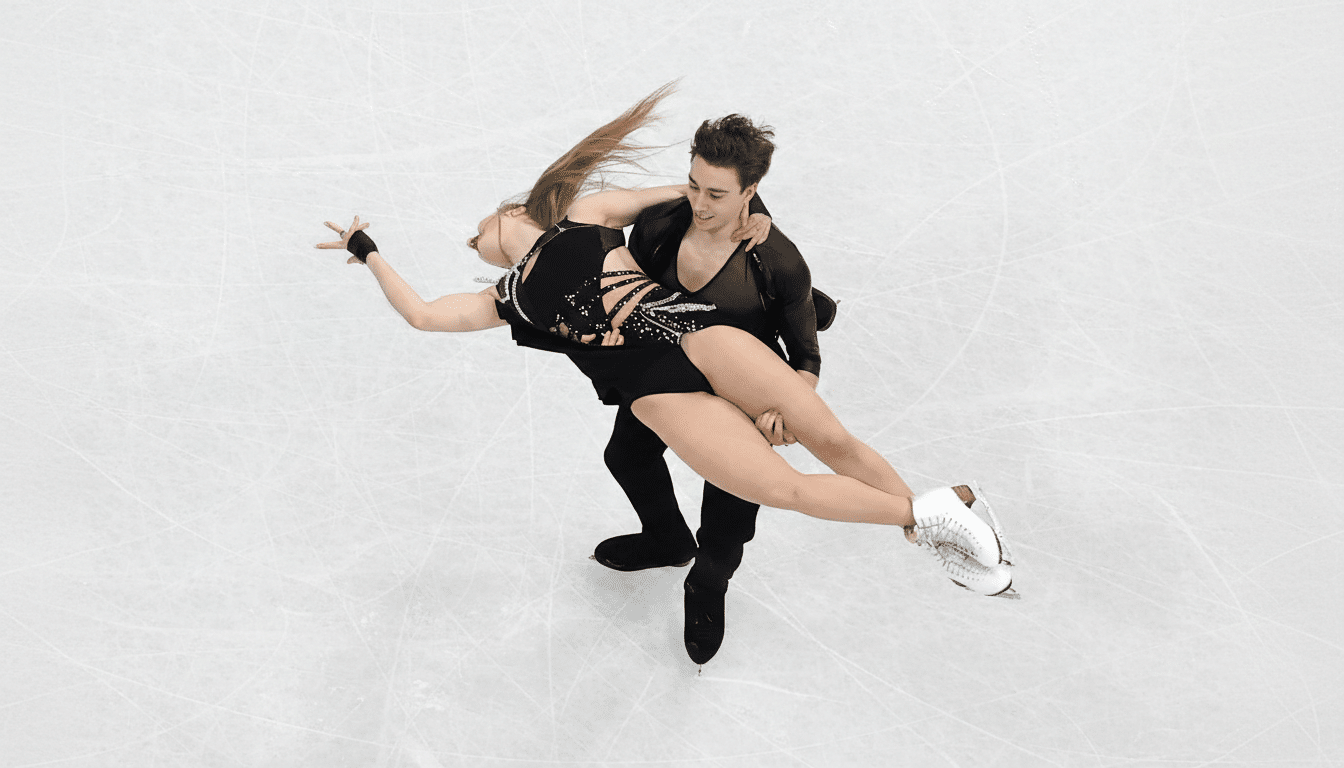
Artistic Integrity Meets Algorithmic Sound
Defenders of AI say bespoke tracks can be tailored to step sequences and lifts down to the beat, reducing editing compromises and licensing hurdles. Coaches already use software to surgically cut music and adjust tempo; AI feels like the next logical production tool.
Critics counter that ice dance thrives on emotional resonance, not just metronomic precision. Program components explicitly reward Interpretation of the Music/Timing and Composition. When a soundtrack reads as pastiche—recognizable without being truly known—judges and audiences can sense the gap. Consider how indelible choices have elevated podium programs: Virtue and Moir’s Moulin Rouge! or Papadakis and Cizeron’s Moonlight Sonata. Music identity matters as much as edge quality.
The risk isn’t only taste. If a track hews too closely to a famous recording, teams may face rights disputes or public backlash at precisely the moment they need buy-in from fans and officials alike. In this case, online reaction branded the opening as “AI slop,” a stigma that overshadowed otherwise solid skating.
The Broader Sports and Music Backdrop for AI Soundtracks
AI is already coursing through the music pipeline. Labels and platforms are testing watermarking and provenance tools—YouTube has outlined AI music principles with industry partners, and researchers at Google’s DeepMind have introduced SynthID for labeling AI audio—to help identify machine-made material. Whether such signals will be mandated for sports soundtracks is an open question.
Broadcasters also have skin in the game. Olympic Broadcasting Services and rightsholders need globally cleared audio; ambiguous authorship raises the odds of takedowns or muted segments, an outcome no federation wants when medals are on the line.
What to Watch Next as AI Music Spreads in Figure Skating
Expect calls for clearer guidance: disclosure when programs use AI-generated music, proof of provenance from reputable providers, and bright lines against prompts that target specific artists or songs. National federations may move first, with the ISU potentially harmonizing standards if disputes mount.
For skaters, the takeaway is pragmatic. Tools can help, but taste still wins. On this evidence, AI didn’t provide a podium edge—nor did it persuade the crowd. Until governance catches up, the safest bet remains music that’s original in more than name, and unmistakably human in feel.
