


Acer’s long-awaited Nitro Blaze handheld gaming PC was nowhere to be found at CES, a notable dismissal following glitzy unveilings at IFA and CES the previous year. The company is telling me that a US launch remains on its road map, but trade tariffs are shifting the go-to-market calculus for next-generation products back towards the future.
Why Acer Was So Quiet at CES amid handheld uncertainty
Industry watchers were the first to take note when the Nitro Blaze units were no-shows on the show floor, and Acer’s reply was diplomatic: a handheld line is still planned for the US, but timing will be established later as the company deals with tariff complexity and focuses talons first on core categories.
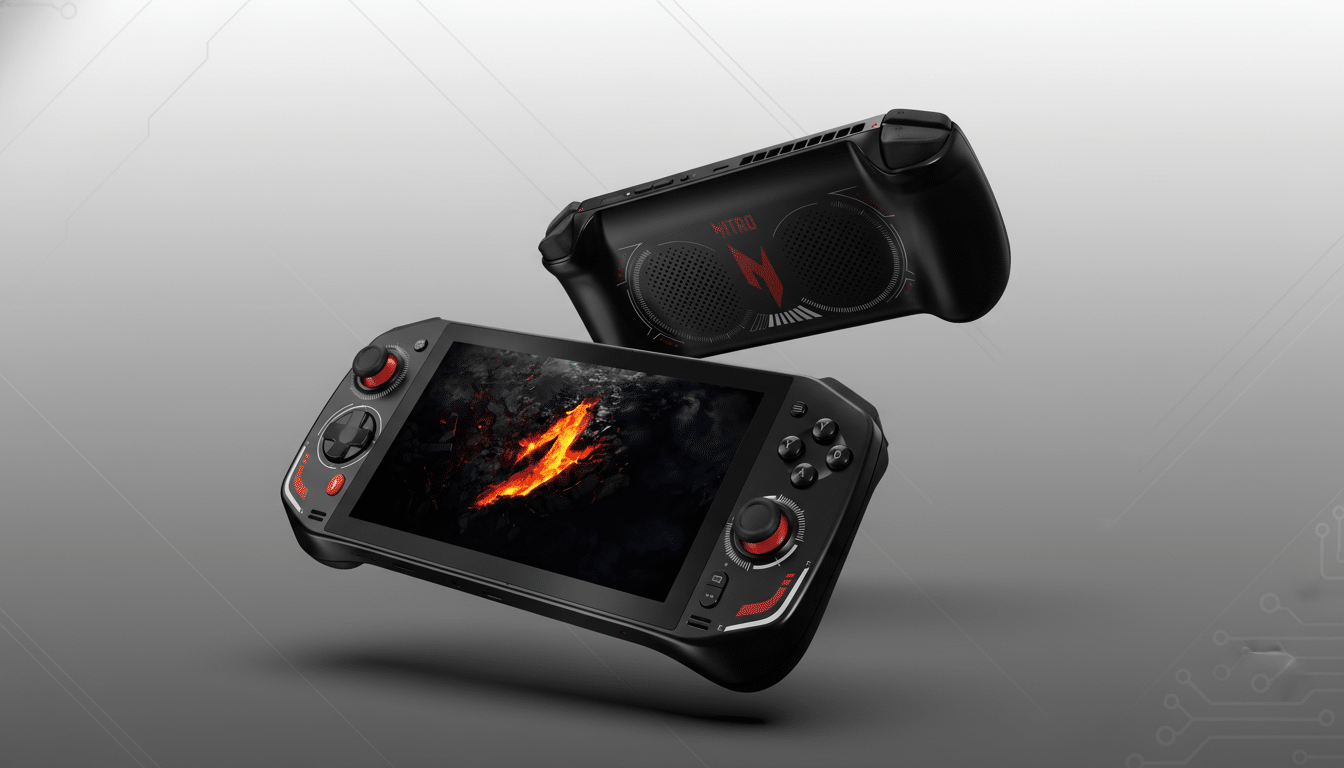
Acer isn’t canceling, plain and simple — just not committing.
The company opened several Nitro Blaze sizes up to the press and its partners in 2025, signifying serious intentions to take on Valve’s Steam Deck and Windows-based rivals from Asus and Lenovo. But unlike so many other companies, Acer has opted to put the brakes on the hype cycle and not provide dates that it may have to walk back later.
Tariffs and The Price Is Right: US import rules at play
Tariffs are the spoiler here. US trade actions are still reshaping the cost of electronics at the port of entry, and handheld gaming PCs fall into a gray area that could be treated like PCs or consoles or “other” toys depending on its categorization. Landed costs are ambiguous enough to swing the case one way or another for a launch window.
For a product that starts at $1,099.99 for the 11-inch box (16GB RAM/512 GB storage) and is priced at $899.99 for an 8-inch model with the same memory and storage space, even a feeble import levy can push price points upward.
A layer of extra cost at import then trickles down the distribution chain, threatening to nudge a handheld over key psychological retail price points.
Vendors typically respond by shifting final assembly to tariff-friendly countries or working through replacement sourcing of components. Publications from Nikkei Asia to Bloomberg have recorded the wider trend of notebook and component assembly moving to Vietnam and Malaysia as a way to sidestep US–China trade frictions. That kind of retooling requires time — and it’s hard to run a sure-footed US launch plan until those supply lines are locked.
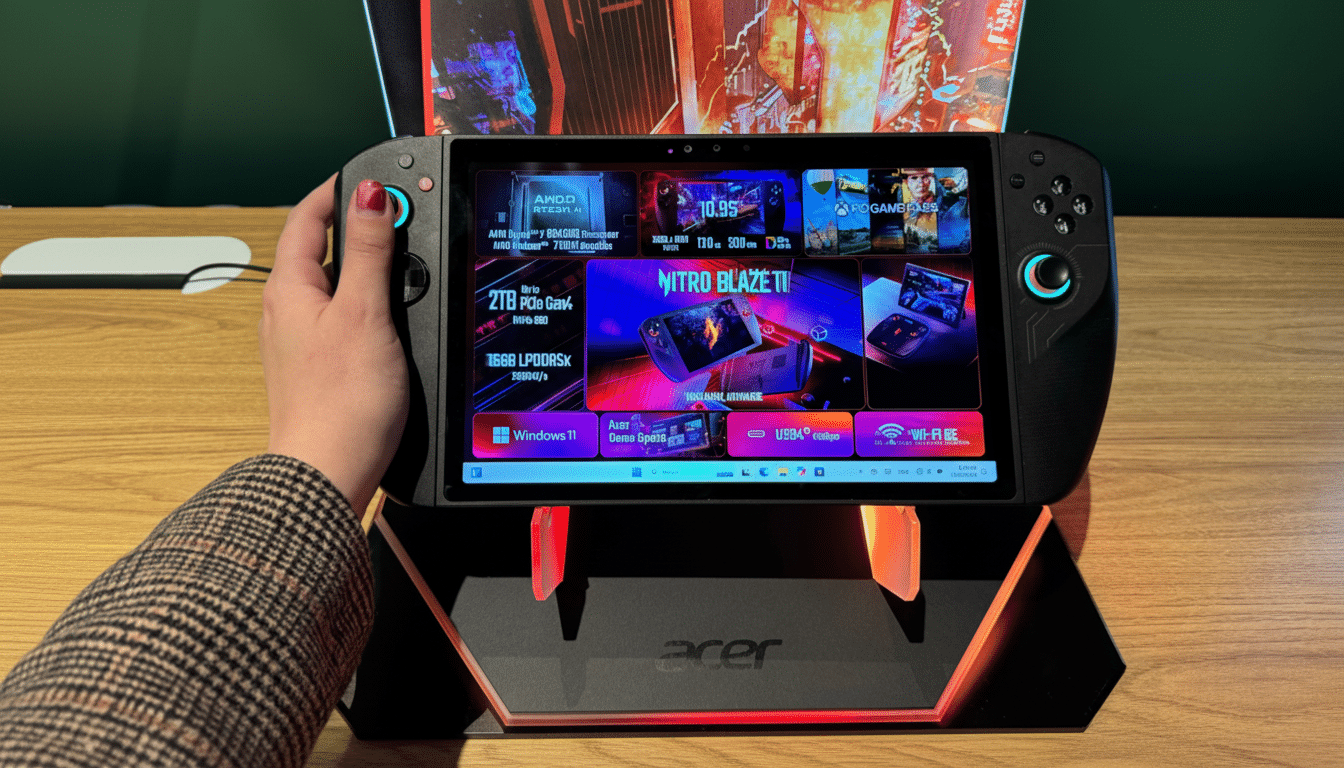
A product in progress: Nitro Blaze family takes shape
Acer first teased the Nitro Blaze 7 at IFA 2024 and then grew the family with 8-inch and 11-inch versions at CES 2025. Early demos stressed full Windows gaming, high-refresh displays, and ergonomics tailored for longer sessions — that last one a move to make the device more attractive to PC gamers who like the idea of Steam Deck portability but don’t want to leave the Windows ecosystem.
Beyond the memory and storage configuration of the priced models, that information is not included in the final US configurations the company has disclosed so far, and there’s nothing about the Nitro Blaze 7’s MSRP. That’s in line with a seller who is holding out for final cost inputs. In an environment in which tariffs are a moving target, everything from the mix of battery suppliers to wireless modules can change to ensure margins are acceptable.
Competitive pressure keeps building in handheld PCs
Meanwhile, the category is moving. Valve’s Steam Deck stays the usability and value leader, supported by its OLED refresh and deep developer involvement. On the Windows side, Asus’ Republic of Gamers line and Lenovo’s Legion Go are neck and neck with regular firmware updates and intense deals to get them seen in more established retail channels.
It makes for a terrible gap for Acer: lead too soon without pricing and face the potential of corrections down the road; dawdle and let competitors entrench themselves. That decision to sit out the CES spotlight reads as a bet that steady costs and clearer positioning will pay off better than another flash-in-the-pan, date-free teaser.
What to watch next for Nitro Blaze’s US prospects
There are three signals that will tell us when Nitro Blaze is really about to become big in the US:
- Clarity from US trade officials on how handheld gaming PCs are being classified at the border — a subject that industry groups regularly call for tweaking.
- A signal that Acer has diversified final assembly to match larger supply-chain changes happening across the PC industry.
- Solid specs and channel commitments to keep pricing where Acer originally wanted it.
For now, Nitro Blaze is neither vaporware nor a slam dunk — it’s an item trapped between a hot category and a cold tariff sheet. Acer’s message is clear: the handheld still exists, but that road to US shelves? Fewer tolls required.
