


Early 5K gaming tests are providing a powerful answer. In results shared with VideoCardz and undertaken internally, Asus’ new 27-inch offering had an Nvidia RTX 5090D achieving just 51 frames per second under Ultra ray tracing in Cyberpunk 2077 when using DLSS on Balanced and turning off frame generation, at a resolution of 5,120 x 2,880. The same system at 4K yielded 77fps—which is around a 50% uplift—so you can see how quickly performance drops off once you enter the realm of 5K.
Why 5K Resolution Is So Brutal for Today’s GPUs
5K crams in roughly 14.7 million pixels, which is about 78% more than 4K’s 8.3 million. That added burden isn’t just on shader throughput, either; it’s all the pipeline: geometry, texture fetches, caches, and in particular ray tracing workloads that do not scale particularly well with resolution. Even halo-level silicon feels the burn when every frame requires that many high-quality samples and bounces.
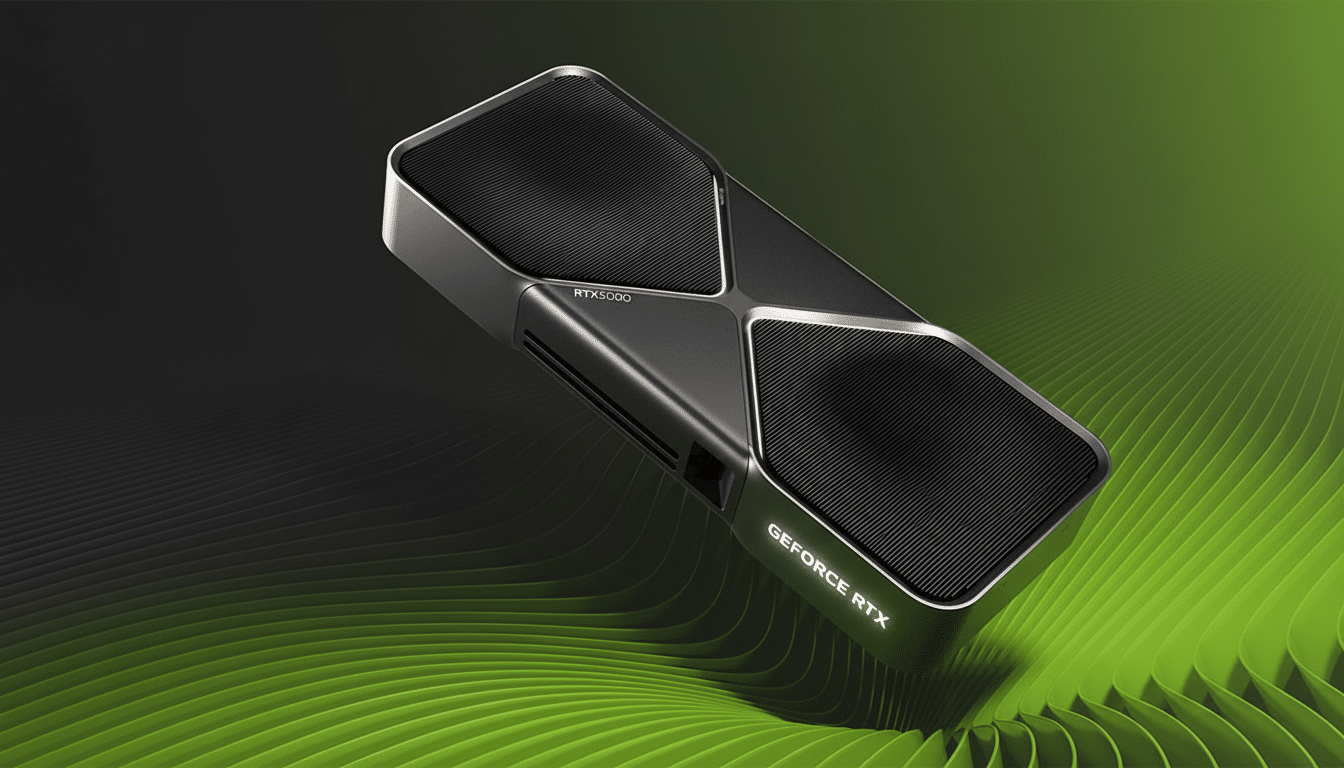
Ray tracing is the marquee multiplier. The thing about solid lighting and shadows in titles like, oh, I dunno, Cyberpunk 2077 with Path Tracing or Ultra RT is that the cost of having to calculate all those light rays and shadow bounces goes up as the pixel count does. Upscalers like DLSS and FSR can pick up some of the performance slack, but at 5K you’re asking them to rebuild an image that already starts with a very solid foundation. And the China-only variant of RTX 5090D with curbed AI capabilities even restricts how much DLSS frame generation can aid in extreme cases where it is the bottleneck.
Memory pressure is one more hidden tax. Community testing has revealed heavy RT scenes at 4K can drive VRAM consumption above (and beyond) the 12GB available, and scaling the same scene to 5K may also push allocation/bandwidth requirements even higher. Frames will start being delivered to the display in inconsistent intervals, so stutter will occur.
A Closer Look at the Asus 5K Showcase and Specs
Asus’ ROG Strix 27 Pro is a pixel-density flex: Hitting the display with 5K over the course of 27 inches nets a crisp, tight dot pitch of around 218 PPI—literally some pro-worthy territory for photo and video work. The panel tops out at 180Hz at native resolution, but there is a 2,560 x 1,440 mode that can push as high as 330Hz for competitive play. It’s an IPS panel — not OLED — so plan on sharp images and consistent color but less inky blacks (and slower pixel response) than the best OLEDs.
The RTX 5090D and a high-end Ryzen 9950X3D platform from Asus itself were used to test Cyberpunk 2077. At 5K and Ultra RT it scored 51fps; at 4K, a commendable 77fps. That’s a vivid demonstration of the extent to which resolution scaling stomps on raw horsepower once you step beyond 4K. The company hasn’t yet announced official pricing, but early listings in China are floating around $800, which overlaps larger 4K OLEDs now falling into similar price territory depending on brand and features.
What Gamers Can Realistically Expect at 5K
As it stands, 5K gaming is a niche that’s best tackled as a slightly hybrid workflow. Pull out 5K when you need a big, immersive canvas for desktop productivity, your creative apps and video; dial down to 1440p at high refresh rates for twitchy, fast-paced games. For cinematic single-player titles, 5K can make more sense when dialing back ray tracing, relying heavily on DLSS in Quality mode and accepting targets around 60fps rather than the triple digits. Frame generation can make that smoother if it’s supported, though how much image coherence and what you give up in latency is going to be different from game to game.
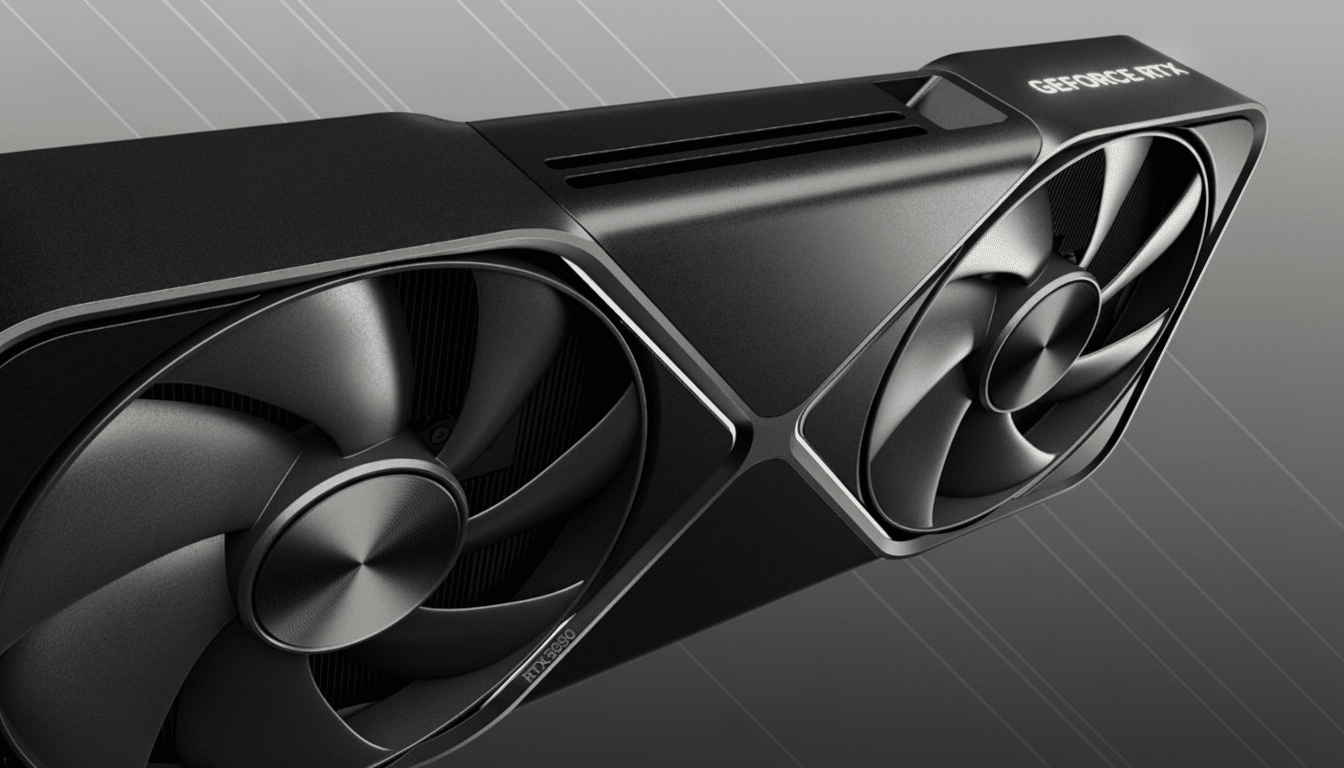
If you’re strictly pursuing the best possible visual acuity, a top-quality 4K OLED can still deliver more of that “wow” factor right now. Excellent contrast, near-instantaneous response times, and perfected tone mapping frequently take priority over raw 5K IPS sharpness on motion. And because it’s so much easier to drive, you end up with higher, more consistent frame rates without trimming as many effects.
What Needs to Happen for 5K to Become Mainstream
Hardware needs another generational leap. More ray tracing throughput per watt, bigger caches, and faster memory subsystems will be the needle movers. Code has to chip in as well: smarter upscalers (DLSS and FSR updates would be nice), better temporal stability, and renderer optimizations that don’t scale quite so aggressively with pixel counts. Game engines are already making their RT denoisers and sampling strategies better; more widespread use will count.
Display quality differences matter too. Driving 5K at high refresh with 10-bit color and full chroma squeezes the link bandwidth. The most recent DisplayPort 2.1 modes should relieve that tension, but GPU and monitor support has to sync up along the stack for painless setup.
Bottom Line: 5K Gaming Still Demands Big Trade-offs
Asus’ 5K monitor: This merely confirms everyone’s suspicions: even the fastest consumer GPUs trip when you’re adding another 78% pixels and loads of ray tracing on top.
The RTX 5090D is potent, but 5K is too far for uncompromised, high-refresh gaming. That, for the time being—waiting on another round of GPUs and rendering tech—4K (or 5K with a 1440p gaming fallback) is what strikes that balance.
Sources:
- Asus internal testing
- FTC rules on benchmark disclosure
- LaptopMag reporting (multiple)
- VideoCardz reporting
- Nvidia documentation of DLSS and frame generation
- CD Projekt Red guidance on Cyberpunk 2077 ray tracing support
- VESA specs for DisplayPort 2.1
