


Key Takeaways
- Small, habitual choices in our digital routines can lead to significant mental exhaustion over time.
- Establishing boundaries, breaks, and mindful technology use is essential for protecting well-being.
- Simple interventions can restore work-life balance and improve sleep, productivity, and emotional health.
- Recognizing the sources of digital burnout is the first step in combating its effects.
Table of Contents
- Constant Notifications
- Late-Night Screen Time
- Multitasking Across Devices
- Social Media Overload
- Blurring Work-Life Boundaries
- Strategies to Combat Digital Burnout
- Conclusion
Digital burnout has quickly become a growing concern for millions, driven by our hyperconnected lifestyles. The constant presence of devices and notifications in daily life creates subtle, persistent stressors that sap our mental energy and cloud our focus. Solutions like Shift browser and digital wellbeing are emerging to help people reclaim control over their attention and routines. But first, it’s key to recognize how everyday behaviors accumulate and contribute to chronic burnout symptoms.
Seemingly harmless actions, such as checking your phone at night or responding to never-ending notifications, slowly erode your body’s natural rhythms. While the digital era offers immense convenience and connectivity, there is growing evidence that our brains are struggling to keep pace. By understanding and addressing these modern habits, we can actively defend against the overwhelming impact of digital overload and restore some balance to our lives. In fact, research from the American Psychological Association shows a strong connection between uncontrolled digital use and rising rates of anxiety and sleep problems in adults.
1. Constant Notifications
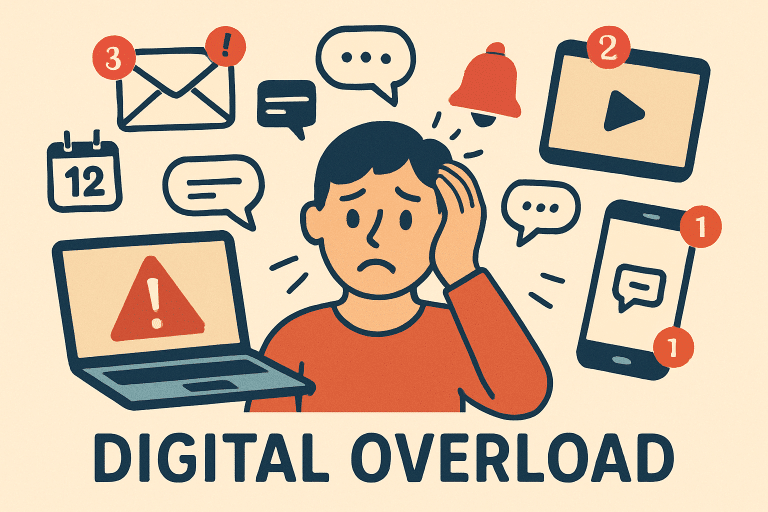
Modern devices are engineered to capture attention, and frequent notifications keep us locked in a reactive cycle. Every alert, whether from messaging apps, emails, or social platforms, momentarily hijacks our focus. Over the course of the day, this repeated fragmentation leads to mental fatigue and growing stress. Studies show that the anticipation of being interrupted by a notification can be just as disruptive as the interruption itself, further elevating anxiety levels. The solution lies in taking proactive steps, such as customizing notification settings or scheduling specific times to check messages, to regain a sense of calm and control over your day.
2. Late-Night Screen Time
Screen exposure in the hour or two before bed is now recognized as one of the largest contributors to disrupted sleep in the digital age. Blue light emitted by phones, laptops, and tablets interferes with melatonin production, making it harder to fall and stay asleep. Over time, this deteriorates your sleep quality, increases grogginess, and lowers resilience to stress. Several studies have found that cutting out screens before bedtime helps individuals fall asleep faster and wake feeling more refreshed. Consider using blue light filters, or better yet, create a buffer zone by setting your devices aside at least one hour before sleep.
3. Multitasking Across Devices
The temptation to juggle multiple digital tasks, replying to an email during a video call, or scrolling through social media while watching TV, is a common modern pitfall. While multitasking may provide a fleeting sense of productivity, research consistently shows that it undermines our brain’s ability to process information and retain focus. Mental exhaustion, overwhelm, and frequent errors become the norm. Productivity experts recommend ‘single-tasking,’ or focusing on one job at a time, to preserve cognitive resources and reduce stress. Building intentional gaps between digital tasks helps the mind recover and improves overall efficiency.
4. Social Media Overload
Social media platforms are designed for endless engagement, with constantly updating feeds and notifications. While these platforms connect us, overuse can easily lead to emotional exhaustion, increased anxiety, and even feelings of inadequacy. The pressure to keep up with digital personas or trending content often keeps users scrolling long after it stops being enjoyable. Experts recommend establishing daily time limits or uninstalling apps periodically for a digital detox to allow for emotional recovery and prevent information overload.
5. Blurring Work-Life Boundaries
The normalization of remote and hybrid work environments has improved flexibility, but it has also dissolved traditional boundaries between professional and personal life. Checking emails after hours, taking work calls during family dinners, or constantly thinking about work tasks makes it difficult for the brain to recharge. Without a clear division, people can quickly slip into chronic stress and lose touch with restorative downtime. Setting and enforcing work ‘shut-off’ times, as well as establishing a designated workspace, enables a healthier separation and better long-term well-being.
Strategies to Combat Digital Burnout
To combat digital burnout, implement actionable strategies: establish boundaries by scheduling device-free time and communicating work limits; engage in digital detoxes by designating screen-free periods for face-to-face interactions; practice mindfulness with meditation or journaling to alleviate anxiety; incorporate regular physical activity to mitigate the effects of sedentary behavior; and seek support from friends, family, or professionals if burnout persists. Recognizing and modifying unhealthy digital habits is crucial for maintaining mental and physical well-being in an increasingly connected world.
Conclusion
Digital burnout is a modern reality, fueled by constant notifications, late-night screen exposure, multitasking, social media overload, and blurred work-life boundaries. Each of these habits chips away at focus, sleep, and emotional resilience, creating a cycle of stress and mental fatigue. The good news is that by recognizing these triggers and taking intentional steps, such as setting boundaries, scheduling device-free time, practicing mindfulness, and prioritizing restorative habits, we can regain control over our digital lives. Small, consistent changes not only protect mental and physical well-being but also enhance productivity, focus, and overall life satisfaction. In a world that demands our attention, cultivating healthy digital habits is essential for maintaining balance and thriving both online and offline.
