


Zoox, which is owned by Amazon, has conducted a voluntary recall of its autonomous driving software after vehicles were found to be crossing the center lane lines at intersections and in some cases stopping in crosswalks. The action, revealed in filings with the National Highway Traffic Safety Administration, involves 332 vehicles of the company’s test and early service fleets. No accidents or injuries have been reported, but the company said that this behavior could potentially increase crash risk.
What Prompted the Recall of Zoox AV Software
Zoox attributed the decision to a sweeping turn taken by a robotaxi as it reached across an oncoming lane of traffic and paused momentarily in its path. A review of fleet data turned up 62 similar near-intersection lane encroachments. Each event was short-lived and self-corrected, but the pattern was significant enough for Zoox and regulators to take a closer look at frequency, severity, and what led up to them.
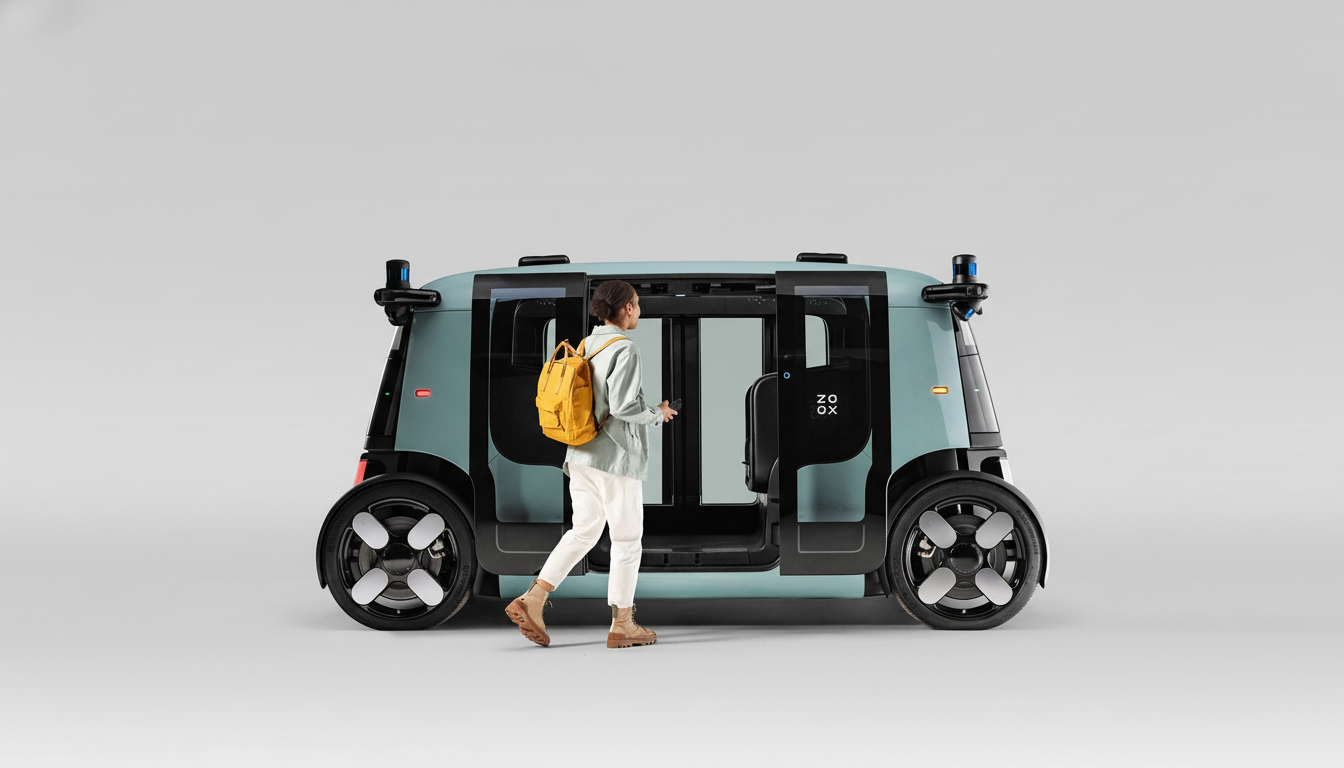
Company engineers cited certain scenarios that tax low-speed planning and control — tight right turns, intricate intersection geometries and crosswalk interactions — as primary triggers. Zoox said in a report to NHTSA that it had updated the software to more accurately guide its vehicles on their intended paths and drive with an abundance of caution near intersection entries and exits.
Scope and Software Fix for Lane Encroachment Issues
The recall affects Zoox vehicles on the road, including in areas where it has been offering driverless ride service in San Francisco and Las Vegas. The company rolled out targeted over-the-air updates intended to tackle cornering trajectories, lane boundary adherence and crosswalk compliance, according to the filing. There are no physical service needs on the vehicle; it’s all a software fix.
Zoox said it found the root causes and had pushed improvements to the fleet, characterizing the recall as a product of transparent safety work. The company also stressed that ongoing data surveillance is in place to verify these changes, and those measures are accompanied by others designed to prevent or combat similar patterns in the future.
Regulatory Context and Zoox’s Software Recall Record
The agency deems driving-behavior software safety-critical and has said fixes delivered through over-the-air updates can be considered recalls on a par with mechanical remedies. This has become a common approach in advanced driver assistance and autonomous systems, which allows for corrections to be quickly rolled out without removing vehicles from service.
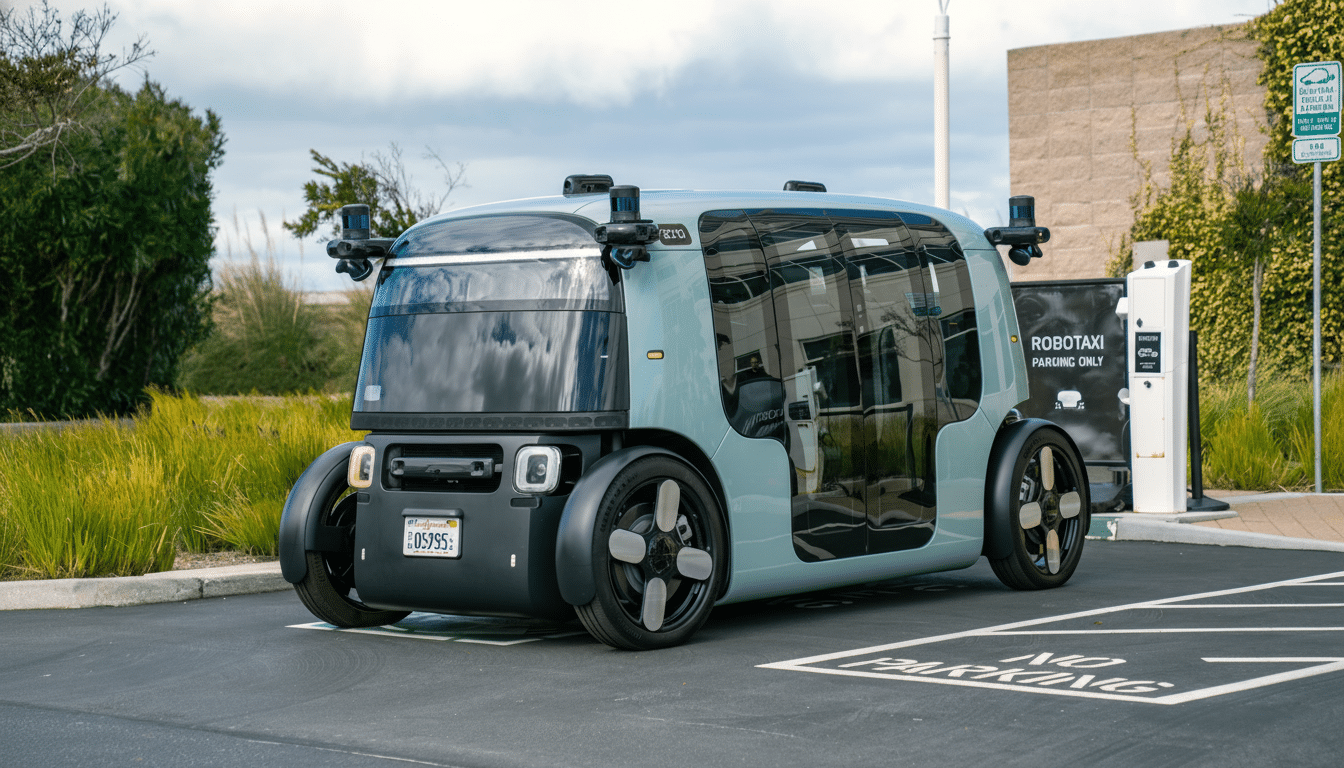
That was the second such software recall Zoox submitted this year, following one issued for unexpected hard braking, which came in June after NHTSA opened a preliminary evaluation in response to reports of motorcyclists rear-ending Zoox vehicles. The company also filed recalls to update its system’s ability to predict the movement of other road users. Outside self-driving, Cruise and Tesla have issued high-profile software recalls in the past for problems like how their cars handle pedestrians or driver assistance features, reinforcing that iterative software fixes are already a fundamental part of vehicle safety oversight going forward.
Why Lane Discipline is Important for AVs
Intersections and the narrow turns that are common in urban areas represent some of the most difficult maneuvers for self-driving stacks. They require tight fusion of perception, prediction and motion planning with little tolerance for drift across lane lines or to encroach into pedestrian space. Actions from other road users can lead to the need for avoidance, even if only a brief incursion has occurred: rejection of riding near boundary infringements increases conflict risk. That is why regulators scrutinize these scenarios closely and, for example, AV developers commonly assign conservative limits to low-speed urban geometry.
Zoox’s 62 events constitute a tiny fraction of fleet interactions, but are an important signal for system tuning. The low-frequency/high-severity (especially given oncoming traffic) possible outcomes in safety engineering dictate correction of a condition even if there are no crashes. The data-driven remediation and recall by the company shows that feedback loops are functioning as designed.
What Comes Next for Zoox’s Updated AV Software
Zoox says its new software is being transmitted live to the affected cars, and it continues to monitor whether it’s effective in real-life conditions. NHTSA will continue a discussion with the company as part of standard post-remedy oversight. In San Francisco and Las Vegas, the new rules are expected to be in effect as well.
More generally, the episode illustrates the extent to which safety with autonomy has matured: detect rare enriched-risk behavior rapidly, fix over-the-air (OTA), report the changes to regulators, and validate at scale. If the improvements stick, Zoox’s lane-keeping around intersections will be more precise, crosswalk blocking less common, and its safety case just that much improved.
