


Apple’s refreshed AirTag just met a wallet-friendly antagonist. Xiaomi’s long-rumored Bluetooth tracker has quietly surfaced in Europe, immediately positioning itself as the low-cost foil to Apple’s tiny locator while promising rare cross-ecosystem flexibility.
Listings on Xiaomi’s French storefront and multiple European retailers point to a price of €17.99 for a single Xiaomi Tag and €59.99 for a four-pack, with some shops already dipping below €15. That undercuts Apple’s $29 AirTag by a wide margin, making the Xiaomi Tag one of the most aggressive price plays in the crowded tracker market.
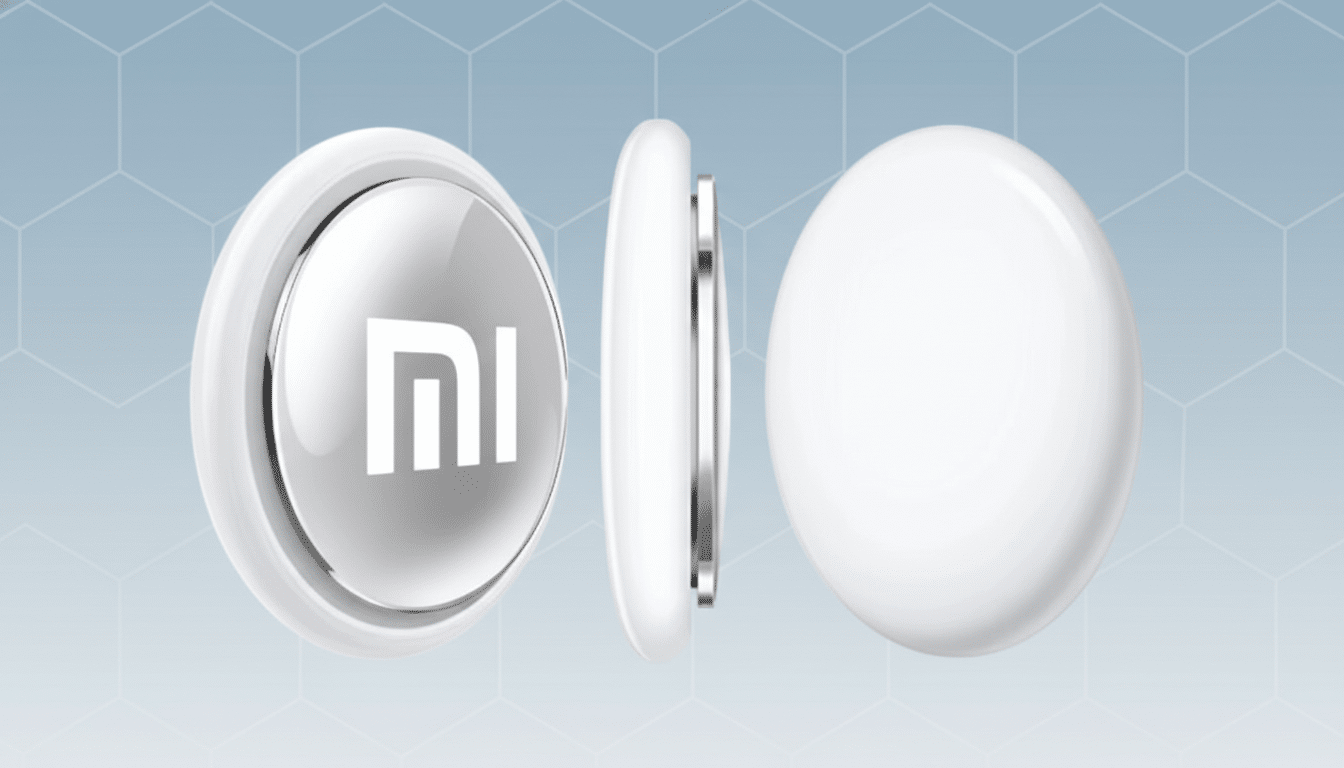
Despite the price, the Xiaomi Tag leans on some credible specs: Bluetooth 5.4, NFC for quick interactions, and—crucially—support for both Apple’s Find My network and Google’s newly expanded Find My Device network. That dual compatibility is the hook: buyers aren’t fenced into a single platform.
Price and Availability for Xiaomi Tag in Europe
Early retail sightings, first flagged by European outlets including WinFuture, suggest a soft launch in select EU markets. Official word from Xiaomi is still pending, but live pricing on the company’s French site usually signals imminent availability. A US release remains unclear; Xiaomi’s ecosystem hardware often launches region-first before broader rollouts.
At €17.99, the Xiaomi Tag lands in impulse-buy territory. The four-pack pricing is particularly sharp for families who want trackers on keys, school backpacks, and luggage without spending flagship money.
Cross-Network Coverage Is The Real Story
Most key finders lock you to a single network. Apple’s AirTag works with Find My on iPhones, while many Android-friendly trackers tap their own, smaller crowdsourced maps. Xiaomi’s move is different: the Tag is listed as compatible with both Apple Find My and Google’s Find My Device network, the latter relaunched this year with end-to-end encryption and background scanning.
The coverage upside is substantial. Google says over a billion Android devices can help locate tags passively, while Apple now reports more than 2 billion active devices globally—an enormous potential footprint for Bluetooth pings. In dense urban areas, those networks can triangulate a lost item’s location surprisingly fast, even if your own phone is nowhere nearby.
Hardware Basics and Battery Life for Xiaomi Tag
The Xiaomi Tag measures 7.2mm thick and uses a standard CR2032 coin cell, rated for roughly a year before replacement—mirroring what many buyers appreciate about AirTag, Chipolo, and Tile. NFC support should enable tap-to-identify behavior when the tag is in Lost Mode, letting a finder see owner-set contact info from any modern smartphone.
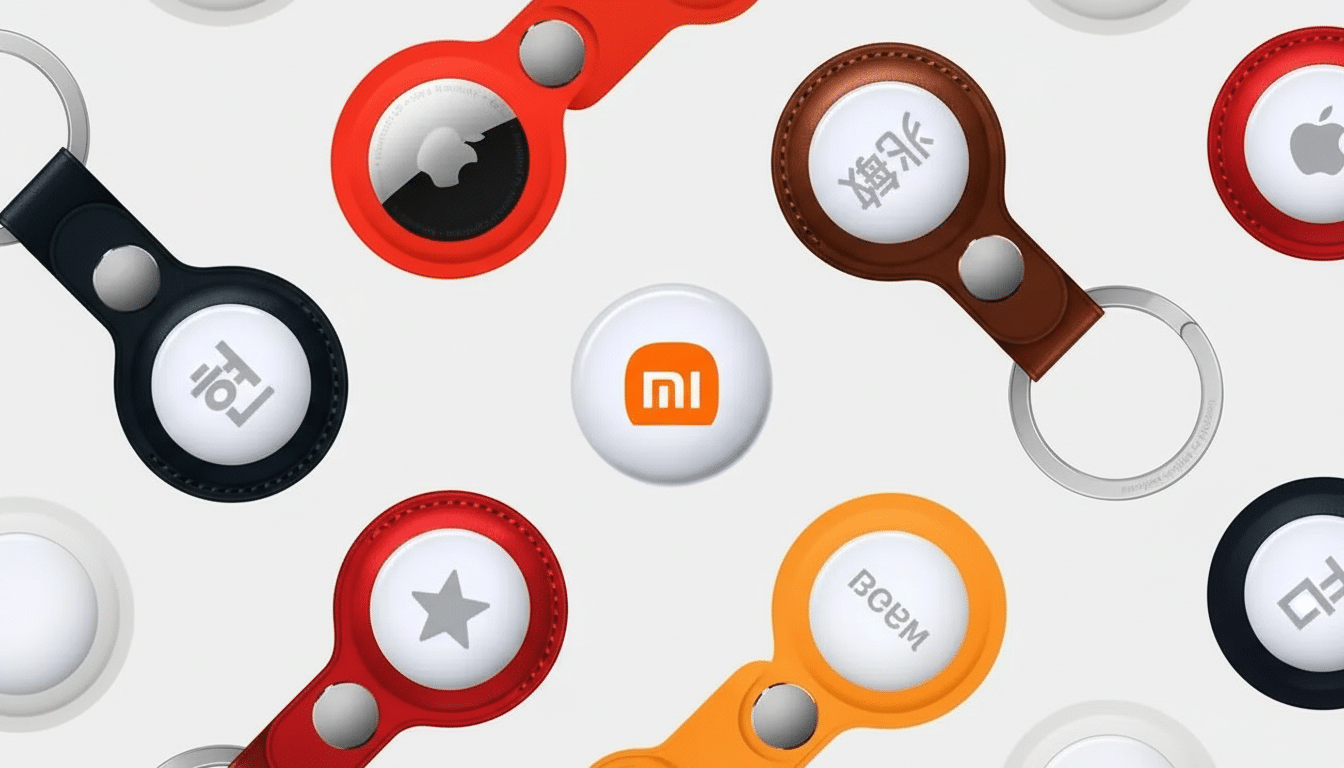
Bluetooth 5.4 brings the usual energy efficiency and broadcast improvements, though the big user-facing benefits remain network reach and phone compatibility rather than raw radio spec sheet jumps.
No UWB Changes the Precision Equation for Xiaomi
Current listings make no mention of Ultra Wideband, despite earlier rumors that Xiaomi might ship a UWB variant. That matters. Apple’s latest AirTag leans on a second-generation UWB chip for Precision Finding, giving iPhones a directional arrow and centimeter-level guidance when you’re close. Bluetooth-only trackers can still get you to the general vicinity, but you lose that laser-pointer experience indoors and in crowded spaces.
On Android, the impact is mixed. Only select flagships—think Google Pixel Pro models and Samsung’s Ultra line—offer UWB today. For everyone else, a sharp price cut on a Bluetooth-only tag may be the smarter trade-off.
Safety Features Now Have a Baseline Across Platforms
Apple and Google jointly introduced a cross-platform standard for unwanted tracking alerts, and both companies now surface notifications if an unknown tracker appears to be moving with you. Any tag tapping these networks is expected to honor those rules, including audible chimes and guidance on how to disable a found device. That baseline is essential for mainstream adoption and should help the Xiaomi Tag avoid the early missteps that dogged the first wave of trackers.
Where the Xiaomi Tag Fits in a Crowded Tracker Market
Tile and Chipolo carved out strong niches, but each sits squarely in one ecosystem or uses a proprietary crowd map with far fewer participants. Xiaomi’s pitch is simpler: go cheap, go broad, and ride the two biggest device networks in the world. For most people trying to tag keys, bags, and bikes, that combination may matter more than precision arrows or boutique features.
If Xiaomi’s pricing holds and availability widens, Apple’s AirTag just inherited a tough new baseline competitor—one that makes multi-tag setups affordable and, importantly, doesn’t force you to pick sides between iOS and Android. The premium precision crown still sits with AirTag, but the value crown might have a new owner.
