


A credible new hint suggests Xiaomi’s magnetic add-on camera system, first shown as a concept, could reach consumers this year. The tip, shared by long-running Weibo leaker Digital Chat Station, points to a magnetically attached imaging accessory—widely interpreted as progress on Xiaomi’s Modular Optical System—moving closer to a commercial debut.
If it lands, the device would bring an interchangeable-style camera experience to smartphones without forcing thicker phones or giant camera bumps. It’s an audacious idea that marries big-sensor optics to modern computational photography, and it could reset expectations for mobile creators who’ve outgrown clip-on lenses.
What Xiaomi Has Shown So Far on Its Magnetic Camera
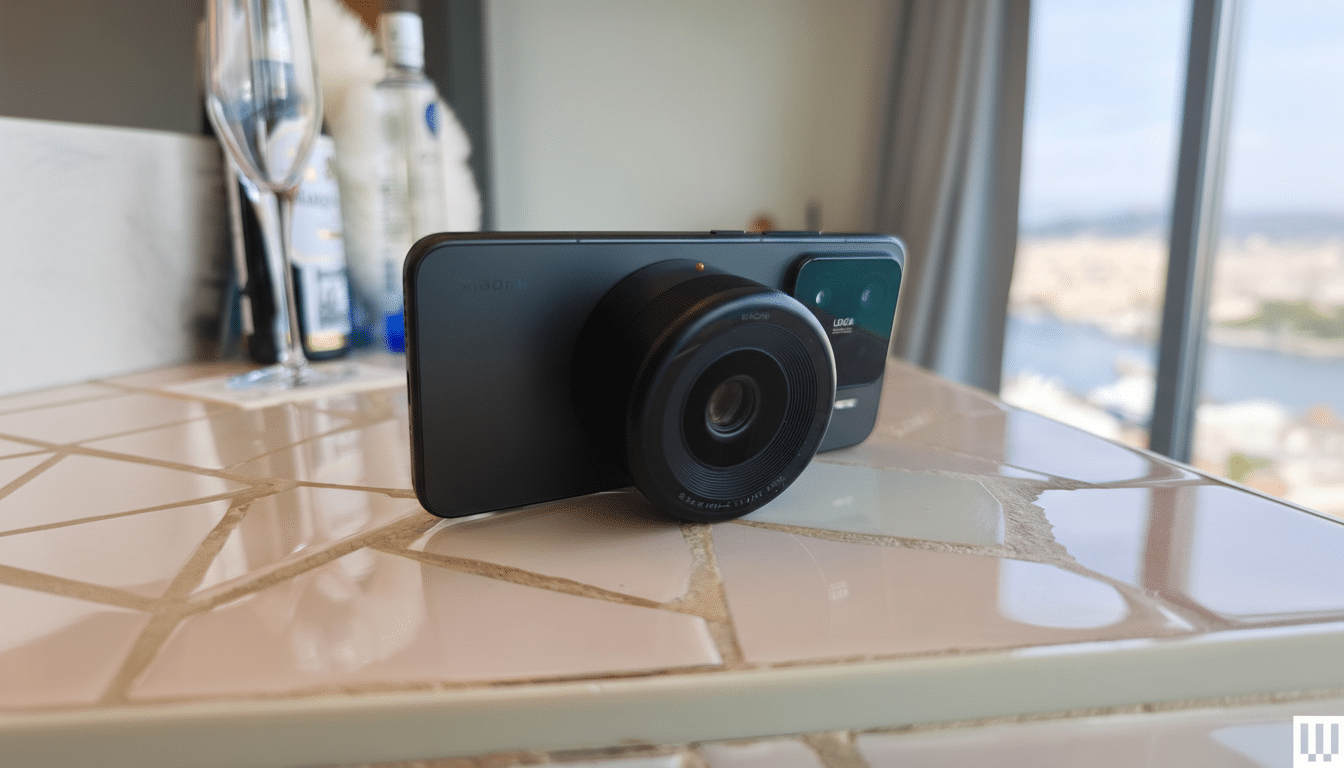
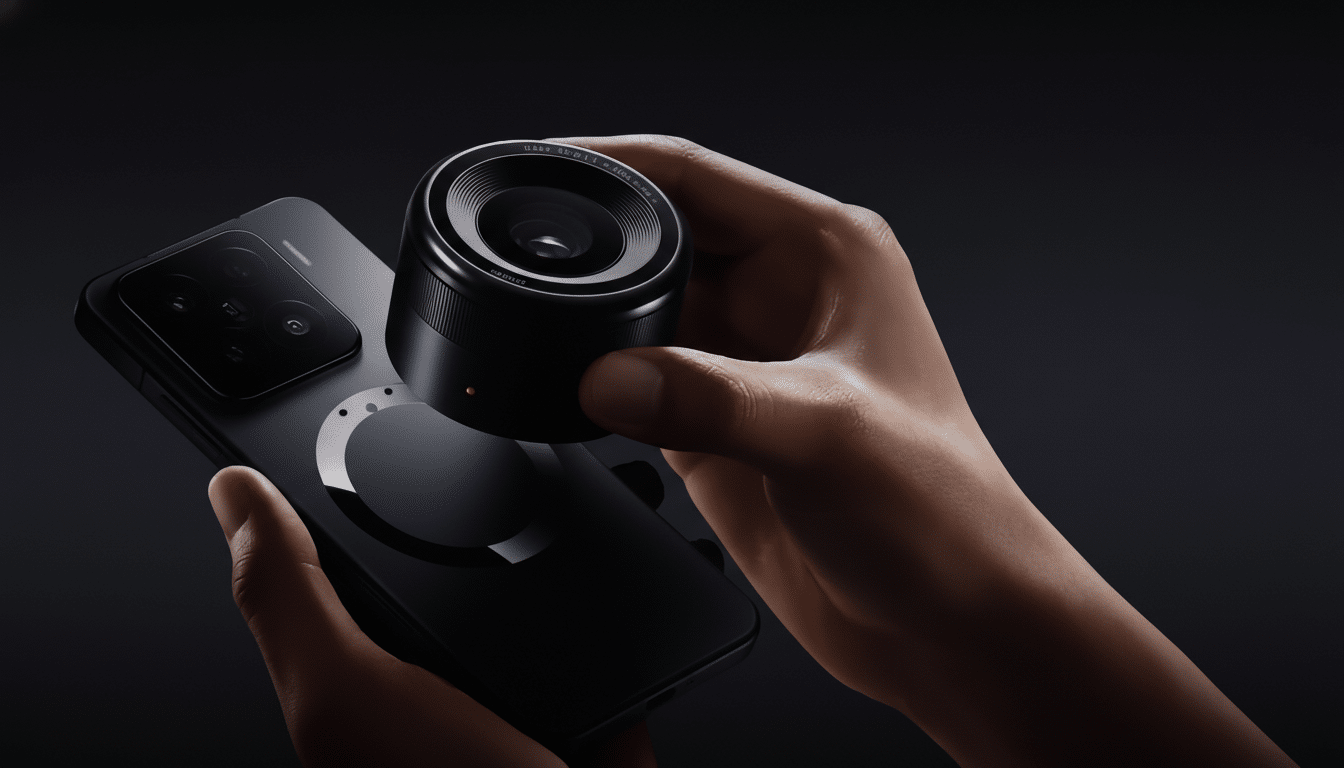
At a recent industry showcase, Xiaomi demonstrated a prototype dubbed the Modular Optical System: a magnetically docking camera module that physically latches onto a compatible phone. The company highlighted two key enablers—an optical, laser-based high-speed data link and the ability to draw power from the phone—promising low-latency imaging and tighter software integration than Bluetooth or Wi-Fi solutions.
The prototype reportedly used a Four Thirds–type sensor, the same class employed by dedicated cameras from Panasonic and OM System. For context, a Four Thirds sensor measures 17.3 x 13.0 mm, providing nearly double the light-gathering area of the 1-inch–type sensors now appearing in premium camera phones. That jump in silicon real estate typically delivers cleaner low-light shots, broader dynamic range, and more natural depth of field.
Xiaomi is no stranger to bold camera experiments. The 12S Ultra Concept integrated a mount for Leica M lenses, offering a taste of hybrid phone–camera workflows. The new magnetic module feels like the next step—making the “big camera” portable, powered, and plug-and-play instead of a laboratory demo.
How This Differs From Past Smartphone Camera Attempts
We’ve seen smartphone add-ons before. Sony’s QX series in 2013 and the Hasselblad True Zoom for Motorola’s Moto Mods tried the idea of a detachable camera. They struggled with pairing friction, lag, clunky ergonomics, and battery juggling. Those systems also lived half-in, half-out of the phone’s imaging pipeline, which made the experience feel like using a separate camera with a phone as a remote screen.
Xiaomi’s concept attacks those pain points directly. A magnetic mount promises mechanical alignment without fiddly tripod plates or cases. An optical data link targets near-wired responsiveness for framing and shutter response. Phone-supplied power could eliminate a second battery to charge. Combined with Xiaomi’s image processing—developed in collaboration with Leica—this could feel like a single camera system rather than two devices negotiating over wireless.
Why a Magnetic Camera Module Could Truly Matter
Creators increasingly demand large-sensor look and interchangeable framing, but they don’t always want to carry a second body. A Four Thirds module on a phone could unlock shallower depth of field for portraits, cleaner night cityscapes, and higher fidelity for video. Paired with established phone features—5G uploads, on-device editing, instant sharing—the proposition is compelling for reporters, vloggers, and event shooters.
There’s also a potential ecosystem angle. If Xiaomi nails the mount and data spec, third parties could build specialty modules—ultrawide primes, macro tubes, or even neutral density variants optimized for video. That accessory runway is how dedicated camera systems thrive, and it would be new territory for phones beyond simple clip-on glass.
The Big Questions About Xiaomi’s Magnetic Camera Plans
Compatibility will be crucial. Will the module fit a single halo phone or a family of devices? A universal magnetic interface is tricky when camera island designs vary widely. Durability and alignment under movement, heat dissipation from sustained 4K or 8K recording, and how stabilization and autofocus are shared between module and phone also loom large.
Then there’s price. Dedicated Four Thirds cameras occupy a broad range, and even with phone-assisted costs, a large-sensor module won’t be cheap. If Xiaomi can undercut entry-level mirrorless kits while delivering genuinely integrated ergonomics and processing, it stands a chance. If not, it risks repeating the fate of earlier snap-on cameras that faded after early curiosity.
What To Watch Next as Xiaomi Nears a Potential Launch
Look for continued hints from Chinese certification databases, accessory makers, and Xiaomi’s imaging team. A limited rollout in Xiaomi’s domestic market would be a logical first step, followed by broader availability if developer support and creator feedback are strong. And keep an eye on any flagship launches—pairing this module with a top-tier phone and refined camera app would maximize its debut impact.
For now, the signal is simple: a magnetic, big-sensor camera for phones no longer looks like a science project. If Xiaomi brings it to market this year, it could mark the most meaningful rethink of smartphone photography since the rise of 1-inch–type sensors—shifting the debate from how big a camera bump can get to how smart a modular system can be.
