


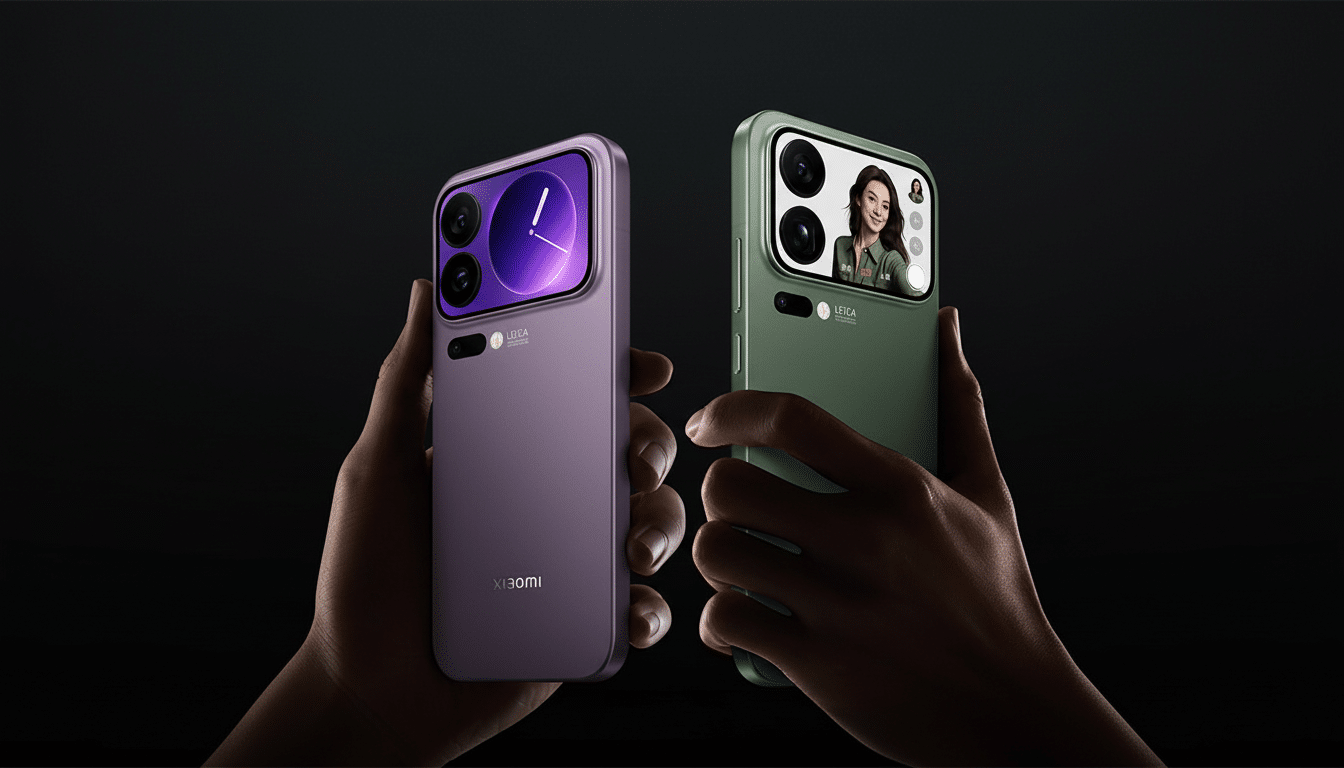
Forget the S26 Ultra chatter. Xiaomi has just rather stolen the show by revealing that the Xiaomi 17 Ultra will be launching next week: much earlier than its usual Ultra timeline and indicating a reinvigorated focus in top-tier mobile photography.
Why This Ultra Launch Matters Right Now for Xiaomi
For Xiaomi, its Ultra models usually end up around the industry’s spring hardware cycle, usually coinciding with major trade shows. Releasing the 17 Ultra ahead of that cadence indicates confidence in both hardware and software—and a drive to get out in front of the next-gen camera phone narrative before other manufacturers take center stage.

The move also comes at a time when so-called “Ultra” flagships are increasingly becoming halo products representing brand identity. During the last cycle, Xiaomi’s Ultra phone was heralded as one of the best shooters for low light and telephoto diversity. By launching earlier, Xiaomi gets a head start in shaping where phone photography is headed in 2025 and beyond.
Leica Partnership Levels Up for the Xiaomi 17 Ultra
Most importantly, Xiaomi contends that the 17 Ultra is also the first to emerge in an enhanced cooperation with Leica that extends past co-branding and R&D into “strategic co-creation.” In practical terms, that suggests even closer ties on optics design, image processing, color science and lens tuning — from glass stack to finished JPEG.
Leica’s APO pedigree makes itself particularly felt here. In traditional photography, Leica’s APO lenses are renowned for their ability to reduce chromatic aberration and color fringing whilst maintaining micro-contrast and edge sharpness. If those characteristics translate well to a periscope module, you can look forward to cleaner high-contrast edges on tele shots and a more consistent color representation from one end of the zoom range to another.
What Xiaomi Has Confirmed About 17 Ultra Hardware
At a glance, it can feel like good hardware on display, but Xiaomi has already disclosed two headline-grabbing hardware specifics: a new one-inch main sensor and the first Leica-certified APO telephoto lens that will appear in a smartphone. The company is also bragging about improved low-light performance, even more accurate detail retention in tricky high-contrast scenes and more “creative freedom” for telephoto shooting.
That one-inch sensor claim matters. A one-inch type sensor is around 13.2 x 8.8mm—a size that’s around 1.7x larger than a typical 1/1.3-inch class sensor—and this has a tangible benefit in terms of photon capture and dynamic range. Look for cleaner shadows, more stable night shots, and richer tonal gradations as long as Xiaomi’s noise reduction and HDR pipelines are tuned for the better.
On the telephoto side, APO-grade optics can enhance color alignment through the wavelength range, which is important for fine detail like foliage, fabric or city night scenes where fringing would otherwise reduce image sharpness. For shooters, that should mean crisper long-zoom pictures with less purple or green edges around backlit subjects.
The Rumor Mill and What to Watch Before the Launch
Leaked chatter hints at OmniVision’s OV50X sensor as the potential one-inch sensor, with a resolution high enough for an allegedly 200MP tele module also in play to crop into lossless-quality. That’s speculation, of course, but fits with the larger trend toward larger sensors in low-end devices and computational zoom that maintains detail without over-relying on digital interpolation.
Context helps here. Recent camera flagships such as the Oppo Find X7 Ultra and Vivo X100 Ultra doubled down on 1-inch sensors and complex zoom stacks, setting a bar for texture preservation, skin tones and night photography. Xiaomi’s head start allows the company the opportunity to set this year’s bar, especially as it pairs its optics with disciplined color science and restrained sharpening.
Launch Plan and Worldwide Availability Timeline
The Chinese-first debut for next week is also expected. In the past, Xiaomi has then come through with a wider release at one of the big global fairs, so we would expect to see the 17 Ultra land on the international stage after its domestic debut. The big question, then, is whether Xiaomi cuts the traditional wait to maintain momentum and avoid having early adopters outside China cooling their heels for months.
That strategy makes a difference not only for buzz but for sales cadence. Champions of the ultra-premium tier feed on early visibility and unambiguous performance leadership. It would be an even tighter global window in which to tempt Xiaomi faithful before rival flagships land, especially those whom a new wave of telephoto- and night-mode-toting rivals may entice.
What It Means for Competitors in the Ultra Segment
As interest plods toward the next big “Ultra” from others, Xiaomi’s timing clears the runway anew. Here is a Leica co-designed APO telephoto facing off against an all-new one-inch sensor — it’s the sort of combination that makes competitors prop their feet up on furniture and think real hard about what they want to prioritize: lens design versus brute-force pixels. Look for a new focus not just on zoom reach, but also on color accuracy, edge integrity, and cross-focal consistency.
If Xiaomi is as good as its word, and if the new phone lives up to what it has teased, then the 17 Ultra could establish this cycle’s standard for mobile imaging — that might force everyone else in the field to play catch-up not just in processing games but in optics.
