


Xiaomi has confirmed a world first for smartphones: the 17 Ultra will feature a 200MP continuous optical zoom periscope, providing real variable zoom from 75mm to 100mm (~3.1x – ~4.1x). Unlike the fixed-step telephoto lenses that are standard on phones, this module shifts internal elements for optical integrity as you zoom — more like a compact camera than a traditional handset.
A 200MP telephoto with real optical zoom capability
The periscope lens, Xiaomi revealed on Weibo, is fitted with a 1/1.4-inch 200MP sensor — which is pretty large for a tele module. The resolution isn’t just for shouting at billboards — modern 16-in-1 binned images from typical 200MP sensors actually produce a 12.5MP image with an effective pixel pitch of 2.24 µm, which means better low-light performance and wider dynamic range. Combine that with the moving optics, and you’ve got a camera that should retain detail and contrast throughout this 75–100mm range without having to rely on heavy computational tricks.
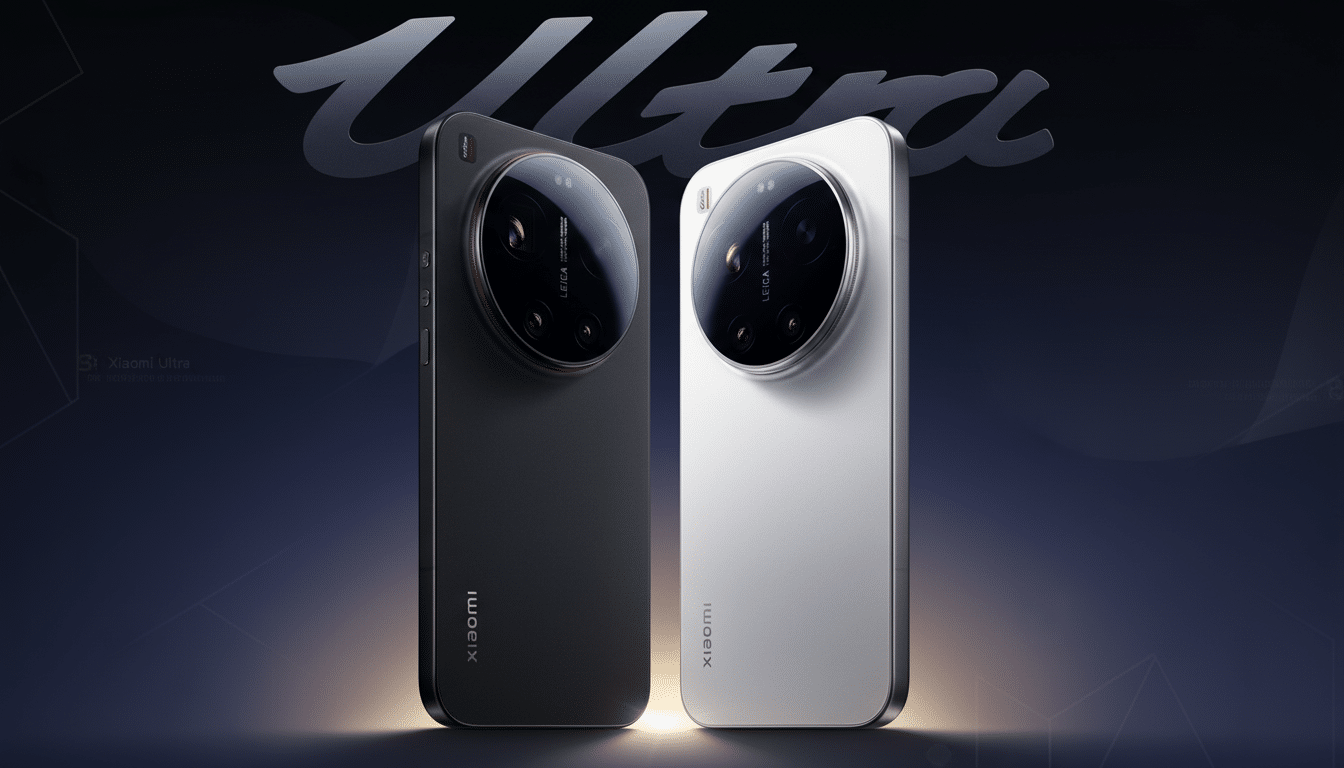
Since optical zoom stops at 100mm, beyond that point the phone will still rely on in-sensor crop and super-resolution. But all starting at 200MP means cleaner mid-tele results than the software-only 2x zoom most phones fall back on. Look for smoother transitions in the frame and fewer of those artifacts in that 3–4x sweet spot where a lot of people shoot portraits and street scenes.
Why the 75mm to 100mm zoom range is significant
In photography, the 75–100mm territory is prime portrait land. Faces render true at these close focal lengths; barrel distortion falls off, and background compression adds some pleasing separation. You invariably end up cropping or stepping back to compose on phones sporting fixed 3x or 5x optics. With constant optical zoom, the 17 Ultra ought to allow you to dial in framing exactly — head-and-shoulders at roughly 85mm, tighter headshots about 100mm — without sacrificing sharpness or dynamic range.
Video benefits too. Variable optics will help trim the jumpy, “step zoom” look you usually see when you switch from one lens to another mid-clip. When a single module internally translates its own focal length, it is much easier to make seamless, parfocal-like transitions and maintain alignment and stabilization properties as it does so.
How it compares with other smartphones’ zoom systems
That technology is less common on phones thanks to the complex mechanics and tight tolerances required in a thin chassis. Sony has been the most prominent: its current Xperia 1 series comes with a variable tele covering approximately 85–170mm (around 3.5x to 7.1x) on a 12MP sensor. By contrast, Xiaomi is opting to sacrifice the reach of maximum telephoto in favor of resolution and size, focusing instead on the mid-tele range with a 200MP chip that will likely be better suited for portraits, plus regular old tele work.
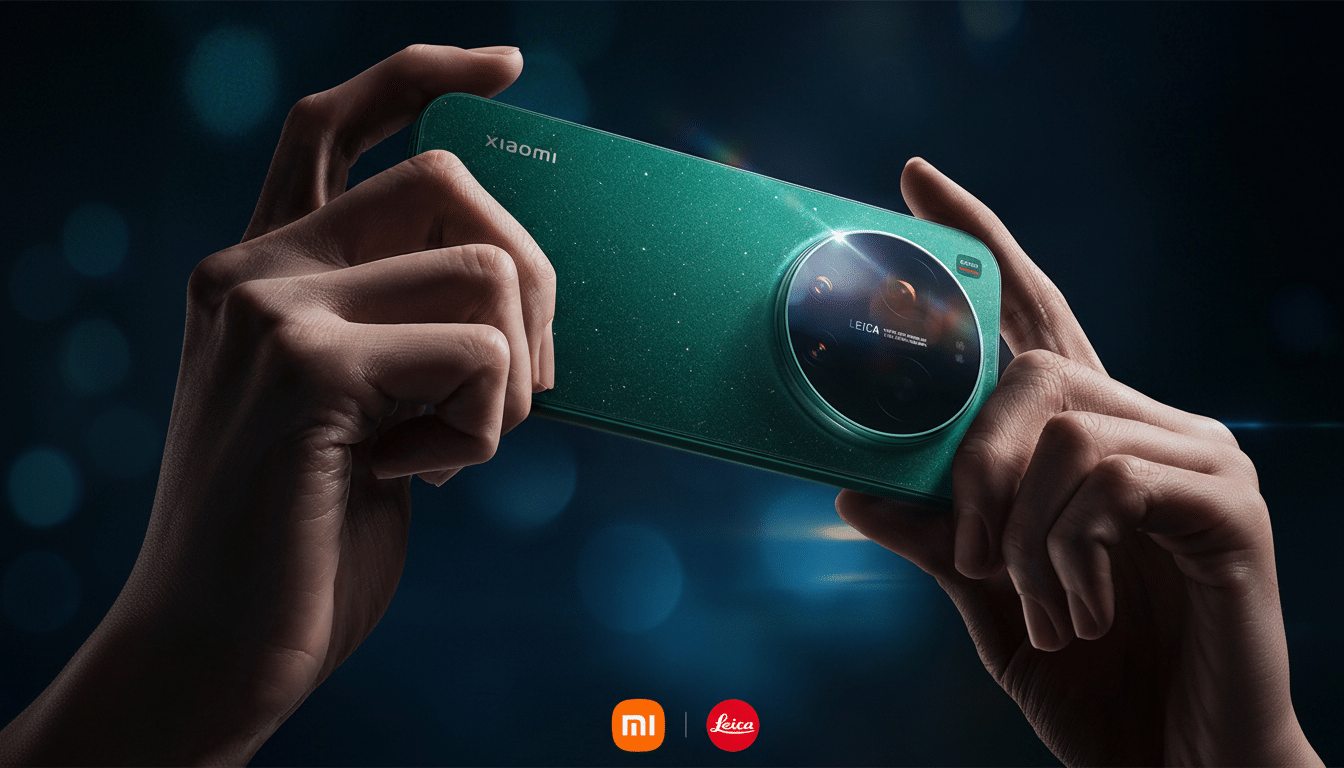
The “world first” part is the combination of continuous optical zoom with a massive 200MP sensor. It’s an ambitious pairing. Although the zoom range isn’t as long as Sony’s, the pixel count is such that there is some headroom for lossless-style cropping at typical output resolutions. Those watching the industry will be eager to see how Xiaomi opts to balance optical performance, processing, and stabilization against some rivals that are instead choosing longer zooms at a lower resolution.
Sensor technology and image quality considerations
Xiaomi claims that the tele module’s 1/1.4-inch sensor is roughly similar in size to the company’s recent periscope chips, sidestepping some of those smaller sensors’ low-light pitfalls — as any review of what we’ve seen from Sony phones and from brands like OnePlus will confirm. Bigger silicon collects more photons, results in cleaner shadows, and gives you greater confidence when shooting at high ISO — something that matters at telephoto with its limited light. Expect multi-frame fusion, advanced demosaicing, and AI denoising to all be in the pipeline; recent comparisons by labs like DXOMARK often report large gains from computational photography when supported by decent optics.
The 17 Ultra also features the Light Hunter 1050L one-inch main sensor with LOFIC technology, which claims to dramatically expand dynamic range by capturing highlight detail without crushing the shadows. So long as Xiaomi’s tuning can blend the one-inch wide camera with a high-resolution tele, you’d get similar color science and exposure between 1x and mid-tele.
What it means for the future of mobile photography
For most shooters, the takeaway is straightforward: improved portraits and tighter compositions with very few quality trade-offs in the 3–4x range of reduced magnification. For fans, this might be the most interesting tele implementation since variable periscopes shrank down to smartphones and combined optical flexibility with the safety net of a 200MP sensor. The claim from Xiaomi also suggests a larger trend: phone makers are pivoting away from spec-chasing and toward the world of nuanced optical engineering, where what you do with pixels is more important than how many you have.
U.S. availability and global versions are unconfirmed at this time, but the camera stack alone makes the 17 Ultra a phone to watch. And if real-world tests live up to the promise on paper, this could redefine expectations for mid-tele performance on a smartphone — and put pressure on rivals to reconsider their own zoom strategies.
