


Xiaomi’s camera-first flagship duo looks set to break out of China soon, with credible retail intel pointing to an imminent global debut for the Xiaomi 17 and Xiaomi 17 Ultra. The headline takeaway for fans outside China: pricing is expected to mirror last year’s European tags, while global models may trade a slice of battery capacity for broader market compatibility.
What the latest leak reveals about Xiaomi 17 series
The most concrete details so far come from Dealabs’ long-running tipster Billbil-kun, who has built a strong track record on advance retail listings across gaming and smartphones. According to their reporting, Xiaomi is preparing a coordinated international rollout for both the standard 17 and the 17 Ultra, with channel pricing, storage options, and colorways already lining up behind the scenes.
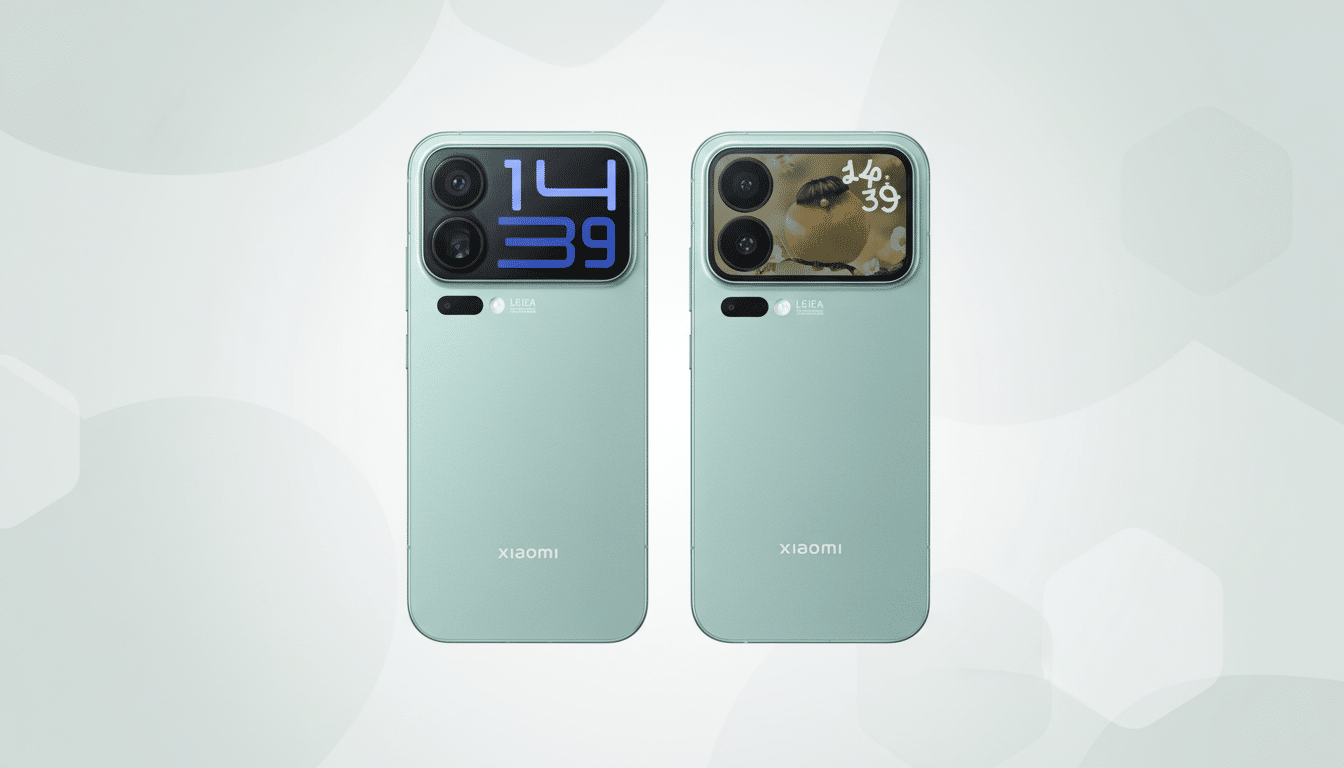
In Europe, the Xiaomi 17 is expected to start at €999 for 12GB RAM and 256GB storage, with a 12GB/512GB variant at €1,099. The 17 Ultra, positioned squarely in top-tier flagship territory, is tipped to land at €1,499 for 16GB/512GB, with a 1TB option slated to cost about €200 more. Those figures place the lineup shoulder to shoulder with the most premium Android phones, and—crucially—signal no price hike versus the previous generation.
Color choices also look set: the standard 17 is understood to come in black, white, and green, while the Ultra adds blue and pink to that palette. That broader Ultra spread tracks with Xiaomi’s recent strategy of giving its halo phone bolder finishes for extra shelf appeal.
Global units may see smaller batteries this cycle
One notable change for international buyers is battery capacity. The global Xiaomi 17 is rumored to carry a 6,330mAh pack, compared to 7,000mAh in China. The 17 Ultra may shift from 6,800mAh in the Chinese model to 6,000mAh globally. While capacity trims can look stark on paper, they’re not unusual when brands adapt devices for different regions.
There are practical reasons behind changes like these. Global variants often require different cellular components and regulatory accommodations, which can alter internal space and thermal budgets. Power systems also pass through additional compliance routes and logistics constraints outside China. In past cycles across the industry, slight capacity tweaks have had limited real-world impact when paired with efficient chipsets, tuned displays, and smart power management—areas where recent Xiaomi flagships have tested well in independent reviews.
Cameras remain the calling card for Xiaomi 17
Positioned as a camera-first flagship, the 17 Ultra is expected to lean on the same formula that has defined Xiaomi’s Ultra line: large sensors, fast lenses, and a versatile telephoto range, backed by computational photography tuned through its high-profile imaging partnership. Previous Ultra models have consistently drawn praise from reviewers for natural color rendering and low-light performance, placing Xiaomi in the conversation with photography leaders from Apple, Google, and Samsung.
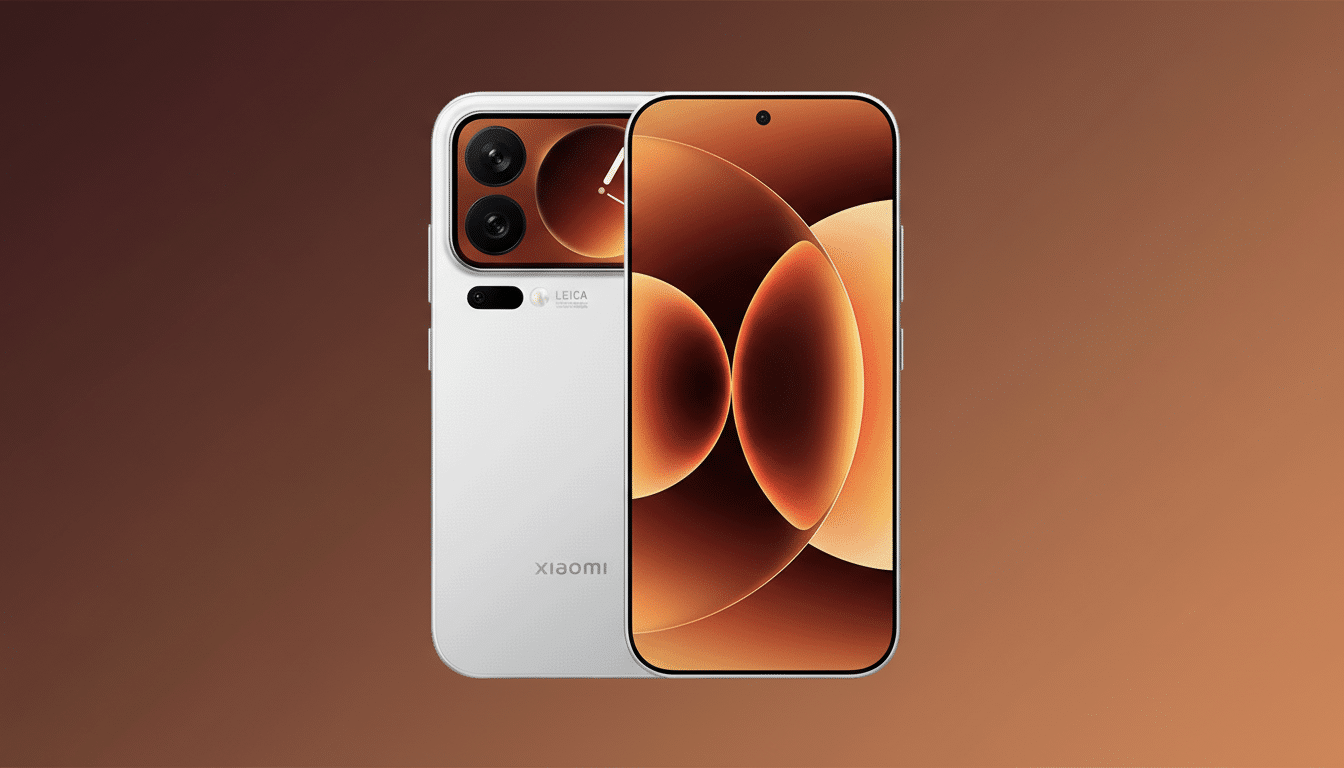
The standard Xiaomi 17 should benefit from that camera-first DNA too, even if it sits a rung below the Ultra. If Xiaomi maintains its recent cadence, expect strong main-sensor output, improved HDR processing, and competitive portrait results that punch above the spec sheet.
Pricing strategy and market context for global launch
Holding the line on European pricing is a notable move. Component costs and currency fluctuations have pushed many brands to inch prices upward, particularly in the premium tier. By matching the prior generation’s tags, Xiaomi keeps the 17 squarely competitive with rivals. For context, Samsung’s top-end flagship typically starts around the mid-€1,400s in many EU markets, while Google’s premium Pixel often undercuts that range but offers fewer high-capacity RAM and storage configurations than Xiaomi’s Ultra.
If the leak holds, Xiaomi’s lineup would cover a wide span: a €999 entry point for buyers who want flagship performance without the halo tax, and a maxed-out Ultra configuration that caters to power users and camera enthusiasts who treat their phone as a primary imaging tool.
What to watch next as Xiaomi 17 expands worldwide
All eyes now turn to official confirmation and whether Xiaomi couples the global rollout with region-specific bundles or extended warranty perks—tactics the company has used to raise perceived value in past launches. Also worth tracking: charging specifications for global models, which sometimes differ from Chinese variants due to certification ecosystems.
Bottom line: credible retail intel suggests Xiaomi is poised to take its camera-focused 17 series worldwide very soon, with pricing discipline and ambitious imaging as the twin pillars. If battery efficiency lives up to recent form, the modest capacity changes shouldn’t blunt what looks like a compelling flagship entry for global buyers.
