


I never would have guessed a projector company could make the sexiest smart glasses I’ve tried, but after testing XGIMI’s first-gen Memomind lineup, they made me rethink what was possible in the category.
The flagship Memo One combines bright waveguide displays with a spry AI assistant and an unexpected fit that somehow puts very little pressure on your face, while two less bulky models are optimized for all-day wear. In a room crowded with flashy demos, they were the pair of glasses I didn’t want to take off.
- Hands-on impressions of the flagship Memo One smart glasses
- Why weight and optics matter for comfort and everyday usability
- An AI layer that feels genuinely helpful in day-to-day use
- Two more models tailored for lighter wear and audio-first needs
- Navigation, notes, and everyday workflows that actually help
- Price and early verdict after hands-on with Memo One
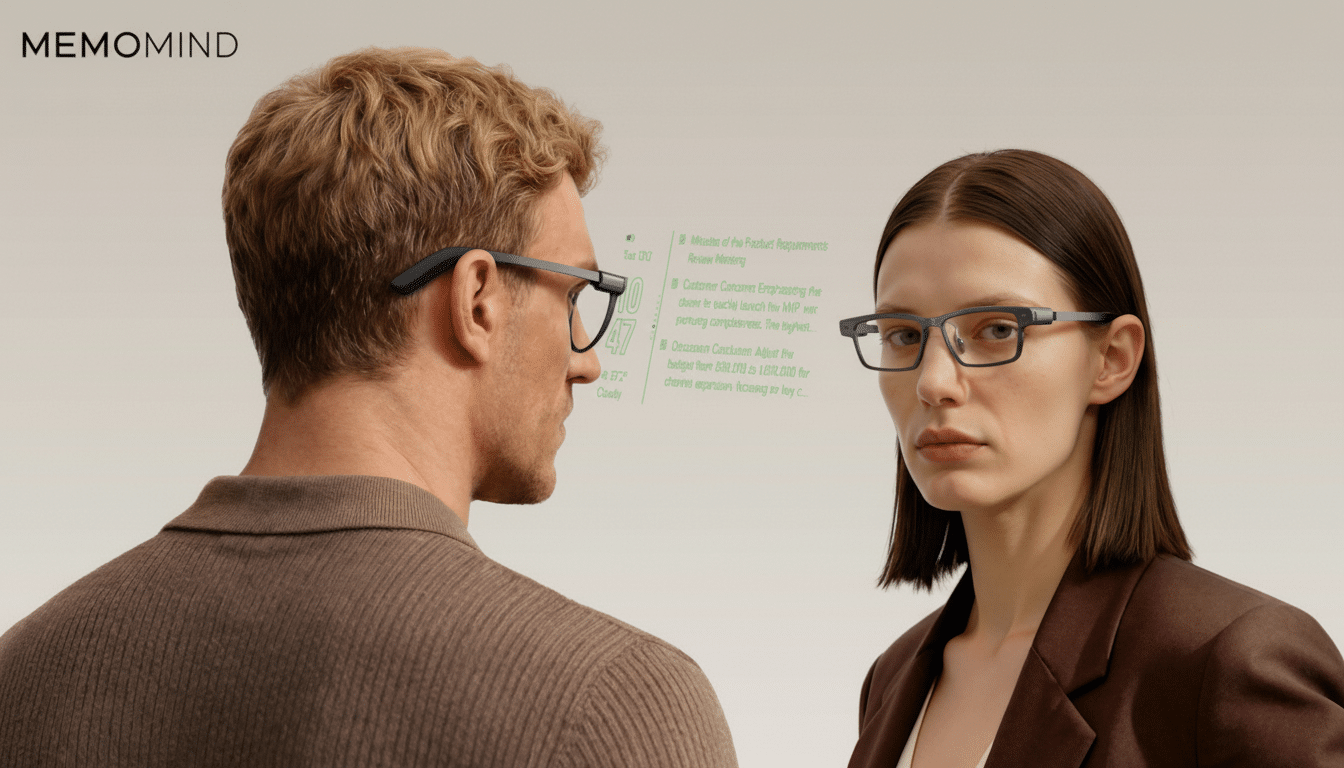
Hands-on impressions of the flagship Memo One smart glasses
The Memo One is the full-featured model, with a separate display in each lens that is powered by waveguide prisms. Inside, text and UI elements were crisply defined with none of the haze you see on lower-end optics. Tilt your head up quickly and a widget dashboard presents itself: calendars, notes, reminders, and a clock displayed in pane-like arrangements that you can mix around inside the companion app.
Built-in speakers and beamforming microphones round out voice-first communication. Assistant is a hybrid multi-LLM system, which among other things routes requests to the model that’s best suited for the task at hand and can utilize providers including OpenAI, Azure, and Qwen. In my demo, translation and AI search worked dependably; the brief pauses in searches were more related to show-floor Wi-Fi than processing lag.
But above all is how it fits.
The frames are well balanced, with weight evenly distributed across the nose bridge and the temples. It’s not just a matter of practicality: Try a few AR pairs and you’ll notice gaps, hot spots, and front-heavy designs that send them back to the case by lunch.
Why weight and optics matter for comfort and everyday usability
Smart goggles make or break on comfort. Consumer weight averages fall between around 45g and 80g: Ray-Ban’s camera-equipped models are about 50g, while popular tethered offerings such as the Xreal Air tip closer to 79g; even XGIMI’s lightest offering to date — the Memo Air Display — hits an impressively low 28.9g, bringing it in line with standard eyewear. That sub-30g stat isn’t merely something that looks good on a spec sheet; it significantly reduces slip-offs and nose fatigue during long periods of wear.
Optically, waveguide prisms allow for a thin frame while providing a usable field of view and good brightness for inside environments. The Memo One’s binocular strategy provides more organic alignment for reading and heads-up prompts than single-eye overlays. Text stayed sharp in typical conference room lighting, while the UI didn’t suffer from that rainbow effect that can distract on a (not as good) waveguide setup.
An AI layer that feels genuinely helpful in day-to-day use
The assistant is more than a mere wrap around a single chatbot. By actively selecting among models — which, in a similar vein to what Rokid explains for its latest glasses, is essentially how requests are carried out by Memomind — the latter can prioritize speed to fetch rapid replies and shift toward a more powerful model when faced with complex problems. In effect, that translated into giving near-seamless control of note dictation, on-device reminders, and translation with no more than a wake command — or tap.
Important to note: no outward-facing camera on the Memo One. That’s a manageable compromise that weighs toward social acceptability and battery life over hands-free photography. In a world where camera glasses are still a controversial topic, such design choices make these much more acceptable to don without eliciting stares.
Two more models tailored for lighter wear and audio-first needs
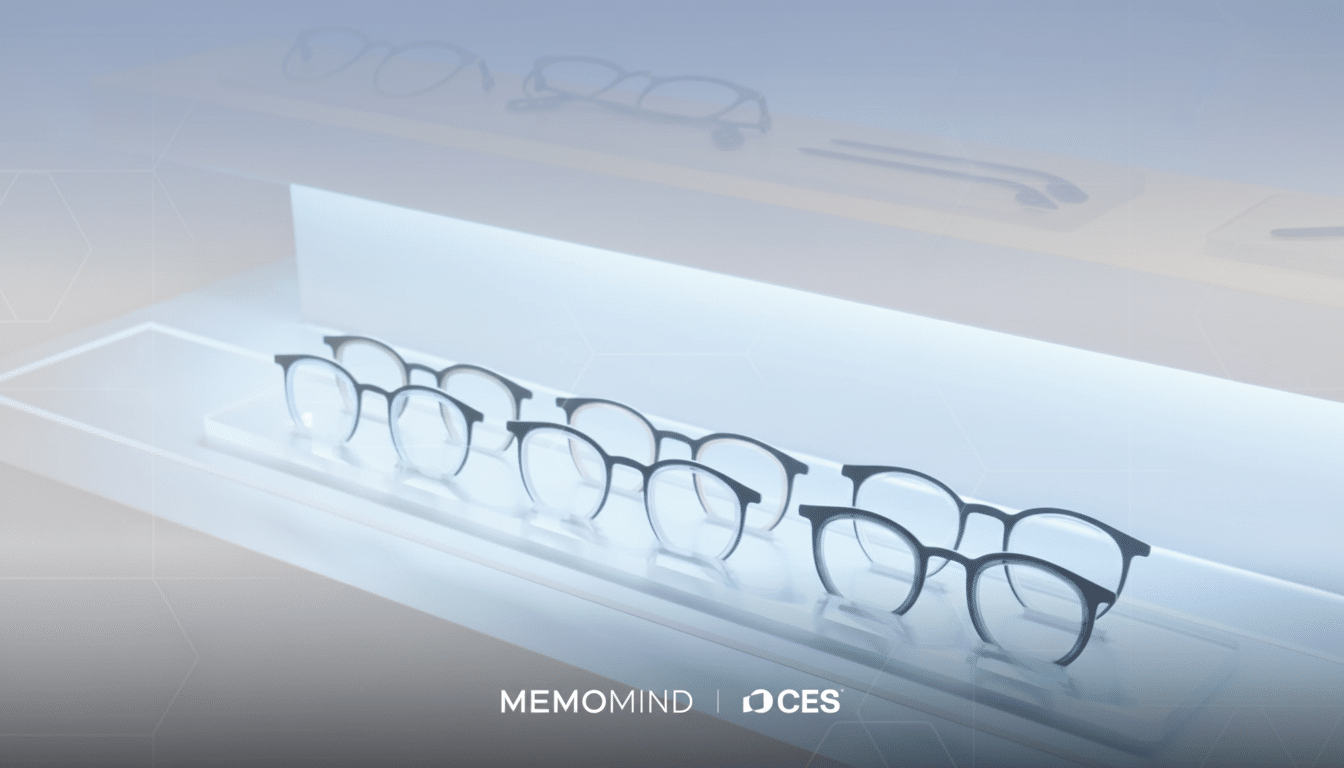
XGIMI’s Memomind family includes three devices: Memo One, Memo Air Display, and Memo Air. The Air Display, meanwhile, is that featherweight unit with a single-lens display and similar AI smarts — perfect if you want the lightest possible frame bearing glanceable info only. The Memo Air zeroes in on audio-first assistance, featuring speakers placed in the temples and no lens display, tailored to those who prefer voice prompts and turn-by-turn guidance without a screen.
Each model is introduced in multiple frame styles and six colorways, with the option for prescription. XGIMI claims an all-day battery in addition to a charging case, another pragmatic must-have for any wearable product you’re going to treat like ordinary eyewear.
Navigation, notes, and everyday workflows that actually help
The main tools map to daily needs: on-the-fly translations when you’re in another country, voice notes that auto-transcribe directly into the app, contextual reminders, and AI queries that send answers to your field of vision. There’s Google Maps support on the way — a crucial feature as turn-by-turn overlays are where heads-up displays like these can really outshine your phone.
By comparison, camera-forward glasses like Ray-Ban’s are strong at capture and live sharing of life moments; display-first sets from Xreal or Rokid make great media viewers. Memomind is shooting for a third lane: lightweight, notification-forward productivity with a visual layer that adds to (rather than replaces) your phone.
Price and early verdict after hands-on with Memo One
The Memo One is priced at $599 before adding prescription lenses. If XGIMI can ship with rock-solid Maps support, the assistant’s routing as smooth as it is in the demo video and if these last all day, it might be one of the first sets I would recommend today to wear daily. The true story here is not that a market newcomer has delivered something smoother and more comfortable than many of these veteran brands, but that, finally, this category is getting at least a delicate touch better than it deserves.
