


XGIMI, the maker of household projectors under that name, is entering the wearables market with a trio of smart glasses that double down on personalization and leave out the camera. The new Memomind trio — Memo One, Memo Air, and Memo Air Display — revolves around customizability, with prescription-ready lenses, multiple frame styles and colors, and displays plus an AI assistant that appear where you need them on a day-to-day basis.
Full-Lens and Frame Customization Across the Lineup
At the high end, the Memo One uses waveguide prisms to project clear overlays onto both lenses. The on-glasses dashboard is customizable via a companion app — pin notes, reminders, and widgets beside the time and date — which you can bring up with a helpful head-tilt gesture. It’s a minor detail that makes the interface feel less like a gadget and more like eyewear you might actually live with.
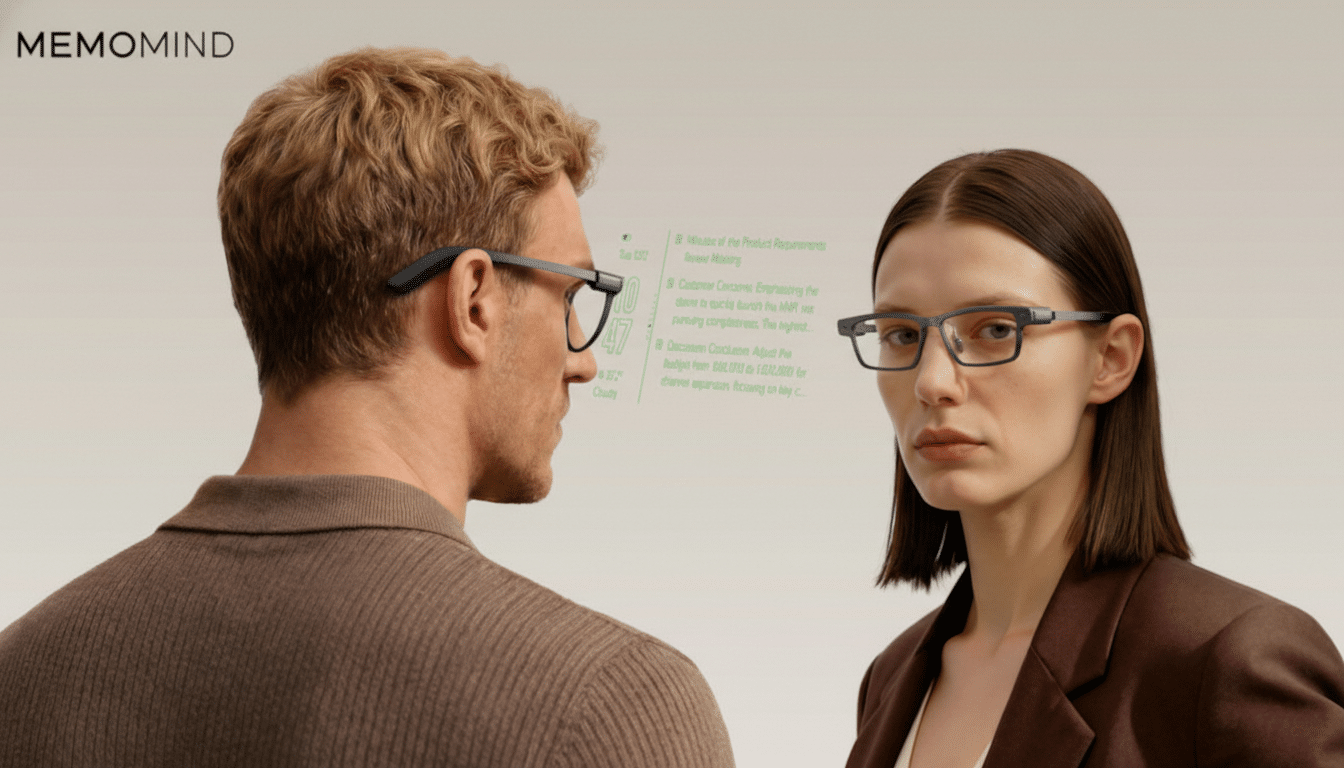
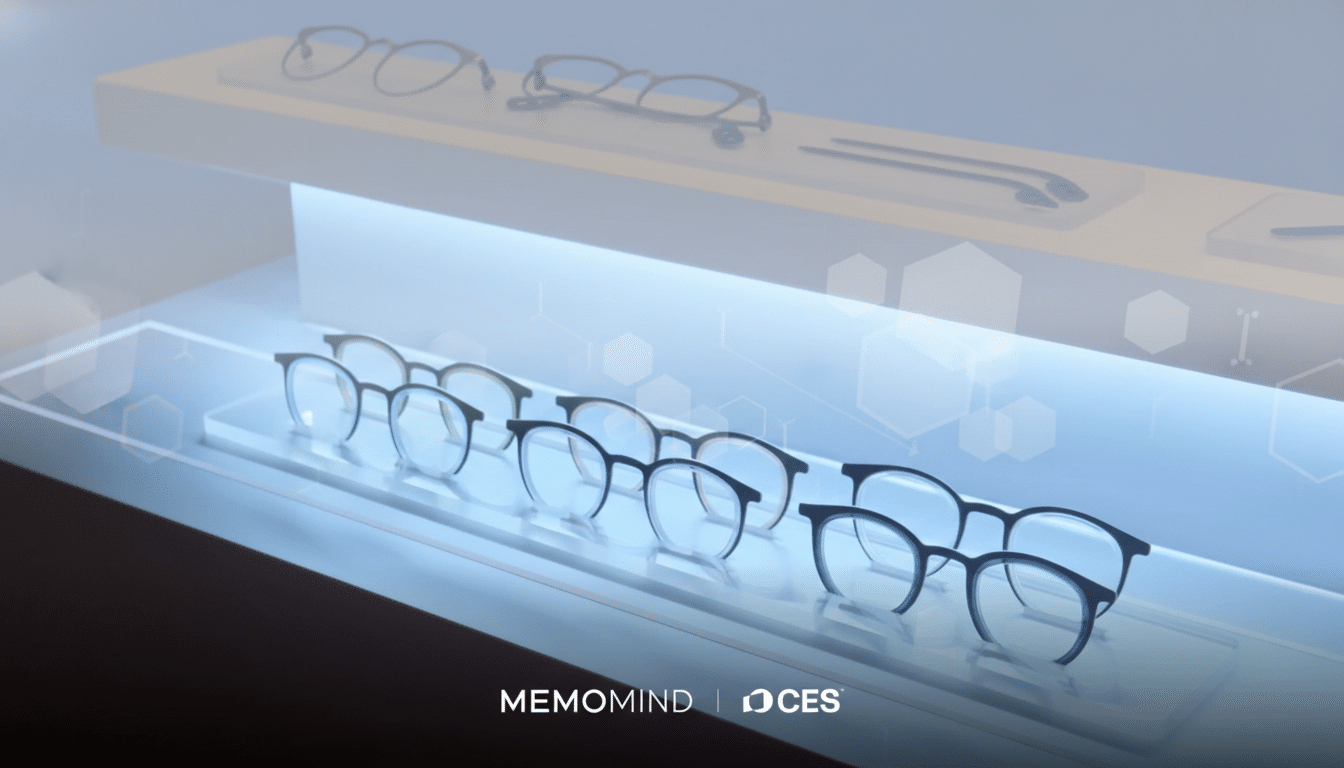
On the hardware side, XGIMI provides three frame styles and six colorways out of the box, with prescription lenses optional. That’s crucial: analysts from CCS Insight and Deloitte have consistently cited comfort, fit, and visual correction as make-or-break factors in the uptake of smart eyewear. If a device begins life as a good pair of glasses, it stands a decent chance of becoming a good pair of smart glasses.
Everyday Experience Without the Camera Creep Factor
Contrasting with camera-forward models that trigger privacy fears, the Memomind series goes all in on displays and audio. A two-lens HUD on the Memo One feels bright and readable in standard indoor light, yet the frames are discreet enough to get away with wearing as everyday specs. The Memo Air Display sheds even more heft, externalizing a single display on one lens and weighing just 28.9 grams — within standard eyewear territory and far lighter than most AR viewers.
For people who want voice assistance and calls with no screen, the Memo Air features speakers and mics but no display at all.
This three-tiered approach results in three specific use cases:
- A full HUD for information at a glance
- A single-lens minimalist option to reduce the load
- An audio-first model for simplicity
AI Assistant, but Make It Multi-Model Smarts
XGIMI’s onboard assistant draws on a hybrid AI stack that can route requests to various large language models (including ones from OpenAI, Azure, and Qwen) depending on the task. That includes translation, note-taking, reminders, contextual assistance, and search — all a voice command away — with the system picking out the best engine for each task. Rokid has embraced this same “right-model-for-the-right-task” strategy in its new glasses — which used to be a radical idea and is now an indication of how fast multi-model orchestration is becoming table stakes.
In early demos, translation and AI queries seemed to respond naturally, with only the faintest hitch that appeared to be due more to network latency than a clumsy interface — a trade-off we’d gladly accept for cloud-based AI. Navigation is on the roadmap, in the form of Google Maps integration, which would bring the glasses closer to a true heads-up assistant for city walking and transit.
Lightweight Construction and All-Day Claims
XGIMI’s frames are made to be worn all day, with open-ear speakers and beamforming microphones that leave ears unsealed and the surrounding area audible. The Memo One should last a full day with the assistance of an included charging case, according to the company. That mimics the battery design of flagship audio glasses and true wireless earbuds, which use case top-ups rather than massive batteries on one’s face.
There is a subtle breakthrough here on weight. For the most part, consumer AR viewers and mixed-reality headsets continue to exceed comfortable levels for long-term use. By keeping the Air Display below 30 grams and the Memo One in a lightweight category, XGIMI is following what opticians and ergonomics researchers have long recommended — that glasses one might use for hours on end need to feel like, well, glasses.
Pricing, Availability, and Wider Market Context
The Memo One is priced at $599, and prescription lenses can be ordered for an additional fee. Preorders will open, with color and frame options at launch. That pricing puts it squarely between audio-only glasses and more obtrusive AR viewers, with a feature mix that leans toward understatement and utility rather than spectacle.
The bigger picture is clear: Meta’s Ray-Ban line has more or less mainstreamed the concept of smart glasses for everyday use, but its camera-forward (and screen-laden) approach doesn’t quite cover all the ground when it comes to capturing content and experiencing glanceable computing. XGIMI is going the other way — screens that are readable in daylight, no camera to startle onlookers, and frames you can customize to match your face. The consensus seems to be that it’s about comfort, looks, and obvious utility — not annoying you or being too expensive — for smart eyewear to go from niche to mainstream. “It will need real reason-to-buy,” Counterpoint Research analyst Tom Kang said. Customization is the bridge.
This is the rare launch that isn’t seduced by futuristic theatrics. Instead, it hones the fundamentals: fit, vision, audio, and a heads-up panel that helps more than hurts. If XGIMI can nail production quality and software polish, Memomind could be the go-to recommendation for anyone who wants smart glasses that look and feel like glasses — and work like a silent, capable assistant.
