


A sudden surge of outage reports hit X, briefly knocking parts of the service offline for many users before access began to stabilize. Reports poured into crowdsourced trackers, and users described stalled timelines, login hiccups, and error pages when attempting to load the platform.
What we know about X’s outage and early signs of recovery
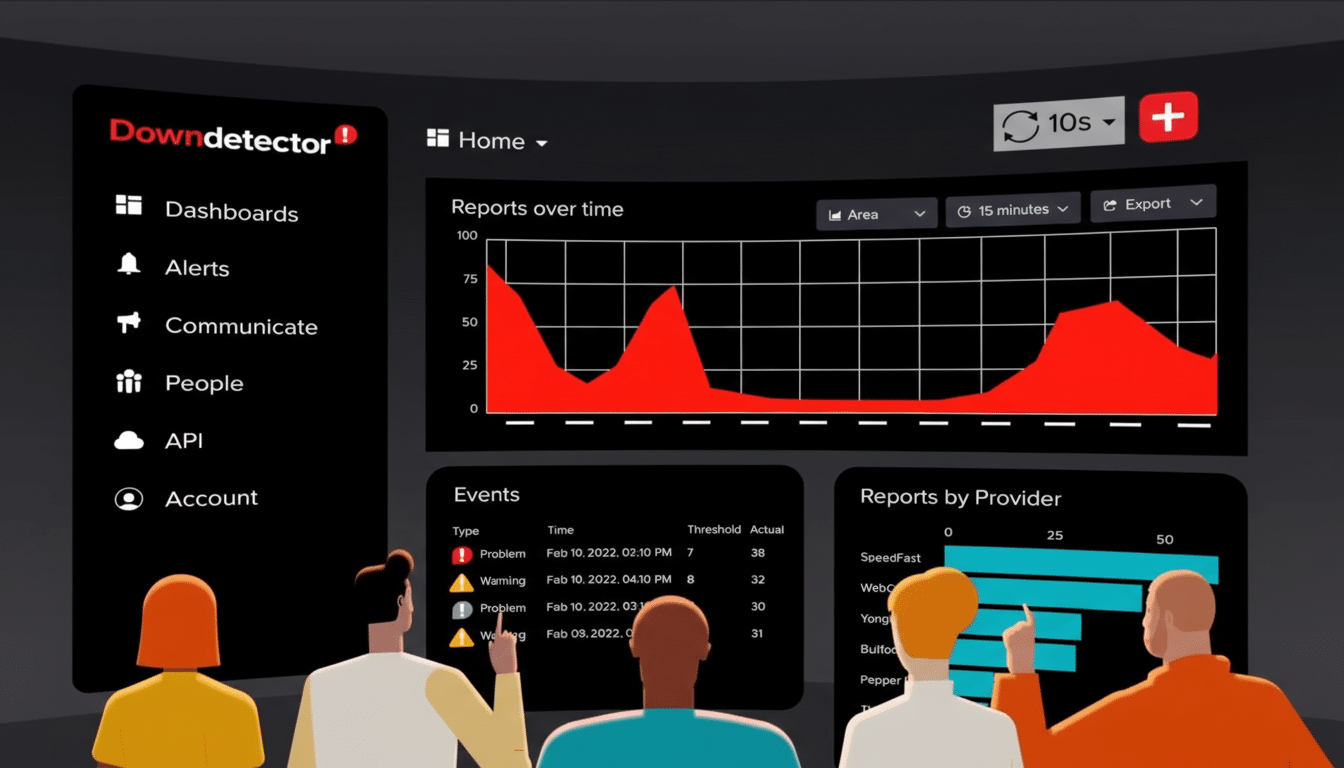
Outage tracker Downdetector showed a sharp spike in user complaints, suggesting a widespread but time-limited disruption. Symptoms varied by platform: on the web, some users encountered a “Connection timed out: Error code 522,” while the mobile app interface opened but failed to refresh with new posts. Others reported an on-screen prompt stating, “Oops, something went wrong. Please try again later” when attempting to sign in.
- What we know about X’s outage and early signs of recovery
- What the error codes suggest about X’s connectivity issues
- Scope and impact of the disruption across the platform
- Company response and next steps as access stabilizes
- What users can do if problems persist on X today
- Why outages like this happen on large social platforms
As reports climbed, access began to return for many, though a subset of users continued to encounter intermittent errors. Early signs indicate the issue affected both browsing and core actions such as loading timelines and authenticating sessions.
What the error codes suggest about X’s connectivity issues
The 522 error commonly appears when Cloudflare—used as an edge and security provider—can reach its own network but cannot complete a timely connection to the origin server. In plain terms, Cloudflare was up, but the handoff to X’s servers timed out. That points to issues such as an overloaded origin, a transient network path problem, misconfigured firewall rules, or a routing change between the edge and the host.
There is no immediate evidence that the disruption was caused by a broader internet outage or a coordinated attack. Historically, similar episodes at large platforms trace back to configuration errors, traffic spikes, or upstream provider hiccups rather than malicious activity. Cloudflare’s public status typically distinguishes between edge incidents and origin connectivity problems; in this case, the error messaging indicated normal edge operations with the problem at the host.
Scope and impact of the disruption across the platform
Crowdsourced data often clusters around population centers, so the geographic heat map is not a perfect proxy for true impact. Even so, the volume of reports and the consistency of symptoms suggest a platform-level issue rather than a localized ISP fault. Key user-facing effects included frozen feeds, failed post submissions, and login errors—functions that rely on timely communication with application backends.
The disruption appeared shorter than the multi-hour outages occasionally seen in the past with major web services. Report volumes tapered as connectivity returned, a pattern that aligns with rollback of a configuration change or recovery from a momentary overload of origin infrastructure.
Company response and next steps as access stabilizes
X has not issued a detailed incident report or root-cause analysis. We have requested comment from the company. Cloudflare’s error page indicated its systems were operating normally and that the connectivity problem lay with the host, reinforcing the likelihood of an origin-side issue.
Absent official confirmation, the most plausible explanations remain routine—network changes or server-side constraints that temporarily severed or slowed the path between the edge and the application. If a formal postmortem arrives, it should clarify whether the trigger was a configuration push, capacity bottleneck, or third-party provider event.
What users can do if problems persist on X today
If you still encounter errors, try a hard refresh on the web, force-close and reopen the app, switch between mobile data and Wi-Fi, or clear cached data and cookies. Avoid repeatedly resetting passwords during an outage, as authentication can fail even with correct credentials. Be cautious of unsolicited prompts or third-party pages requesting logins while service is unstable.
For situational awareness, compare your experience with independent monitors such as Downdetector and official support channels. Consistent reports across regions typically indicate a platform-side problem rather than a local connectivity issue.
Why outages like this happen on large social platforms
Modern social platforms rely on distributed edge networks, microservices, and real-time data pipelines. A small misconfiguration or a surge in traffic in one layer can ripple through authentication, feeds, media delivery, and notifications. Content delivery and DNS providers generally improve resilience, but they also add dependencies that need tight coordination during updates.
The bigger takeaway: occasional instability is a reality for any large-scale service. Transparency around root causes and preventive measures—capacity planning, failover testing, and staged rollouts—helps users and developers gauge reliability. We’ll watch for an official account of what went wrong and how the platform intends to prevent a repeat.
