


X has moved to ban “InfoFi” crypto projects that pay users to post, citing a surge of low-value AI content and reply spam overwhelming conversations on the platform. The decision, announced by X head of product Nikita Bier, targets post-to-earn schemes that plugged into the service via its developer API and incentivized users to flood feeds with engagement-bait for token payouts.
The crackdown marks X’s latest attempt to curb industrialized engagement farming as the company seeks to boost signal over noise. It also lands squarely in the middle of a long-running culture clash on Crypto Twitter, where daily “gm” rituals and bot-like replies have collided with X’s push for higher-quality posts and credible creators.
Why X Is Targeting InfoFi Projects For Platform Spam
InfoFi, short for Information Finance, refers to Web3 models that reward users for sharing, curating, or amplifying content. In theory, that aligns incentives for community building. In practice, X says the model devolved into token-driven spam, with AI-generated “slop” and repetitive replies swamping threads simply to earn micro-rewards. The result: degraded timelines, lower trust, and a worse experience for non-participating users.
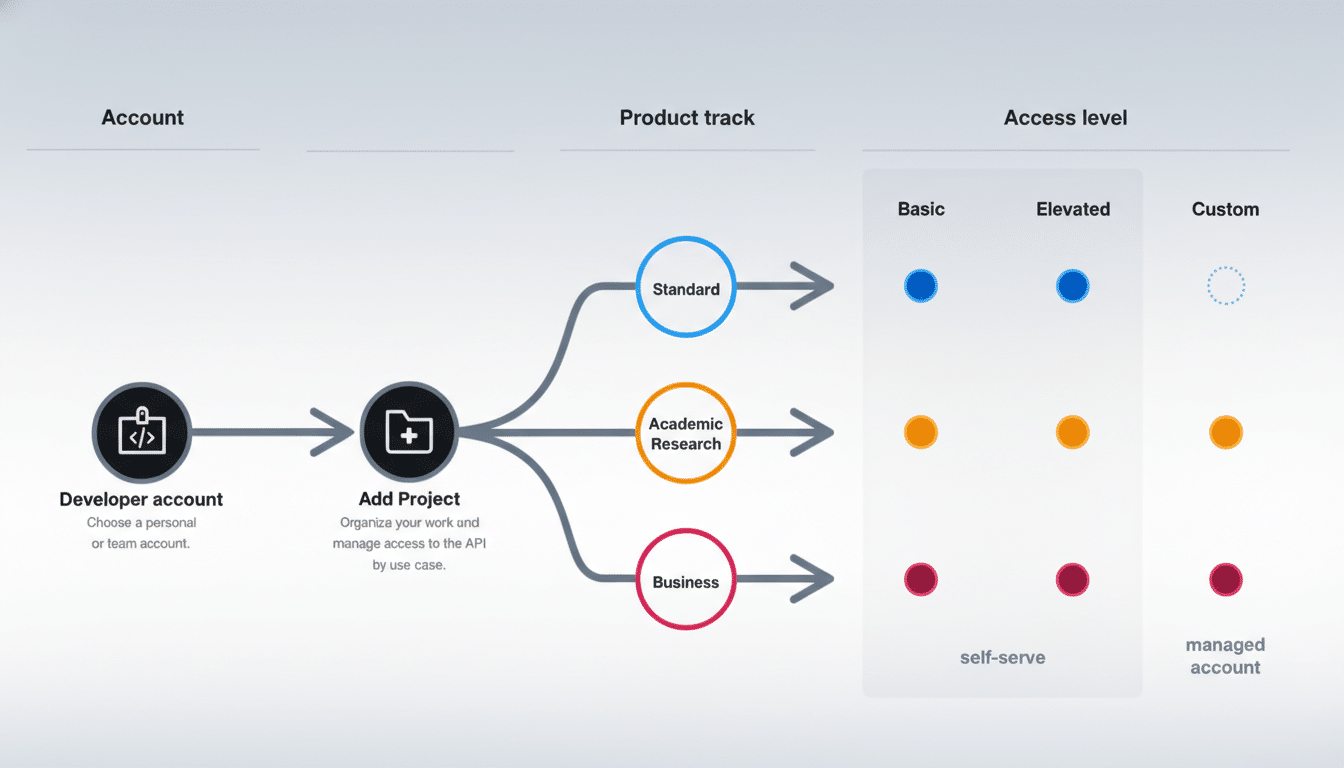
Bier said X has revised its developer policies and revoked API access for affected apps. Without programmatic posting and payout mechanics, the engagement farms powering these campaigns should wither, reducing automated replies and content mills that disguise themselves as grassroots conversation.
How The Ban Will Be Enforced Across X’s Developer API
X is cutting off API access for apps that pay users directly for posting or replying on the platform. That effectively disables the core loop for post-to-earn tools: authenticate accounts, track engagement, and dispense rewards. While manual workarounds exist, most scale operations rely on API integrations, so disruption should be swift.
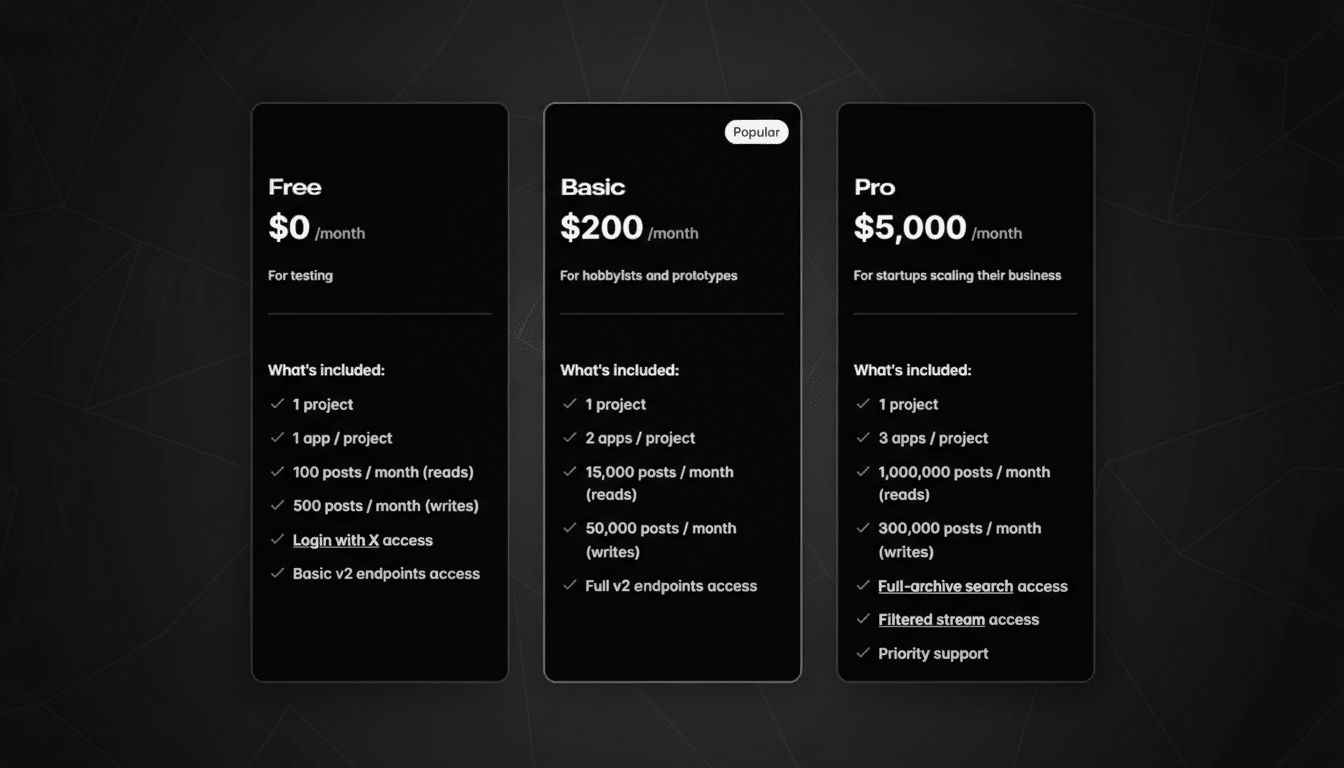
The move builds on earlier policy changes under Elon Musk that tightened API access and introduced paid tiers in 2023, a shift that already forced many bot operators and growth-hacking tools to rethink their economics. By making post-to-earn a disallowed use case, X is now explicitly drawing a line between monetizing audience impact and monetizing raw posting volume.
Immediate Fallout For Crypto Apps After X’s Ban
Markets reacted quickly. Industry outlet Decrypt reported that the token associated with Kaito, a prominent InfoFi platform, fell more than 15% after the announcement. Kaito, which had promoted a product called Yaps that paid users to post on X, said it would sunset the app in response to the policy change.
Other InfoFi and “post-to-earn” initiatives are likely to pause or pivot. Projects that rely on incentivized reposts, templated replies, or AI-assisted comment blasts will face a tougher path to reach users on X. Some developers may migrate activity to rival social networks or to decentralized social protocols that tolerate tokenized engagement, though those ecosystems have far smaller reach.
Signal Versus Noise On Crypto Twitter After Policy Shift
The policy comes amid brewing tensions between X and parts of the crypto community over low-effort engagement. Bier has recently criticized the wave of identical “gm” responses and other formulaic replies that seek algorithmic boosts without adding substance. For creators and analysts trying to discuss markets, regulation, and on-chain data, the noise is more than an annoyance—it can bury legitimate insights.
Researchers and watchdogs have long warned that token incentives can distort discourse. When the reward is tied to posting frequency rather than accuracy or originality, AI-generated filler becomes rational behavior. That dynamic is visible across crypto Telegram groups and some Discords; bringing it at scale onto a public feed threatens overall content quality and advertiser confidence.
What Comes Next For Developers And Users
Projects built around rewarding high-quality research, curation, and genuine expertise may still find room to operate—just not by paying users to spray content on X. Expect a shift toward off-platform tasks, gated communities, or reputation systems that verify originality and human effort. Bier even quipped that developers who lost access could try competitors like Threads or Bluesky, a pointed reminder that X prefers organic contribution over subsidy-driven chatter.
For everyday users, timelines should gradually become less cluttered as automated accounts and opportunistic posters realize the payout spigot is closed. The bigger question is whether X can tilt incentives toward thoughtful participation—rewarding analysis, newsworthy scoops, and real conversation—without dampening the spontaneity that made Crypto Twitter influential in the first place.
Either way, the message from X is explicit: token-fueled reply spam and AI slop are no longer just moderation nuisances; they are policy violations. And for InfoFi projects, the experiment of paying people to post on X has reached its end.
