


A Los Angeles passenger said she discovered a man in the trunk of a Waymo robotaxi, an alarming incident that was caught on video and sent to a local TV station. The episode, in which the rider challenged the man before the car drove off, is bringing fresh scrutiny on how autonomous vehicles are secured between rides and how companies ensure that a vehicle is empty when they go to pick up a passenger.
What We Know About the Trunk Encounter in Los Angeles
The woman recorded the incident after she noticed movement in the back of a self-driving car, according to a Fox affiliate in Los Angeles. She asks the man in the trunk why he is there during the video. He answers that “they” placed him there, without naming who. No police were called to the scene, and no arrests were made, according to the station.
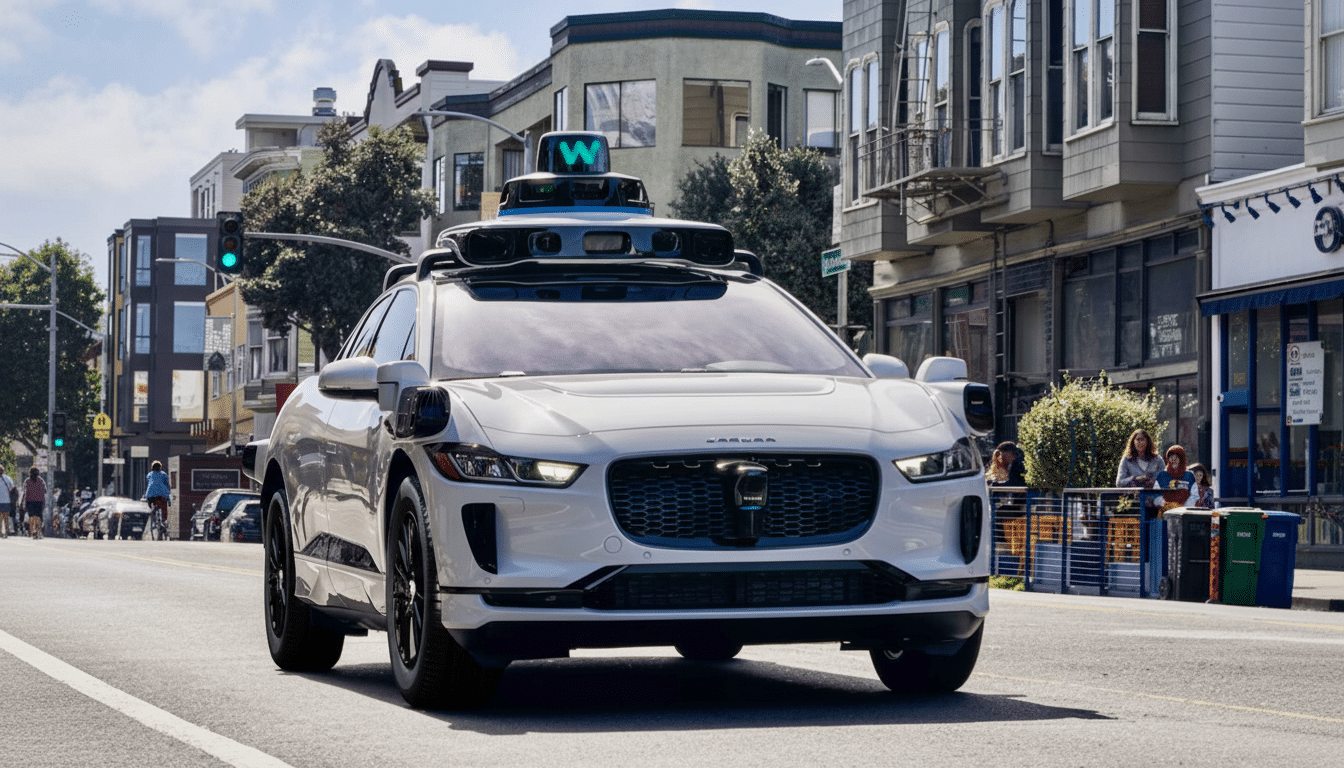
The episode was not caused by a crash or software error. It is, rather, drawing attention to a more human issue: what does access to a vehicle look like without a driver? It’s an unusual problem beyond these sorts of bog-standard conversations about autonomous safety—what happens when traffic isn’t behaving incorrectly, and there aren’t any errors in sensor perception or software reliability.
A New Robotaxi Safety Risk Highlighted by Incident
Waymo pitches rider-only service as a safer option than human ride-hailing, especially for people who are traveling alone. Safety numbers issued by companies in the ride-hailing industry have detailed thousands of sexual assaults over multiyear periods, driving home the reason some passengers would prefer a driverless option. But the trunk incident raises a separate issue: that of interim storage—for use as a delivery car, where it would store packages between deliveries.
Autonomous fleets, like those of Waymo, are supervised by the California Public Utilities Commission and the National Highway Traffic Safety Administration, and the company has publicly reported tens of millions of autonomous miles as well as millions of rider-only miles delivered. Most safety discussions focus on how often a car crashes and how well the software performs. It’s harder to put a number to physical intrusion, but it is just as important when it comes to public trust in driverless service.
Security experts focused on transportation say unattended, networked cars demand layered safeguards: physical locks, tamper detection, constant monitoring, and a protocol for responding to incidents. Fleet managers usually depend on remote monitoring personnel, camera systems, door and hatch sensors, and operational protocols to guard vehicles. A person in a trunk indicates at least one of those layers has broken down, or a situation the system didn’t foresee.
How Do You Get Access to a Robotaxi’s Trunk?
Most new cars feature interior emergency trunk releases, as well as external lock controls accessible through a push of a fob button, phone app, or physical key. For a fleet of driverless cars, the hazards concentrate when the car is parked, staged for pickup, or recently vacated. If a hatch sensor malfunctions, or if a latch is compromised, or even if someone sneaks on board during the handoff, onboard systems may not alarm over unauthorized presence—especially if they’re not calibrated to sense human heat signatures or movement in the cargo area itself.
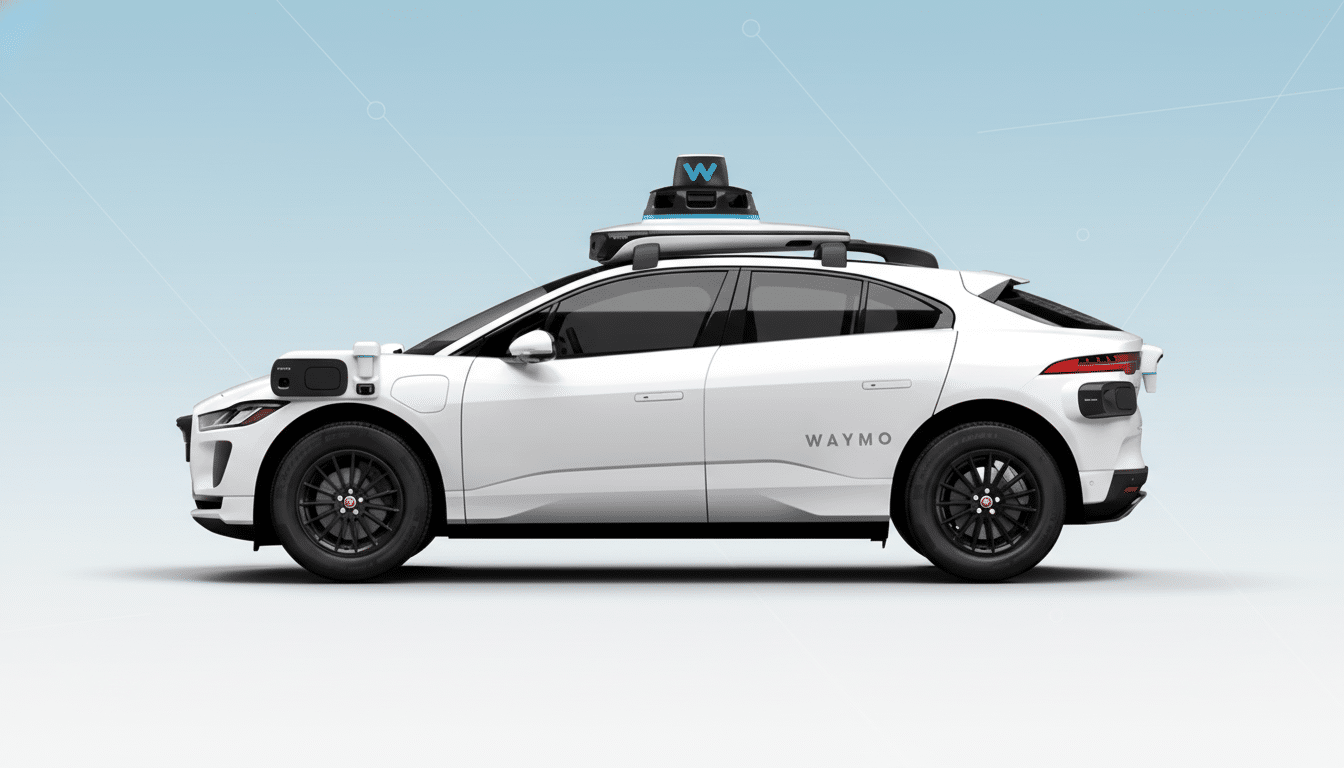
Analysts say that simple measures could help eliminate the risk: mandatory pre-pickup hatch checks, weight or motion sensors in a trunk, regular high-resolution internal scans, and automated alerts if a trunk is opened between dispatch and arrival. Those tools are available in other industries, from delivery robots to fleet management, and could be tailored for passenger AVs.
Waymo’s Role And Steps To Ensure Rider Safety
Waymo has said that it puts safety first as it expands service in Los Angeles. The company, which did not release a statement related to this particular report, says in its public-facing documents that it has 24/7 fleet monitoring, a rider support line, and in-car Help controls. If something feels awry—such as a hatch that is unexpectedly open—riders can cancel the trip, contact support through the app, or call 911.
Practical rider tips for safety checks
- Let the vehicle come to a complete stop in a well-lit area before approaching.
- Do a quick visual sweep, including a glance through the rear cargo window.
- Match the license plate and vehicle name with what appears in the app.
- Report any discrepancies or concerns immediately.
For operators, a clear post-incident process—vehicle recovery, root-cause analysis, and transparent results—can go a long way toward rebuilding trust.
A Note About Edge Cases in Autonomous Driving
The Los Angeles trunk encounter joins a collection of strange stances that have challenged self-driving cars in urban environments, which includes navigating emergency scenes and interactions with police activity. Regulators and scientists frequently refer to these as “long-tail” events—low-probability but high-consequence circumstances that require technical and operational resilience.
Autonomous driving looks good on many conventional metrics but the real race will be won and lost in the gaps between code and sensors. Preventing anyone from being able to get into—or stay concealed within—a driverless car may be as essential to rider confidence as how the vehicle handles an all-way stop. Following this harrowing discovery, prepare for heightened scrutiny of how robotaxis are locked up between trips and the speed with which operators can spot and repel unwanted intrusion.
