


I scoured Insider builds, developer notes, and credible reporting to differentiate wishful thinking from what seems increasingly likely for the next edition of Windows. So the throughline is pretty clear: Windows 12 looks to be an AI-first operating system, with Copilot at its heart, a stronger hardware baseline that puts more of a burden on NPUs, and a more modular, maintainable architecture.
Windows 12 aims to be an AI-first OS with Copilot at its core
Microsoft has quietly wired Copilot into the operating system itself—rather than just a chatbot in a sidebar—so it can see context, act on what’s on screen, and automate repetitive tasks. Insider builds are also already teasing wake-word activation, window-scoped “vision” of individual UI elements, and proactive suggestions that prompt actions. Think: highlight a grid in an app, ask Copilot for a chart, and get the right tool’s ready-to-edit result.
- Windows 12 aims to be an AI-first OS with Copilot at its core
- Windows 12 hardware baseline and NPUs drive on-device AI
- Windows on Arm comes of age with faster x86 emulation
- Modular CorePC promises a more secure OS and faster updates
- Windows 12 subscription rumors get a grounded reality check
- Release cadence and what to expect from Windows 12 rollout
- My feature bets for Windows 12 based on current indicators
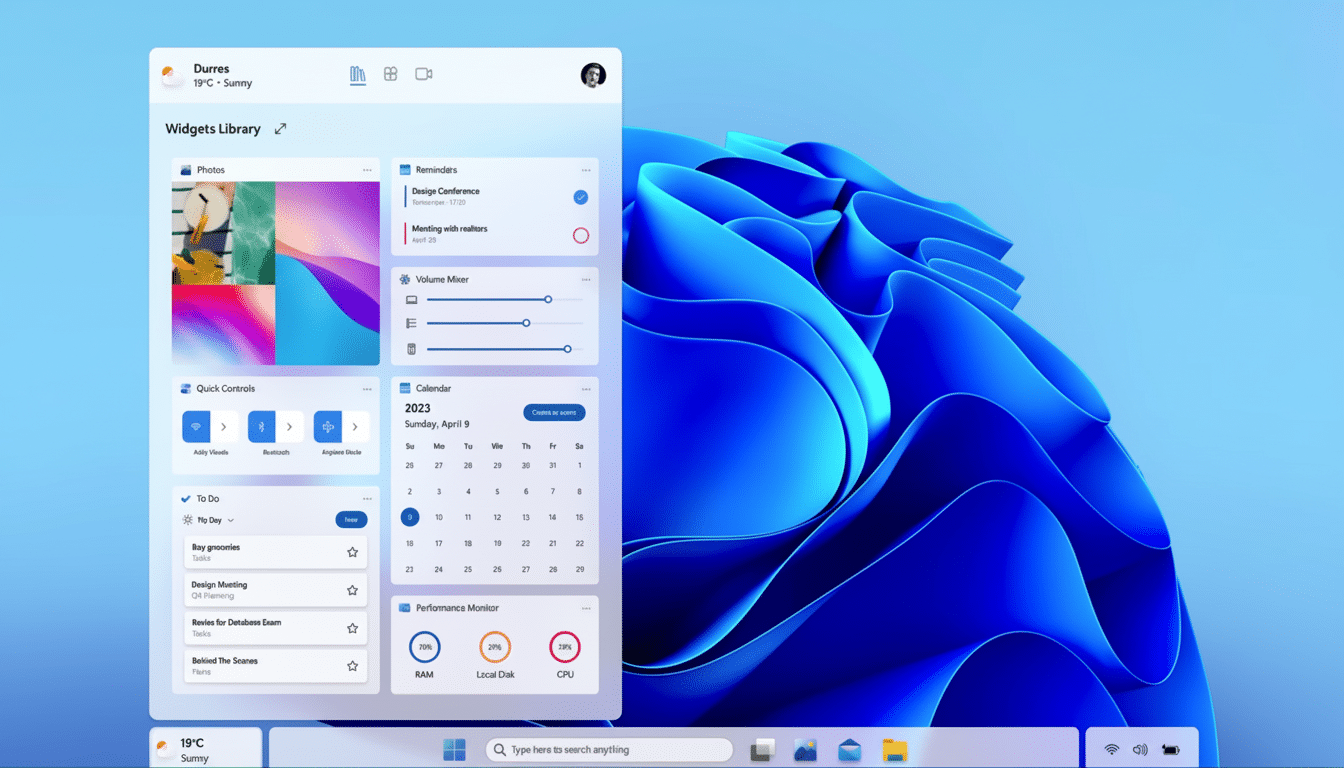
You can expect more of that, only without the huge, God-like cloud in the sky. Microsoft’s Copilot+ PC initiative has a message: if you can, run AI locally. According to the industry, and Microsoft briefings, on-device models have been pointed toward semantic search, image understanding, content summarization, and privacy-preserving workflows. The trade-off is less latency, better offline reliability, and less data exposure.
The question remains how aggressive these agents are going to get. Microsoft says the features are opt-in and come with enterprise-grade controls. And given the previous backlash to “helpful” assistants, expect the company to hammer home transparency, undo, and policy management through Intune and Windows security baselines.
Windows 12 hardware baseline and NPUs drive on-device AI
This is perhaps where Windows 12 could draw the line. Several analysts, including ZDNet’s Ed Bott, have predicted that the flagship experience will be aimed at NPU-equipped systems. That squares, of course, with the current Copilot+ branding that already demands AI silicon known to be capable of in the vicinity of 40+ TOPS. Intel, AMD, and Qualcomm now sell laptop chips with NPUs in that category—i.e., they skate to where the puck is going.
And if you own an older device, don’t worry about it not being able to run Windows—but also don’t be surprised if a marquee feature is held back for AI PCs. We’re already seeing the model in action in Windows 11: semantic search, advanced on-screen comprehension, and “click-to-act” behaviors working at their best (or only operating) on NPU-equipped laptops. Qualcomm, for example, has publicly stated that its Snapdragon X Elite can outscore Apple’s M3 in some benchmarks by up to 21%, and it couples all of that CPU/GPU horseflesh to a killer NPU pipeline.
Windows on Arm comes of age with faster x86 emulation
The Windows on Arm story has taken a turn. Microsoft’s updated platform code and the Prism emulator have made a big difference in x86 compatibility and performance running on Arm laptops in my testing. Everyday usage productivity tools, a growing number of creative apps, and even some development workflows are now possible. Combined with revised silicon from major vendors all pushing more capable NPUs and greater efficiency, it looks like Arm PCs could be the showcase for Windows 12.
Gaming is still the longest pole, but there’s momentum. Compatibility layers and ecosystem investment—some from well-known companies, such as Valve in support of translation efforts—imply a more consistent pipeline of playable titles on Arm over time. If Windows 12 continues at that clip, it finally puts Microsoft on more solid ground against Apple’s close hardware/OS integration.
Modular CorePC promises a more secure OS and faster updates
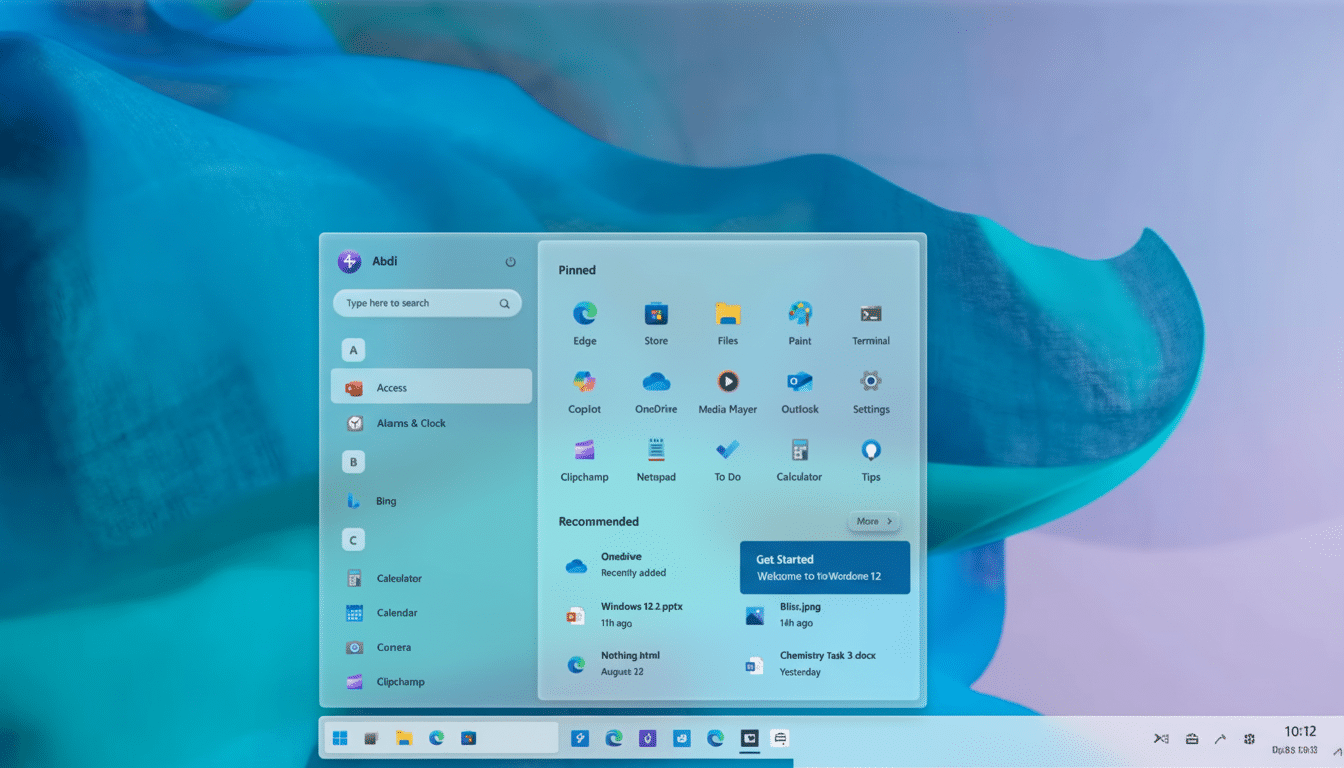
Windows ought to be more serviceable and more secure. Enter the long-leaked CorePC we’ve been hearing about. The concept: divide the OS into cleaner, read-only parts, isolate user data, and allow faster and more reliable updates. Microsoft tested bits of this during the Windows 10X era, and some of that thinking has already landed in the Windows 11 design and update model.
For Windows 12, modularity opens up a larger win: right-sizing the OS for different devices. Lightweight editions for schools and cloud-first PCs may strip legacy parts out of it, but the full-build desktop retains deep Win32 power. When attack surface lowers, security increases, and updates begin to feel more like app-style swaps rather than invasive surgeries.
Windows 12 subscription rumors get a grounded reality check
Code strings in early builds referred to “subscription,” sending the rumor mill off. Context matters. The most likely interpretation is enterprise licensing and cloud-affixed offerings, such as Windows 365 and Microsoft 365 plans. Even Zack Bowden, a trusted Windows watcher at Windows Central, has done his best to douse talk of a broad-based consumer subscription. Microsoft already makes money on Home users through services, the Store, and optional add-ons—without charging anything to boot the OS.
Release cadence and what to expect from Windows 12 rollout
Don’t plan on a “big bang” drop to do all the changing. Microsoft has moved to more incremental (but still more or less annual) updates accompanied by frequent feature flights—Insider builds that frequently offer previews of months of work before general availability. Windows 11 has introduced tabs to File Explorer, updated core apps like Paint and Photos, and layered on Copilot features without a fresh nameplate. Windows 12 will probably maintain that drumbeat, only with deeper AI wiring and more modular underpinnings.
My feature bets for Windows 12 based on current indicators
Here’s where I’d put some chips after reading the tea leaves:
- OS-level Copilot that works across apps and settings
- Local AI on by default for NPU systems
- A more extensive, context-aware semantic search — it knows your files and activity context
- Smarter voice, OS automation, etc.
- Reorganizable OS with faster boot time and cleaner updates
- An Arm-centric, best-in-class x86 translation
The stakes are high. Independent tracking from firms such as StatCounter still shows Windows 10 having a vast installed base, and so anything called Windows 12 will need real, felt benefits if it’s going to change that. If Microsoft marries real performance advantages with more trustworthy, on-device AI and fewer update headaches, the upgrade story tells itself at last.
