


In a twist few awards-watchers saw coming, Wicked: For Good earned zero Academy Award nominations, ending the musical sequel’s run without a single Oscar nod despite months of industry chatter and visible momentum on the circuit.
The outcome jars with the film’s earlier awards traction. For Good picked up five Golden Globe nominations — including recognition for Cynthia Erivo and Ariana Grande, Cinematic and Box Office Achievement, and two Original Song bids — before ultimately leaving that ceremony empty-handed. The Academy has now followed suit, a stark contrast to the franchise’s prior reception.
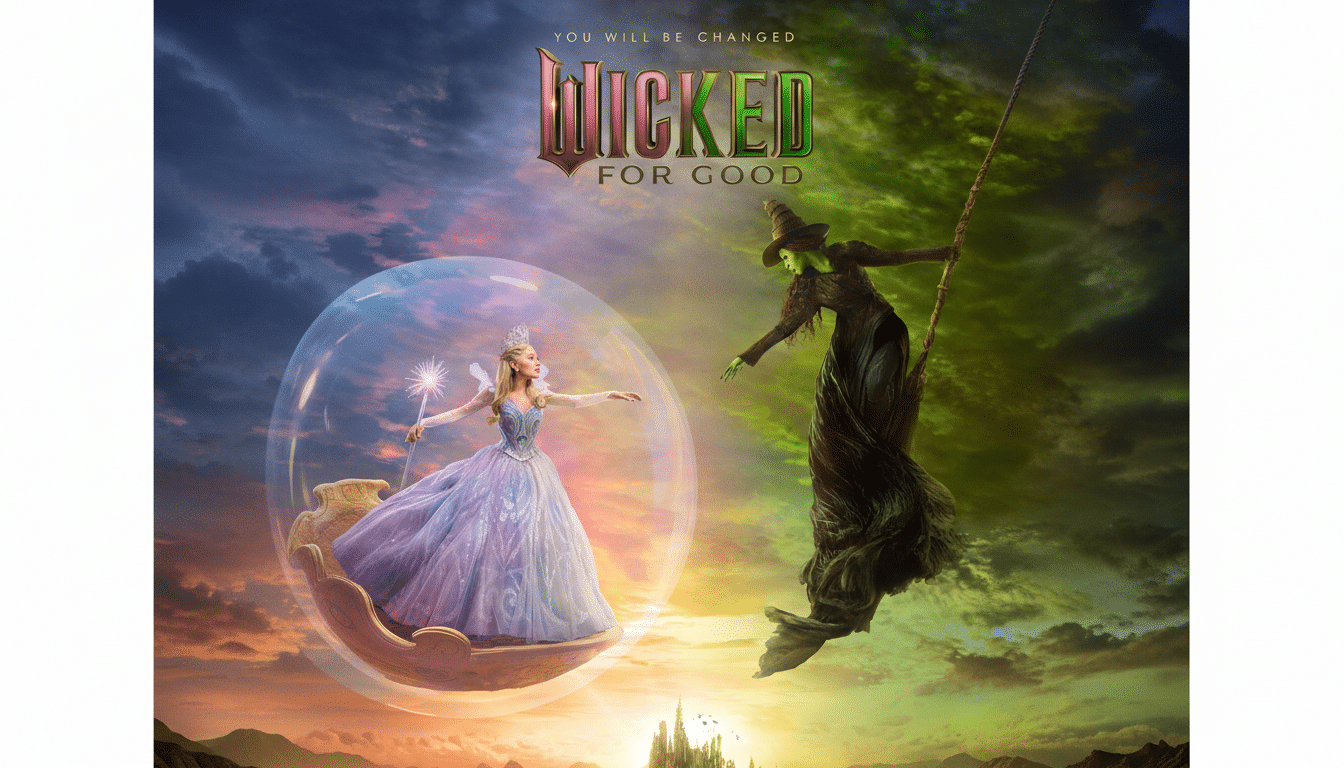
A Surprise Snub For A Hit Musical Sequel
Only a year ago, the first installment of Wicked landed a robust 10 Oscar nominations across categories spanning Best Picture, Best Actress, and Best Supporting Actress, and it converted two trophies for Costume Design and Production Design. Given that track record, many expected the sequel at least to contend in crafts and music, where musicals often show their strength.
Sequels don’t automatically fade with the Academy. Recent history features high-profile part twos recognized across the board: Toy Story 3 broke into Best Picture, Mad Max: Fury Road dominated crafts on its way to six wins, and Dune: Part Two surged in below-the-line categories. Against that backdrop, a total shutout for For Good is more than a mild surprise — it’s a statistical outlier.
Why The Academy May Have Looked Elsewhere
Several forces may have stacked the deck against For Good. First, vote-splitting is a perennial hazard for musicals with multiple original songs; when passion divides, consensus can evaporate. Second, craft branches often face fierce competition from large-scale historical dramas and effects-heavy epics, which can crowd out strong but subtler achievements in sound, editing, or design.
Timing and franchise fatigue also matter. Two-part releases create uneven awards narratives: if the first chapter sweeps up goodwill and trophies, some voters may feel they’ve already “rewarded” the achievement, consciously or not. Seasoned awards strategists often note that sustaining urgency across consecutive years is hard, especially when campaigning collides with other studio priorities.
The Academy’s broadened, more international membership has diversified taste profiles as well. While that evolution has benefited world cinema and genre work, the gains for traditional studio musicals have been inconsistent. Recent musical contenders tend to break through when they appear singular and zeitgeist-defining; sequels face a higher bar to feel freshly essential.
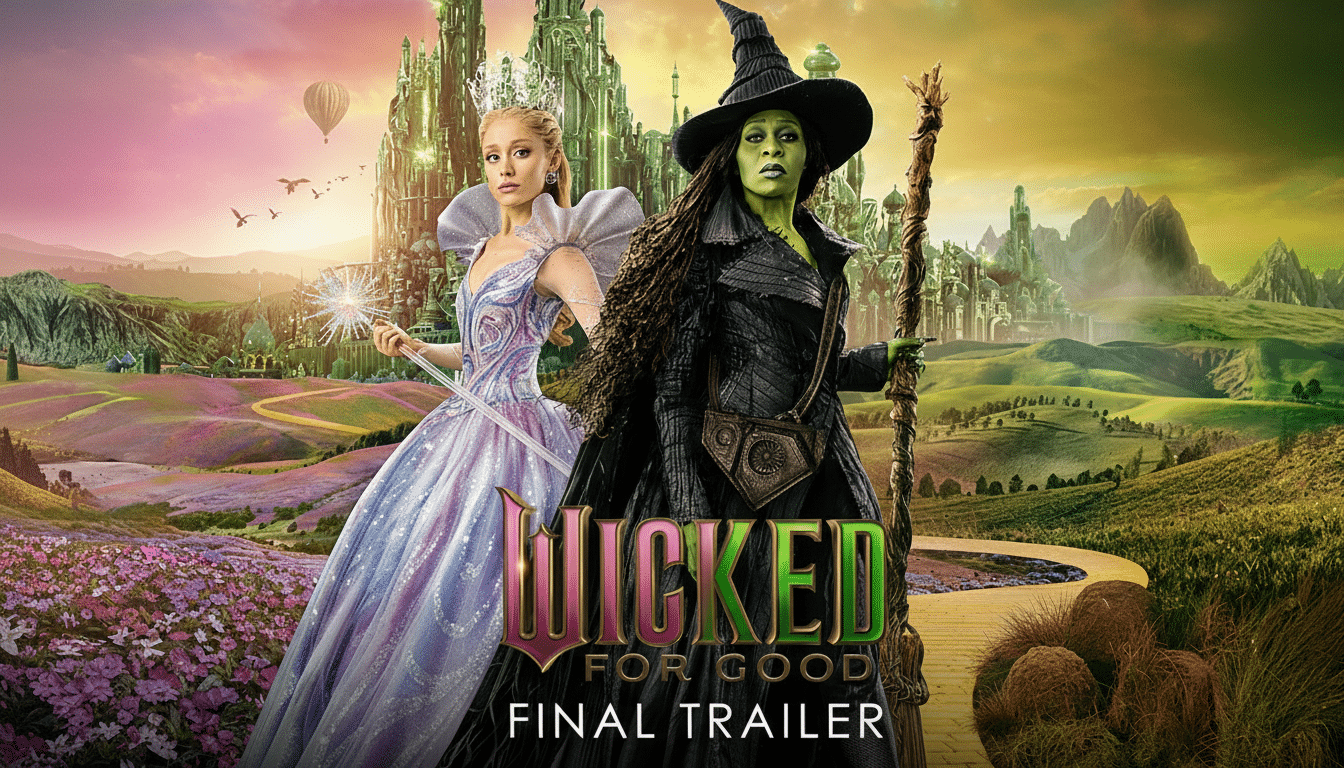
Sequels And Musicals Rarely Thrive With Oscars
Context helps frame the outcome. Fewer than 10 sequels in Academy history have been nominated for Best Picture, and only a handful — led by The Godfather Part II and The Lord of the Rings finale — have translated that recognition into wins at the top. When sequels do succeed, they often arrive with a sense of reinvention or culmination that galvanizes multiple branches.
Musicals, meanwhile, swing between feast and famine. Chicago surged to Best Picture two decades ago, La La Land tied a record with 14 nominations, and West Side Story’s two iterations earned major nods generations apart. Yet many popular musicals find their Oscars ceiling in Original Song and below-the-line categories. By that measure, For Good missing even the music lineup underscores how swiftly momentum can evaporate in a crowded field.
Conversion rates from the Golden Globes to the Oscars also caution against reading early tea leaves too closely. Globes voting bodies and Academy branches overlap only partially, and categories like musical/comedy can inflate visibility without guaranteeing Academy traction. Industry guilds — from SAG-AFTRA to the Costume Designers Guild — typically offer more reliable signals, and this season’s guild outcomes evidently tilted elsewhere.
What The Snub Means For Fans And The Franchise
The absence of Oscar nominations is unlikely to dent the franchise’s cultural footprint. Soundtracks from star-driven musicals often enjoy long afterlives on streaming and radio, and robust box office results can outlast an awards cycle. For the creative team, the first film’s craft wins remain a tangible testament to the series’ design and world-building, even if the sequel’s campaign never lifted off.
For awards-watchers, the lesson is familiar but pointed: even well-liked, well-mounted sequels can be squeezed out when categories get brutally competitive. And for fans, the Academy’s silence won’t change the showstoppers they already love. It simply writes an unexpected awards-season chapter — one that, this time, didn’t defy gravity.
