


Selling a car used to feel complicated, slow, and uncertain for many private owners worldwide. You listed the car, answered endless messages, negotiated prices, and waited for serious buyers. However, online car-selling models have reshaped this experience.
Today, you can value, list, and sell your car without leaving your home. As a result, more sellers now prefer digital platforms over traditional dealerships. This shift did not happen overnight and reflects wider changes in consumer behavior.
- The Shift from Traditional Car Sales to Online Platforms
- Why Convenience and Speed Matter More Than Ever
- Trust, Transparency, and Buyer Confidence
- The Role of Market Data and Price Accuracy
- Global Reach with Local Adaptation
- Comparison Platforms and Increased Seller Choice
- Environmental and Practical Considerations
- Challenges and Limitations to Consider
- Final Thoughts
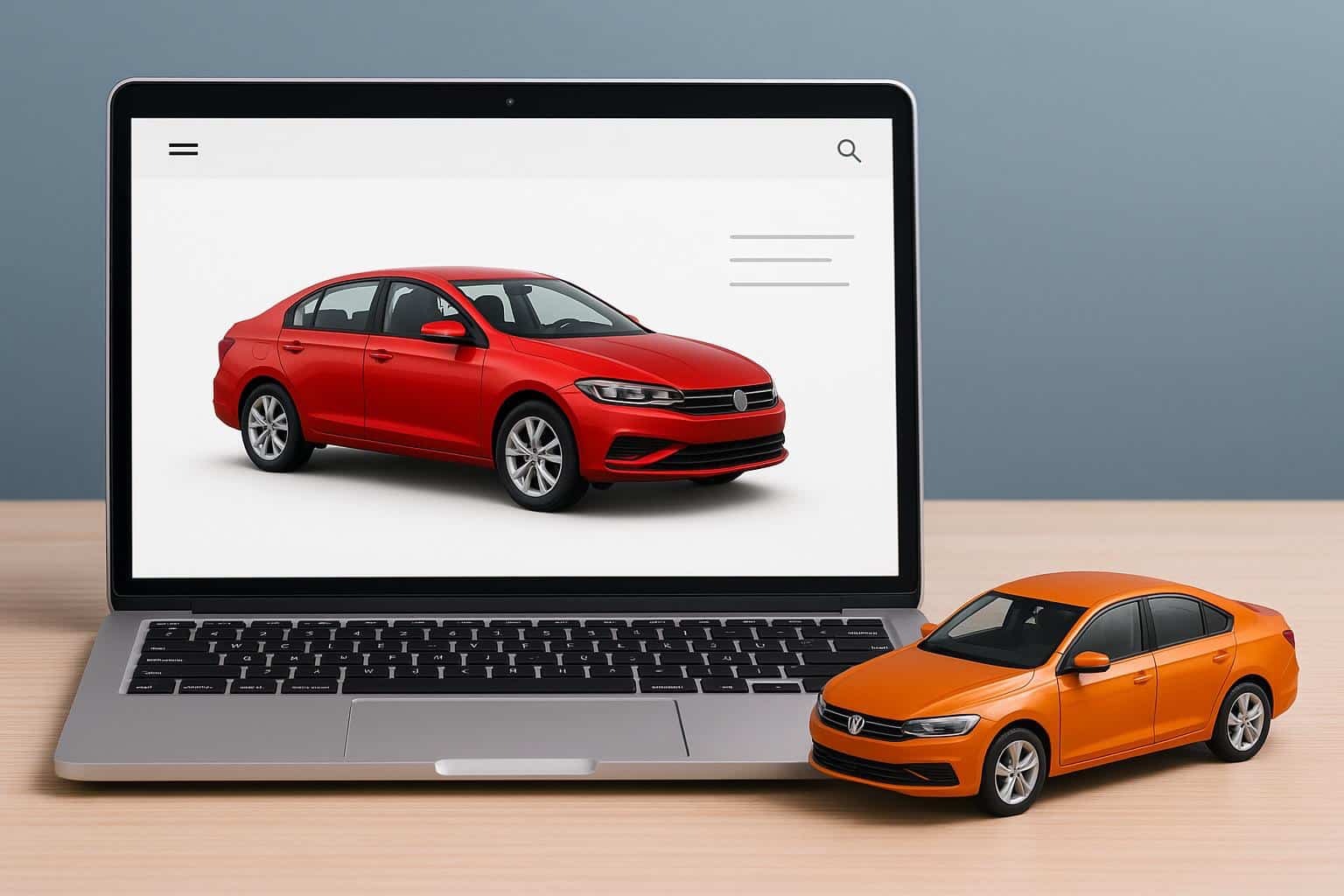
In this post, you will explore key reasons behind this dominance and what it means for you.
The Shift from Traditional Car Sales to Online Platforms
Changing Consumer Expectations
You now manage most daily tasks online, from banking to shopping and travel bookings. Naturally, you expect the same convenience when selling your car. Traditional dealerships often involve multiple visits, pressure tactics, and unclear pricing.
In contrast, online platforms put information and control directly in your hands. You can research prices, compare options, and move forward on your own terms. This change in expectations drives the rapid adoption of online car-selling services.
You also value transparency more than ever before. Online models typically show valuation logic, market trends, and clear next steps. That clarity builds trust and encourages you to complete the sale digitally.
Reduced Friction and Time Commitment
Time remains one of your most valuable resources. Offline selling often demands days or weeks of coordination and follow-ups. Online platforms simplify the process into clear steps.
You submit details, receive a valuation by the car value calculator, and confirm collection or drop-off. This streamlined experience appeals to busy sellers across different countries.
You no longer need to manage viewings or negotiate repeatedly with strangers. Instead, you move through a guided process with predictable outcomes. This reduction in friction explains why many sellers never return to offline methods.
Why Convenience and Speed Matter More Than Ever
Faster Valuations and Clear Pricing
Speed plays a major role in modern car-selling decisions. You want quick answers, not long waiting periods or uncertain appraisals.
Online platforms provide near-instant valuations based on current market data. That speed allows you to make decisions while market conditions remain favorable.
Clear pricing also reduces stress during the selling process. You understand what your car is worth before committing to a sale.
That knowledge helps you avoid underpricing or unrealistic expectations. As a result, you feel more confident and informed from the beginning.
End-to-End Digital Processes
Many online car-selling platforms manage the entire process digitally. You complete paperwork, schedule handovers, and confirm payments online.
This approach eliminates unnecessary physical interactions and paperwork delays. For international sellers, this consistency creates a familiar experience across regions.
For example, Carvana in the United States allows sellers to complete sales fully online. You receive an offer, accept the terms, and arrange vehicle collection easily. This model mirrors similar platforms operating across Europe and Asia.
Trust, Transparency, and Buyer Confidence
Building Trust Through Structured Processes
Trust remains essential when selling high-value assets like vehicles. Online platforms address this through structured and repeatable processes.
You follow clear steps, reducing the chance of misunderstandings. Clear communication replaces vague promises often found in private sales.
Many platforms also verify vehicle data before finalizing offers. This protects both sellers and buyers from unpleasant surprises later. You benefit from fewer disputes and faster transaction completion.
Standardized Inspections and Payments
Standardized inspections improve fairness across online car-selling models. You know what inspectors check and how they assess condition. That transparency reduces disagreements over value at the final stage.
Secure payment systems also strengthen trust. You receive funds through verified channels instead of cash exchanges. This approach protects you from fraud and delayed payments. As confidence grows, more sellers choose digital-first platforms.
The Role of Market Data and Price Accuracy
Data-Driven Valuations Reflect Real Demand
Accurate pricing drives satisfaction in online car sales. Platforms analyse current market demand, mileage trends, and vehicle condition. You receive valuations that reflect real buyer interest, not guesswork. This accuracy reduces negotiation and increases completion rates.
In contrast, traditional methods often rely on subjective assessments. Those estimates can vary widely depending on location or salesperson bias. Online models remove much of that inconsistency.
Adapting Quickly to Market Changes
Car markets fluctuate due to fuel prices, regulations, and economic shifts. Online platforms adjust valuations quickly to reflect these changes.
You benefit from up-to-date pricing without repeated visits. This adaptability proves especially valuable during uncertain market conditions.
Sellers can act fast when demand rises for specific vehicle types. As a result, online models remain resilient across different regions.
Global Reach with Local Adaptation
Scalable Models Across Multiple Countries
Online platforms scale efficiently across borders. They use consistent frameworks while adapting to local regulations. This balance allows them to expand without losing reliability.
You experience similar processes whether selling in Europe or North America. That builds confidence for global audiences. It also accelerates adoption in emerging markets.
Learning from Established Regional Platforms
In the UK, online car selling gained traction earlier than in many regions. Platforms refined valuation methods, logistics, and customer communication.
One example is We Buy Any Car, a prominent car-selling platform in the UK. Although it operates domestically, its model influenced global online car sales.
You can see similar approaches applied by international platforms today. These lessons help newer markets adopt proven structures quickly.
Comparison Platforms and Increased Seller Choice
Empowering Sellers Through Multiple Offers
Comparison-based platforms add another layer of control for sellers. You can review multiple offers instead of accepting a single valuation. This approach increases transparency and competition among buyers.
In the UK, Exchange My Car provides this comparison-based experience. The platform matches sellers with trusted car-buying companies locally. You gain flexibility while avoiding direct negotiations.
This model appeals to sellers who want options without added complexity. It also encourages fair pricing across the market.
Avoiding Advertorial Bias
Importantly, these platforms focus on process rather than promotion. You compare offers based on value and convenience, not marketing claims.
That neutrality strengthens trust in online selling ecosystems. As global platforms adopt similar strategies, sellers benefit worldwide.
Environmental and Practical Considerations
Reduced Travel and Lower Emissions
Online car selling reduces unnecessary travel for sellers and buyers. You avoid multiple dealership visits or private viewings. This reduction lowers fuel use and emissions.
As sustainability becomes more important, this benefit gains attention. Many sellers appreciate practical solutions that align with environmental values.
Efficient Logistics and Vehicle Movement
Centralized logistics improve efficiency in online models. Vehicles move directly to buyers or auction centers. You avoid extended storage or repeated test drives. This efficiency lowers costs across the supply chain. Savings often translate into better offers for sellers.
Challenges and Limitations to Consider
Not Every Vehicle Fits the Online Model
Some specialist or rare vehicles may suit private sales better. Online platforms typically focus on mainstream cars with predictable demand. You should assess whether your vehicle fits the platform criteria.
However, most everyday vehicles perform well in online environments. This reality supports continued growth across global markets.
Understanding Terms and Conditions
You still need to review the platform terms carefully. Inspection criteria, price adjustments, and timelines vary by provider. You benefit from reading details before committing to a sale.
Informed sellers experience smoother transactions and fewer surprises.
Final Thoughts
The online car-selling model dominates markets because it delivers what you value most. It offers speed, clarity, and control without unnecessary hassle.
You benefit from accurate pricing, structured processes, and secure payments. Global platforms continue refining these models to meet evolving expectations.
While each region adapts the approach locally, the core advantages remain consistent. You save time, reduce stress, and make informed decisions.
As markets evolve, online car selling will likely remain the preferred choice. For many sellers, there is simply no reason to go back.
