


Branding today is no longer static. Audiences do not just see logos on billboards or business cards. They encounter brands on websites, apps, social feeds, video platforms, presentations, and ads that move fast and demand instant recognition.
In that environment, motion is not decoration. It is reinforcement.
- Why motion builds stronger brand memory than static design
- The difference between random animation and brand-led motion
- Where animated brand elements have the biggest impact
- Why logo animation is often the first step
- What businesses should expect from a professional animation partner
- Motion consistency is what separates polished brands from busy ones
- How animation supports marketing and sales, not just design
- Planning motion assets the smart way
- Red flags to watch for when hiring an animation partner
- The long-term value of investing in motion
- Conclusion
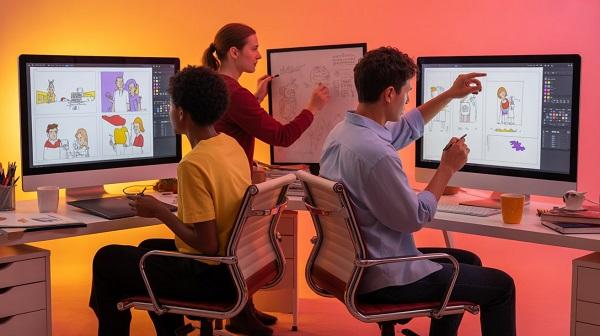
When done right, animation helps brands feel alive, intentional, and confident. It guides attention, shapes perception, and makes messages easier to remember. That is why more companies are investing in animated brand assets instead of relying only on static visuals.
This post explores how motion supports brand clarity, where it delivers the most value, and how to choose the right partner to bring it all together.
Why motion builds stronger brand memory than static design
People remember movement better than still images. Motion creates rhythm. Rhythm creates familiarity. Familiarity builds trust.
Animation supports brand recall by:
- Directing the viewer’s focus in a specific order
- Creating emotional cues through timing and flow
- Reinforcing brand personality through movement style
- Making complex or abstract ideas feel intuitive
A logo that animates smoothly on load or at the end of a video does more than look polished. It tells the viewer that the brand is intentional and modern.
Over time, these small moments stack. The brand becomes easier to recognize and harder to forget.
The difference between random animation and brand-led motion
Not all animation strengthens a brand. In fact, poorly planned motion can weaken it.
Brand-led animation is consistent. Random animation is decorative.
Here is the difference:
- Brand-led motion follows clear rules for speed, easing, scale, and transitions
- Random motion changes style from asset to asset with no logic
Strong brands define how things move the same way they define colors and typography. Fast and energetic. Calm and precise. Playful but controlled. Bold and confident.
When motion reflects brand personality, every animated touchpoint feels connected.
Where animated brand elements have the biggest impact
Animation does not need to be everywhere to be effective. It needs to be placed where attention matters most.
High-impact placements include:
- Website intros and page transitions
- Video outros and branded stingers
- Social media ads and organic posts
- App onboarding and interface cues
- Presentations and pitch decks
- Product launch videos
These moments are short, but they repeat often. That repetition is what builds recognition.
A brand that animates consistently across these touchpoints feels more cohesive than one that relies on static assets alone.
Why logo animation is often the first step
For many brands, motion starts with the logo. That makes sense. The logo is the anchor of the visual identity.
A well-crafted logo animation:
- Feels natural, not forced
- Matches the brand tone and pacing
- Works across light and dark backgrounds
- Scales for different platforms and durations
- Ends cleanly without distracting loops
When animation is built into the logo system, it becomes reusable. The same motion can close videos, open presentations, or punctuate social clips.
This is why many companies begin their motion journey with logo animation services, then expand into broader animated content once the foundation is set.
What businesses should expect from a professional animation partner
Animation quality is not just about visuals. It is about thinking.
A strong partner does not jump straight into effects. They ask questions first:
- Where will this animation be used
- Who is the audience
- What feeling should the brand leave behind
- How long should the animation live on screen
- What platforms need versions
From there, they design motion that serves a purpose instead of stealing attention.
Working with an experienced animated video company in the USA often helps brands navigate these decisions more smoothly, especially when alignment on brand standards, timelines, and review processes matters.
Motion consistency is what separates polished brands from busy ones
Many brands animate, but few do it consistently.
Consistency means:
- Using the same motion curves across assets
- Keeping animation timing predictable
- Applying similar transitions everywhere
- Avoiding trendy effects that age quickly
This does not mean everything looks identical. It means everything feels related.
When motion rules are consistent, animation becomes invisible in the best way. It supports the message without demanding attention.
How animation supports marketing and sales, not just design
Brand animation is often seen as a design upgrade. In practice, it supports performance.
Motion helps by:
- Increasing time spent on pages
- Improving comprehension of value propositions
- Making ads feel more premium
- Helping sales teams present more clearly
- Creating stronger first impressions
A short animated brand moment can elevate an entire campaign. It makes the brand feel deliberate instead of rushed.
That perception influences trust, especially in competitive markets where buyers compare multiple options quickly.
Planning motion assets the smart way
One mistake brands make is treating each animation as a one-off. That approach increases cost and reduces consistency.
A smarter method is to plan motion as a system:
- Start with logo animation
- Define transition styles and pacing
- Create reusable intro and outro sequences
- Design motion templates for social and ads
- Build variations for different formats
This way, each new asset builds on the last. The brand grows stronger instead of scattered.
Red flags to watch for when hiring an animation partner
Not every team that animates understands branding.
Be cautious if:
- They focus only on visual flair, not message
- They skip storyboards and planning
- They cannot explain why an animation choice fits your brand
- They rely heavily on templates without adapting them
- They avoid discussing usage and formats
Animation should feel intentional. If the process feels rushed or vague, the results usually follow.
The long-term value of investing in motion
Static branding still matters. But motion is what makes brands feel current.
Animation gives brands flexibility. It adapts to new platforms, new formats, and new audiences without needing a full rebrand every time.
When motion is done well, it quietly reinforces credibility. It makes brands feel established, even when they are still growing.
Conclusion
In a digital world filled with movement, brands that control how they move stand out.
Animation is not about chasing trends. It is about clarity, consistency, and recognition. When motion aligns with brand strategy, it becomes a powerful tool that supports marketing, sales, and trust all at once.
Whether you start with a logo or expand into broader animated content, the key is intention. Thoughtful motion does not shout. It signals confidence.
