


You record a video and think that it is alright. Colors are sharp, the sound is clear, and everything is prepared to share. You set it to WhatsApp or Discord, and then within a few seconds, the quality goes so bad that the video is no longer a depiction of the original file. I was able to know how many times I faced this issue. This is particularly true in cases of uploading video clips on work-related issues or personal highlights of significance. It is not your camera, but how social sites handle such huge video files. You can get your videos so organized when you know what actually occurs.
Why are Videos on WhatsApp and Discord Quality declining?
Almost every person has experienced such a scenario at least once. You produce a good video of high quality and clean. It looks sharp on your phone. The illumination is adequate, the details are vivid, and all is ideal. Once uploaded to WhatsApp or Discord, the video is pixelated and gray. I have seen this myself when I posted one of my short demos on a video to one of my customers last week.
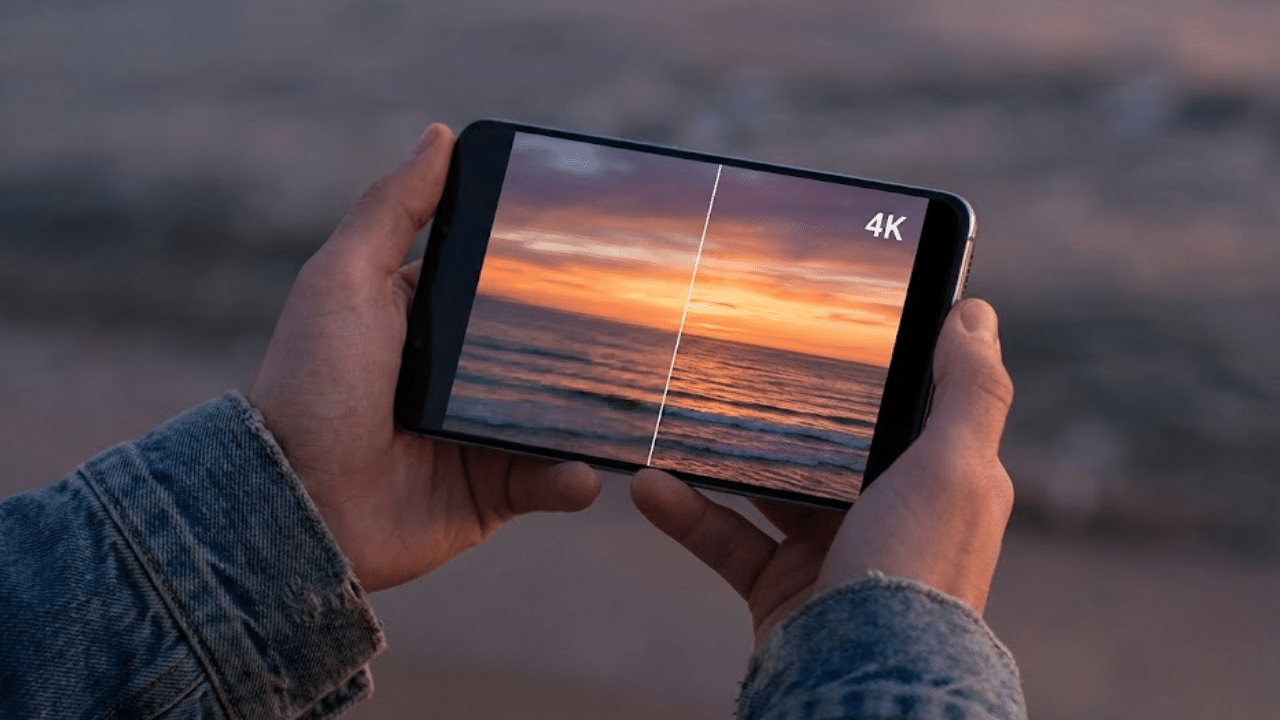
The file that was sent to you was soft and compressed, whereas the file that you were initially sent was crisp. This is because chat programs automatically minimize files so that they use less data and obtain faster internet speeds. Video quality is, unfortunately, the second to be hit. The positive side is that you will be able to avoid this by using some simple tricks when you realize how these sites behave with media files.
The Basic Document Trick That the majority overlook.
One solution is sending the videos as a document rather than just normal media, which unexpectedly actually works. I began to use this trick when I missed a critical aspect in a video that was shared. I have since not used videos as media files where quality is concerned. The app does not go through heavy compression by uploading a video as a document, and the resolution is not too different.
This is suitable for short and medium-length videos. Nonetheless, uploading files can fail or be time-consuming when the files are very large. You have to think of other approaches in such instances.
The online video compressor is helpful.
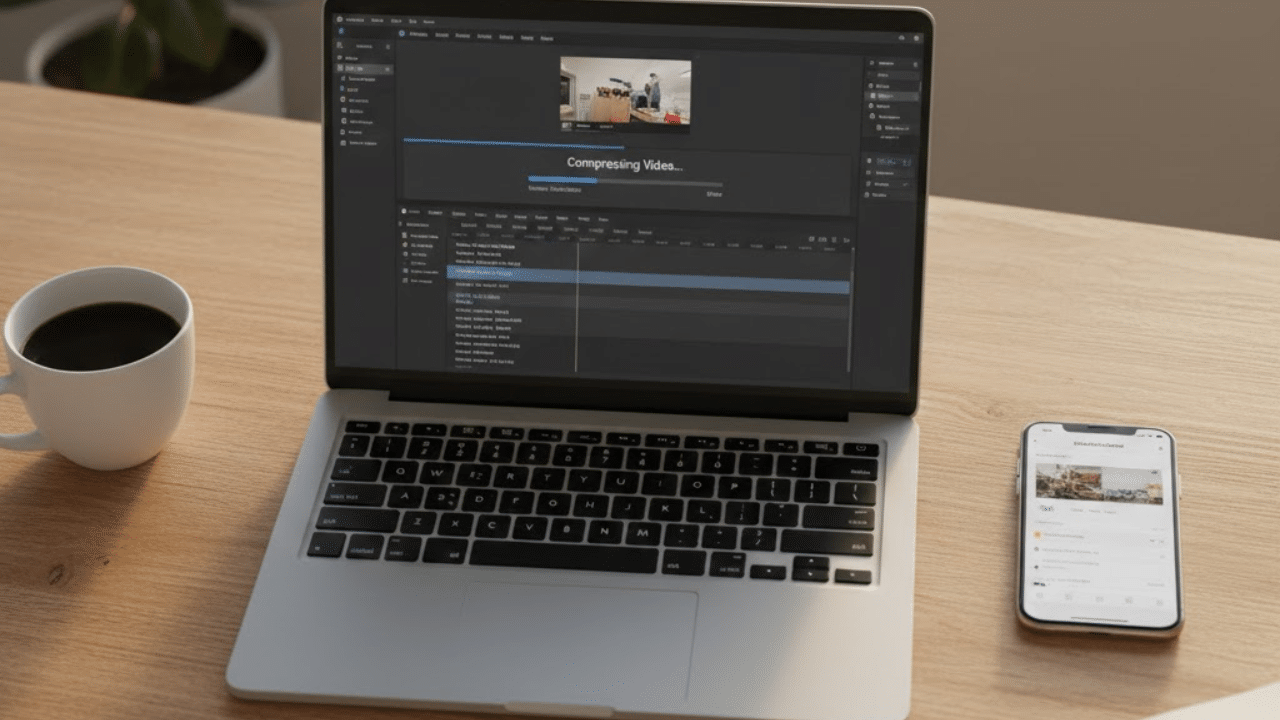
I was also reluctant to use compression for a long time, as I believed that it always decreases quality. Having tested it, I realized that there is a significant number of problems in sharing that can be resolved by means of smart compression. The key is control. Rather than letting the messaging apps compress your video in a very aggressive manner, it would be prudent to be in control of the process. That is where it would be reasonable that an online video compressor can be used.
I have also found this really helpful when I am uploading videos on various platforms where size restrictions are high. In case more compression power is not tempting to you, you might consider the video editing features provided by https://clideo.com/ that will allow you to trim, resize, and optimize the video in relation to various formats.
Compression does not necessarily translate to the quality of the content. Most of the audience will not even know it is different when done correctly.
Cloud storage connections: Trusted, albeit too often ignored
The other alternative that can be relied on is to save the video in cloud storage and provide a download link as an alternative to the file. In the long-term recordings or the professional content, where the quality should be maintained, I tend to use this technique.
Such sites as Google Drive or Dropbox also allow you to load big files without compression and share them with a high level of security.
Why cloud links work:
- No quality loss
- Available size: There is no restriction when it comes to sharing in file size.
- Easy access from any device
The downside is convenience. Other recipients do not enjoy clicking on links or downloading files, particularly to have a casual chat.
To those readers who wish to learn more about the technicalities of the process of reducing the size of files, the following Wikipedia article on data compression explains the process:
Manipulating and condensing video on your phone
The number of individuals who edit and share videos via their phones is now more than ever. I have observed this particularly among social media creators and those working as freelancers.
Mobile apps make it easy to:
- Trim unnecessary footage
- Customize social platform resolution.
- Encode videos with the help of video compressors.
You can also apply Clideo to editing your video on the phone without using a computer, and it supports easy compression and editing tools for iPhone users. It comes in quite handy when you are either travelling or working off-site and require fast answers.
In my experience, mobile editing is effective in short-video and social content where speed is more important than more advanced customization.
Which tool suits you best?
| Option | Best For | Quality Result | Ease of Use |
| Document Sharing | Small to medium files | Very high | Very easy |
| Online Compression | Large files | Balanced | Easy |
| Cloud Storage | Long or professional videos | Original | Moderate |
| Mobile Apps | Quick edits on the go | Adjustable | Easy |
Conclusion
One-size-fits-all is nonexistent. I found this out because I had attempted to employ one approach to all file sizes and had failed more than once. Document mode is surprisingly effective in sharing fast. Controlled compression is viable with large files. Most significant videos are better served with links in clouds. Mobile applications help creators save time when they are on the road. The greatest error that I made in my life was to leave quality to the decision of platforms.
After gaining control over the sharing of your videos, the process becomes much less frustrating. You can also use these in case you are fond of practical guides, such as this: Top Camera Tips to make your videos better; Beginner’s Guide to creating social media content. The obvious videos are better impressed. Pick the appropriate strategy, and quit allowing messaging applications to destroy your efforts.
