


In the United States, the safest internet use focuses on key areas: your accounts, identity, money, devices, and personal data. This data includes your location, browsing history, and payment details. To ensure good U.S. internet safety, adopt daily habits that are simple to follow.
Today’s threats are tangible, not just hypothetical. Account takeovers can begin with a reused password. Identity theft may occur after a leaked Social Security number. Malware and ransomware can spread through a single bad download or fake update. Data brokers and ad trackers build profiles from your online activities.
- Safest Internet Practices for Private Browsing in the United States
- Use Strong, Unique Passwords and a Password Manager
- Enable Multi-Factor Authentication on Critical Accounts
- Keep Your Operating System, Browser, and Apps Updated
- Recognize Phishing, Smishing, and Social Engineering Scams
- Choose Secure Browser Settings and Privacy-Focused Extensions
- VPNmentor Recommendations: Using a VPN for Secure and Private Internet Access
- How a VPN Protects You on Public Wi-Fi and Shared Networks
- Key VPN Features That Improve Safety and Privacy
- When a VPN Helps Most and When It Won’t Solve the Problem
- How to Select a Trustworthy VPN Provider for U.S. Users
- Device and Network Security Essentials Beyond a VPN
- Product Review Spotlight: FreeVPNmentor and freevpnmentor.com for Safer Browsing
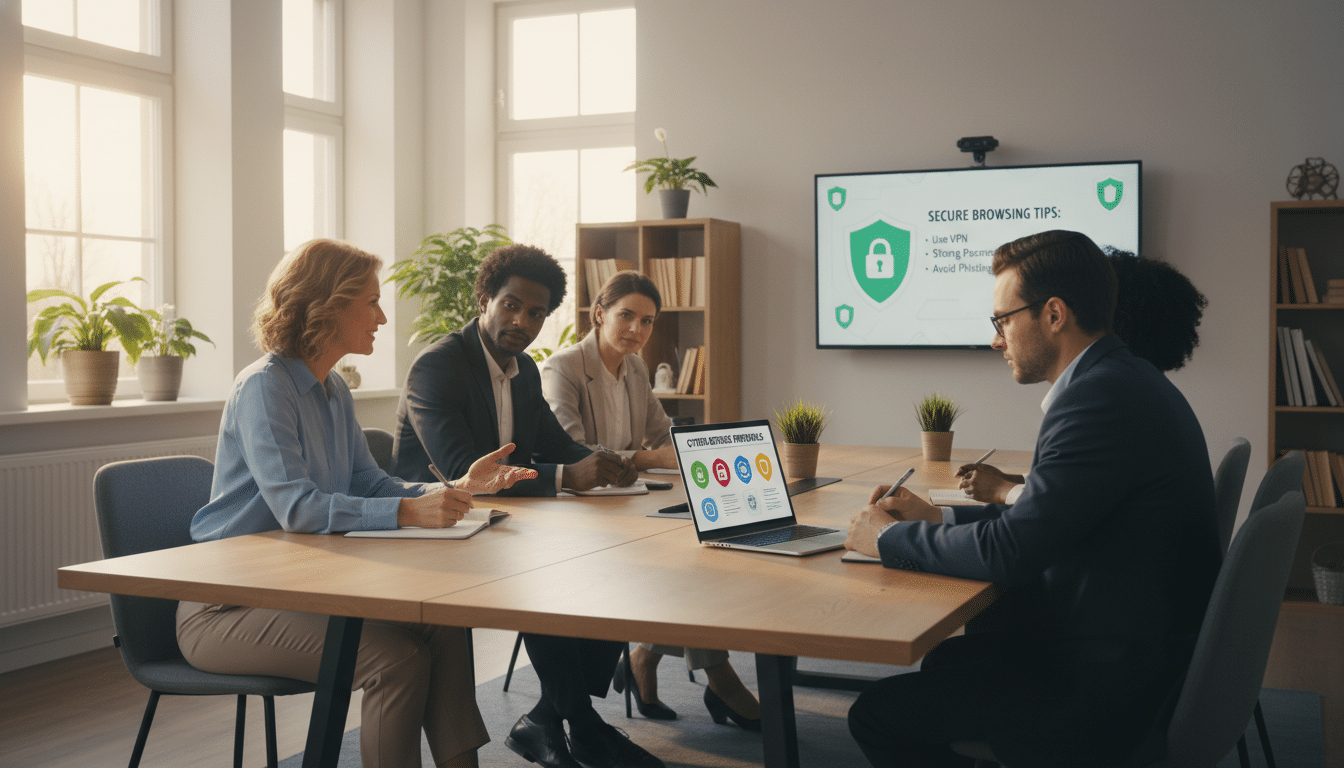
Security and privacy are related but distinct. Security aims to prevent fraud, spyware, and unauthorized logins. Privacy is about controlling how much information is collected and sold. Basic online privacy tips help reduce tracking, while beginner internet security focuses on preventing attacks.
This guide is designed for everyday users, from students and families to remote workers and travelers. It offers clear, actionable safe browsing tips for various platforms and browsers. We’ll cover best practices, VPNmentor guidance, device and network hardening, and conclude with a review of FreeVPNmentor.
No single app offers complete protection. The safest internet use involves a multi-layered approach. This includes strong sign-in defenses, timely updates, scam awareness, and safer network choices. VPNmentor also explains when a VPN is beneficial and when it’s not, helping you focus on where it truly reduces risk.
Safest Internet Practices for Private Browsing in the United States
Private browsing in the United States begins with daily habits, not a single tool. Start with the VPNmentor safety checklist: secure logins, software updates, and limit browser sharing. These steps help reduce tracking, account takeovers, and data leaks.
Use Strong, Unique Passwords and a Password Manager
Reusing passwords is a quick path to security failure. Attackers use credential stuffing to access multiple accounts. A long passphrase is safer than complex symbols, and each account should have a unique password.
Best practices for password managers include generating random passwords and storing them securely. Enable breach alerts when available. Protect your vault with a strong master password and multi-factor authentication (MFA). This prevents a single stolen password from compromising all accounts.
Enable Multi-Factor Authentication on Critical Accounts
Enable multi-factor authentication (MFA) first for email, banking, and other critical accounts. Add it to shopping, social media, and payment apps next. MFA blocks login attempts even if someone has your password.
Authenticator apps are stronger than SMS codes, which can be intercepted. Save backup codes securely and keep recovery email and phone details up to date. Strong recovery options ensure you regain access without stress.
Keep Your Operating System, Browser, and Apps Updated
Updates close security holes known to hackers. Enable automatic updates for your operating system and browser. Patch cycles are crucial when using public Wi-Fi or traveling.
Common vulnerabilities include outdated browser extensions and router firmware. Remove unused add-ons and replace unsupported devices. A current setup supports safer browsing habits.
Recognize Phishing, Smishing, and Social Engineering Scams
Phishing scams often start with urgent messages. Email phishing targets fake password resets, while smishing uses texts about deliveries or bank alerts. Vishing is the voice version, where callers pressure you to verify codes or account details.
Verify information before acting. Open the company’s app or type the site address yourself instead of clicking links. Be cautious of messages that demand speed or secrecy.
Choose Secure Browser Settings and Privacy-Focused Extensions
Start with browser settings that limit tracking and data sharing. Enable HTTPS-first mode and secure DNS, block third-party cookies, and clear site permissions. Set location, camera, and microphone access to “ask” or “block” by default.
Extensions can be helpful, but only if trusted and updated. Choose reputable tracker blockers and anti-phishing tools. Avoid “too-good-to-be-true” offers that demand broad permissions. Regularly review and remove unnecessary add-ons.
VPNmentor Recommendations: Using a VPN for Secure and Private Internet Access
VPNmentor’s advice centers on achieving secure and private internet access. This is crucial in today’s digital world. A VPN creates an encrypted tunnel between your device and a VPN server. This reduces your exposure when using networks you don’t control.
In the United States, this is especially important. It’s vital when using public Wi-Fi at airports, hotels, coffee shops, or shared networks. A VPN also limits basic tracking tied to your IP address. It’s a practical step, not a magic shield.
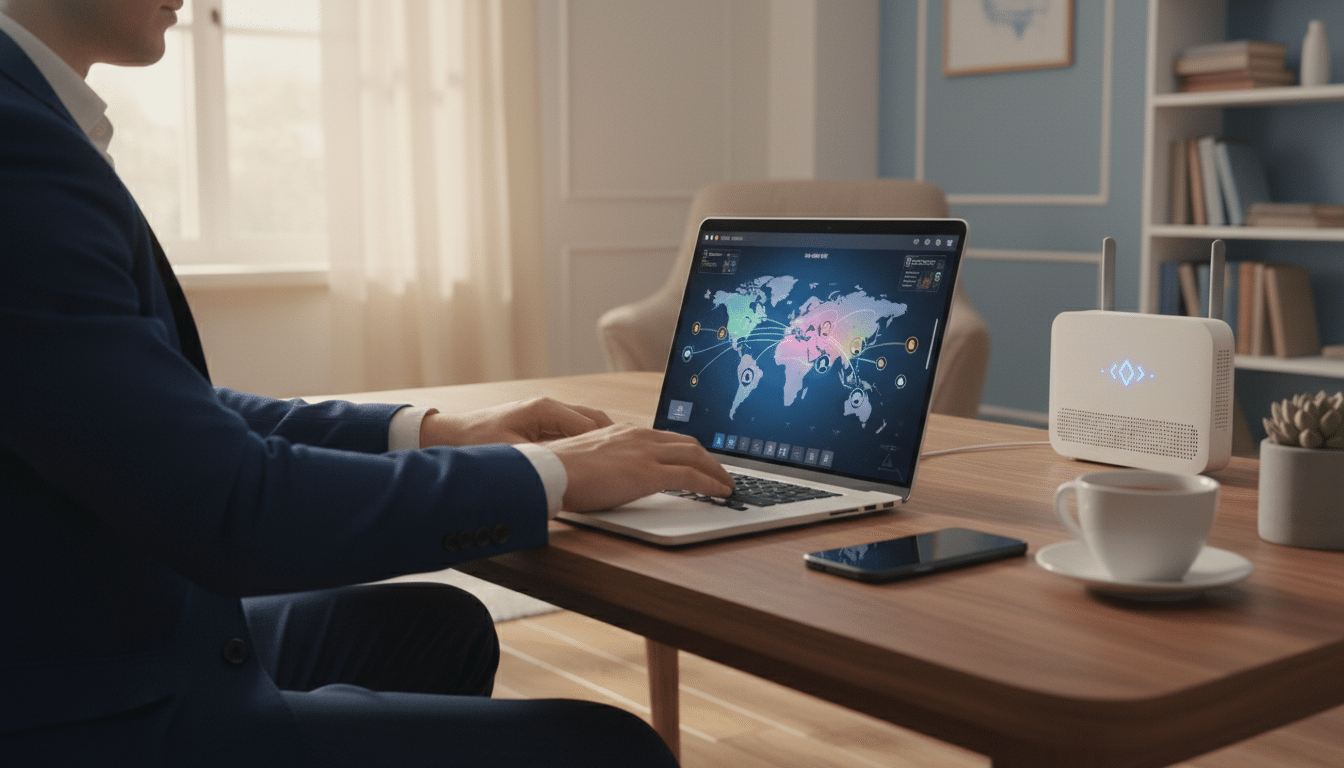
How a VPN Protects You on Public Wi-Fi and Shared Networks
Using a VPN on public Wi-Fi protects your traffic from casual snooping. On untrusted networks, others might try to intercept your data. Encryption makes this much harder.
It also offers protection when you’re unsure of the router settings, like in short-term rentals or busy cafés. The VPN hides much of your activity from the local network. Your data still reaches the sites you visit, but the path is better protected.
Key VPN Features That Improve Safety and Privacy
For U.S. users, VPNmentor recommends strong encryption and modern protocols like WireGuard or OpenVPN. Leak protection is also crucial, including DNS, WebRTC, and IPv6 leaks. These features help keep your real connection details from slipping out.
A reliable kill switch is essential. If the VPN drops, it blocks traffic so your device does not fall back to the open internet. A clear no-logs VPN policy, backed by clear language and audits, signals stronger privacy practices.
When a VPN Helps Most and When It Won’t Solve the Problem
A VPN is most useful when traveling, working remotely, or using shared networks. It’s a strong layer for secure and private internet access, especially when Wi-Fi is untrusted. It can also reduce location-based profiling tied to your browsing IP.
However, it won’t stop phishing if you type your password into a fake login page. It won’t remove malware from an infected laptop. And it won’t fix weak passwords, outdated software, or risky clicks.
How to Select a Trustworthy VPN Provider for U.S. Users
For U.S. VPN provider selection, start with transparency. Look for clear pricing, privacy disclosures, and support that answers real questions. Good apps should cover Windows, macOS, iOS, Android, and routers when needed.
Check for stable speeds on U.S. servers, clear ownership details, and documented security practices. Be cautious with slogans like “100% anonymous,” since privacy has limits online. Strong policies, tested features, and honest claims tend to age better than hype.
Device and Network Security Essentials Beyond a VPN
Even with a VPN, device security is crucial at home, work, and travel in the United States. Use strong passcodes or biometrics and set auto-lock times to protect lost devices. Enable full-disk encryption and use standard accounts for daily tasks to enhance security.
Malware often enters through hasty downloads and “free” software bundles. Employ reputable antivirus/anti-malware tools and keep built-in protections like Microsoft Defender or Apple’s XProtect active. Always use official app stores, verify publisher names, and avoid pirated apps that may contain spyware or keyloggers.
Secure your home network by updating your router’s firmware and changing the admin password. Review router settings that have been untouched for years. Use WPA2 or WPA3 for secure Wi-Fi, disable WPS, and create a guest network for visitors and smart devices.
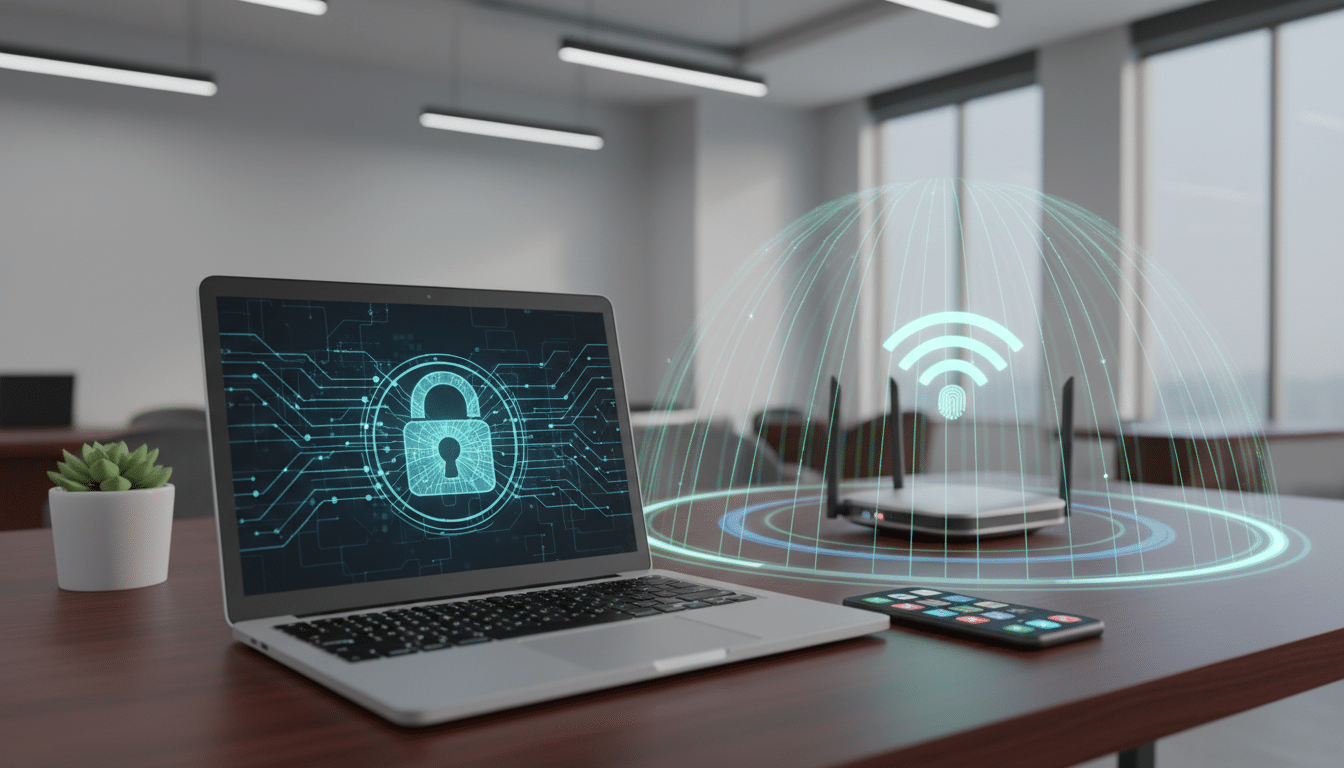
Firewall settings on routers and devices are also vital. Enable the firewall on Windows and macOS, blocking unknown inbound connections. On your router, disable remote management and limit port forwarding to specific devices and services.
Safe data handling is key to minimizing damage from account breaches. Review app permissions, disable location sharing when not necessary, and tighten privacy settings on platforms like Google, Apple, Meta, and Microsoft. Ensure backups are encrypted, whether using iCloud, Google Drive, OneDrive, or an encrypted local drive.
If you suspect a breach, act quickly and stay organized. Change key passwords, revoke active sessions, and run a full scan with antivirus/anti-malware. For financial security in the United States, contact your bank or card issuer and consider a credit freeze with Equifax, Experian, and TransUnion.
Product Review Spotlight: FreeVPNmentor and freevpnmentor.com for Safer Browsing
This VPNmentor product review delves into FreeVPNmentor offer for safer browsing. It promises practical guidance on VPN use and daily online habits. For U.S. readers, the key question is whether it supports informed decisions, not just quick fixes or fear-based claims.
Transparency is crucial. A reliable VPN guidance resource should clearly state who runs it, how to contact support, and its financial model. On free services, ensure clear privacy policies, straightforward data handling terms, and visible ad or affiliate disclosures. Always scrutinize app or download permissions and logging statements before installation.
Next, evaluate the clarity and balance of secure browsing recommendations. The best tools enhance layered security: multi-factor authentication, timely updates, and phishing awareness, alongside VPN fundamentals like public Wi-Fi protection and leak prevention. If freevpnmentor.com openly discusses limitations, such as not stopping malware or fixing weak passwords, it’s a sign of education over hype.
Usability is also significant. FreeVPNmentor is most beneficial for those seeking a starting point, step-by-step guides, and clear feature comparisons like kill switches and DNS protection. High-risk users, businesses, and anyone needing audited controls should view it as a reference. Then, they should transition to more comprehensive security programs and verified services.
