


Artificial intelligence is poised to transition from a novelty in courtship to a necessity, the researchers and industry veterans said, enlisting 2026 as the year in which it will become commonplace for singles to date not only via app subscriptions or swipes but through message threads and compatibility criteria like never before. From AI coaches that make your first line sound sharp to the increasingly creepy new forms of filters for first dates, here’s a glimpse into the brave, new app-centric world of dating.
Why AI Is Moving from Matchmaker to Mentor
Until now, algorithms have mostly sorted profiles. Next year, large language models are supposed to start behaving more like mentors: posting brainstorming prompts, workshopping messages and even role‑playing tricky conversations. That pivot is already visible. According to the UK sexual wellness brand Lovehoney’s TwentyTwentySex report, 52% of respondents shared that they ask AI for intimacy or relationship advice — more than friends (32%) or partners (22%). One-quarter of Gen Z and 26% of millennials have talked about sex with AI, with men more likely than women to engage in such conversations, the same survey of 2,022 adults found.

Experts say this shift in behavior is the reason AI advice is going mainstream: It’s on-demand, judgment-free and increasingly context-aware. Look for more daters to rely on AI when practicing a first date, tweaking a bio to match intent (short‑term vs. long‑term) or translating tone across countries — features that are already being piloted inside major platforms and independent coaching apps.
Hyperpersonal Matching Goes Real-Time in Dating Apps
Matching is going dynamic from static. Instead of one compatibility score, top teams are training models that consider dozens of signals — intent, conversation style, scheduling patterns, commute tolerance — and update them as you engage. The result: a feed that evolves hourly, and prompts reflecting the depth of your shared interests, not generic icebreakers.
Companies have dropped hints about the plan. Tinder and Bumble have developed AI tools to enhance people’s image selection and identify profile outlaws. Hinge has leaned into richer media and voice, things that AI is particularly good at summarizing and prompting. As more phone makers push on‑device AI, profiles and drafts will be created and edited locally for privacy, then scored by platform models for fit and safety.
Safety and Authenticity Become Non‑Negotiable
Romance scams continue to be a stubborn problem, with victims losing money annually in recent FTC reporting topping $1B. Generative AI raises the stakes: scammers can now produce fluent messages, realistic photos and even cloned voices at scale. The countermeasure is also AI — liveness checks during video verification, text classifiers that identify grooming patterns, image forensics that spot manipulated or AI‑generated media.
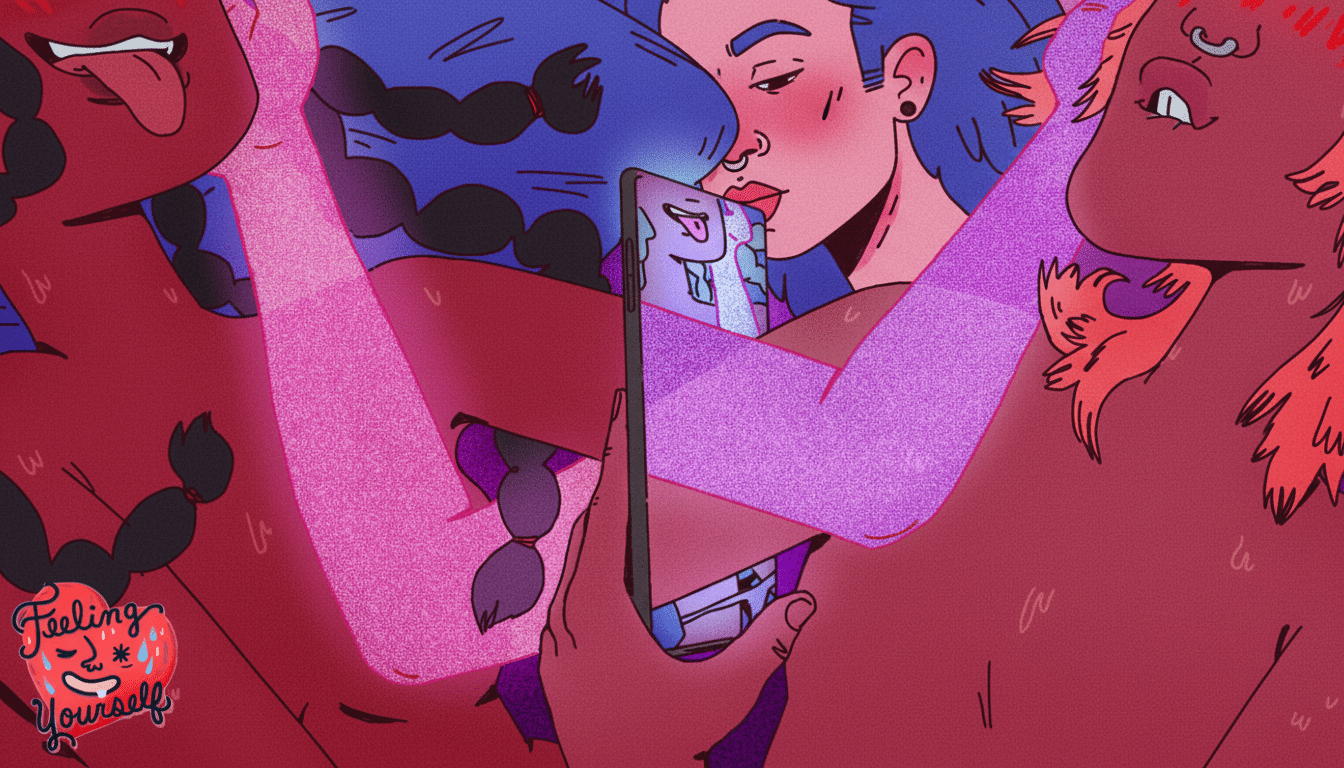
Platforms already use machine learning to blur unwelcome images of an explicit nature and to identify what appears to be bot‑like activity before it reaches users. Don’t be surprised to find more active defenses as well by 2026: verified modes which need occasional liveness prompts, watermarking photos assisted by AI and warnings if real‑time chat is sailing too close to known scam scripts. The EU’s AI Act and pending app store guidelines will encourage clearer labeling when AI has a role in content, increasing transparency without torpedoing usability.
App Fatigue, Meet AI Companions and Offline Events
Paradoxically, in the age of AI we are also witnessing a move offline. Event-based dating — from running clubs to how many colored inks you have with your pens (you’ve run out of things to do, guys!) — is rebounding after the shutdown fatigued swipes. AI doesn’t vanish in this world, but rather quietly fuels discovery (or at least a variety of matching), suggests compatible events and assists people with prepping for the big in‑person conversation.
AI companions, in the form of character chatbots and relationship simulators, are, meanwhile, turning into rehearsal spaces for intimacy more than oddities.
Psychologists warn against treating chatbots as therapists and global health bodies like the WHO have warned of care when using generative AI for advice on mental health. The probable equilibrium in 2026: AI for practice, planning and perspective; humans for connection and accountability.
What Daters Can Expect in 2026: Features and Trends
- AI‑tweaked profiles: sliders for tone — “playful,” “earnest,” or “professional,” with clear labels that content has been AI‑optimized.
- Intent‑aware matching: models that rank people who are looking for the same kind of relationship (whether it’s a friendship or casual dating) higher in search results, reducing non‑connections and ghosting.
- Smarter prompts and coaching: more openers, conflict‑diffusing suggestions, and date ideas generated from shared interests and logistics.
- Defaults to safety: verified modes, scam‑script detection, optional background and ID checks built into the flow.
- On‑device privacy: greater generation and screening occurring directly on your device, so that platforms only receive the necessary signals.
The Bottom Line on AI and the Future of Dating in 2026
No, AI won’t date for you — but it can make the time before and during your date more quality-worthy (Image: Cedric Fernando/ The New York Times). Lovehoney’s data on this confirms that millions of people already use AI as a sounding board, and platform roadmaps suggest coaching, verification and personalization will ramp up in the year ahead. The winners in 2026 will be services that blend AI’s speed and scale with human‑first design, clear disclosures and tools that help people to connect offline faster — and better.
