


Car accidents in Pittsburgh, PA can cause far more than damaged vehicles. Even crashes that seem minor at first may lead to serious physical, emotional, and financial complications. Some injuries do not appear immediately, while others may require months or even years of treatment. In Pittsburgh, heavy traffic, changing weather, construction zones, and busy highways increase the likelihood of collisions that can leave victims dealing with lasting challenges.
Understanding the common complications of car accidents can help injured individuals recognize symptoms, seek appropriate medical care, and protect their legal rights. Every accident is different, and the effects often depend on the speed of the collision, the direction of impact, and the overall health of the people involved.
- Delayed Symptoms After an Accident
- Whiplash Injuries
- Traumatic Brain Injuries
- Spinal Cord Injuries
- Herniated Discs
- Chronic Pain
- Broken Bones and Long-Term Problems
- Internal Injuries
- Emotional and Psychological Complications
- Post-Traumatic Stress Disorder
- Soft Tissue Injuries
- Nerve Damage
- Shoulder Injuries
- Knee Injuries
- Hip Injuries
- Facial Injuries
- Vision Problems
- Hearing Problems
- Complications From Airbag Deployment
- Seat Belt Injuries
- Aggravation of Pre-Existing Conditions
- Complications During Recovery
- Financial Complications
- Employment Challenges
- Family and Relationship Difficulties
- Reduced Quality of Life
- Long-Term Rehabilitation
- Multiple Injuries Create Additional Challenges
- Weather-Related Accident Complications in Pittsburgh
- The Importance of Following Medical Advice
- Documenting Ongoing Symptoms
- When to Seek Immediate Medical Care
- Protecting Your Health After a Pittsburgh Car Accident
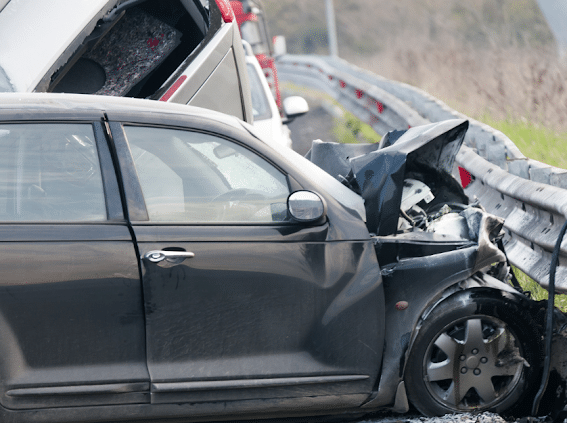
Delayed Symptoms After an Accident
Many people feel relatively normal immediately after a collision because adrenaline can temporarily mask pain. Hours or even days later, they may begin experiencing stiffness, headaches, muscle soreness, or limited movement.
Delayed symptoms often include:
- Neck pain
- Shoulder pain
- Lower back pain
- Numbness in the arms or legs
- Headaches
- Dizziness
Ignoring these symptoms may allow an injury to worsen. Prompt medical evaluation can help identify hidden injuries before complications become more serious.
Whiplash Injuries
Whiplash is one of the most common injuries following rear-end collisions. The sudden forward and backward movement of the neck stretches muscles, ligaments, and tendons beyond their normal range.
Although many people recover within several weeks, others develop chronic pain that interferes with daily life.
Complications from whiplash may include:
- Persistent neck stiffness
- Reduced range of motion
- Shoulder pain
- Chronic headaches
- Muscle weakness
- Ongoing nerve irritation
Physical therapy and consistent medical treatment often improve recovery.
Traumatic Brain Injuries
Head injuries range from mild concussions to severe traumatic brain injuries. Even when a person's head never strikes the steering wheel or window, the force of a collision can cause the brain to move inside the skull.
Common symptoms include:
- Memory problems
- Difficulty concentrating
- Confusion
- Fatigue
- Mood changes
- Blurred vision
- Headaches
Some traumatic brain injuries have lifelong consequences that affect employment, education, and personal relationships.
Spinal Cord Injuries
The spine absorbs tremendous force during many vehicle collisions. Damage to the spinal cord can permanently alter a person’s mobility and independence.
Complications may involve:
- Partial paralysis
- Complete paralysis
- Chronic nerve pain
- Loss of sensation
- Muscle weakness
- Difficulty controlling bladder or bowel function
Even less severe spinal injuries, such as herniated discs, can cause ongoing discomfort and require surgery or extended rehabilitation.
Herniated Discs
The discs between the vertebrae cushion the spine during movement. A collision may cause one or more discs to bulge or rupture.
Symptoms often include:
- Sharp back pain
- Pain radiating into the legs
- Tingling sensations
- Muscle weakness
- Difficulty standing or walking
Some herniated discs improve with therapy, while others require injections or surgery.
Chronic Pain
Pain sometimes continues long after broken bones heal or soft tissue injuries improve. Chronic pain can become a medical condition of its own.
People living with chronic pain may struggle with:
- Sleeping
- Working
- Driving
- Household chores
- Exercise
- Social activities
Long-term pain management may include medication, physical therapy, counseling, and specialized medical treatment.
Broken Bones and Long-Term Problems
Fractures are common in moderate and severe car accidents. While many bones heal successfully, complications sometimes develop.
Possible long-term issues include:
- Arthritis
- Reduced mobility
- Improper healing
- Chronic pain
- Permanent weakness
Complex fractures involving joints often require surgery followed by months of rehabilitation.
Internal Injuries
Not every serious injury is visible. Internal bleeding and organ damage can become life-threatening if left untreated.
Possible internal injuries involve:
- Liver damage
- Spleen injuries
- Kidney injuries
- Lung injuries
- Damage to the intestines
Symptoms such as severe abdominal pain, dizziness, fainting, or increasing weakness require immediate emergency medical attention.
Emotional and Psychological Complications
The emotional effects of a serious collision may last just as long as physical injuries.
Some accident victims develop:
- Anxiety
- Depression
- Fear of driving
- Panic attacks
- Sleep disturbances
- Emotional distress
These conditions may affect work performance, relationships, and overall quality of life. Mental health treatment is often an important part of recovery.
Post-Traumatic Stress Disorder
Some individuals experience post-traumatic stress disorder (PTSD) after a severe crash.
Common symptoms include:
- Flashbacks
- Nightmares
- Avoiding driving
- Hypervigilance
- Irritability
- Difficulty concentrating
PTSD may develop immediately or appear weeks after the accident. Professional counseling and therapy often help people manage symptoms.
Soft Tissue Injuries
Soft tissue injuries involve muscles, tendons, and ligaments. Although they may not appear on standard X-rays, they can still be painful and disabling.
Examples include:
- Muscle strains
- Torn ligaments
- Sprains
- Tendon injuries
Recovery often requires physical therapy, rest, and gradual return to activity.
Nerve Damage
Vehicle collisions can compress, stretch, or sever nerves.
Nerve injuries may cause:
- Burning pain
- Numbness
- Tingling
- Muscle weakness
- Loss of coordination
Some nerve injuries improve over time, while others produce permanent symptoms.
Shoulder Injuries
Drivers frequently brace themselves during collisions, placing significant stress on the shoulders.
Common shoulder injuries include:
- Rotator cuff tears
- Dislocations
- Labrum injuries
- Fractures
Shoulder complications may limit lifting, reaching, and other everyday movements.
Knee Injuries
The dashboard often absorbs the force of impact during frontal crashes, making knee injuries relatively common.
Potential complications include:
- Torn ligaments
- Meniscus tears
- Fractures
- Cartilage damage
Some injuries require surgery followed by extensive rehabilitation.
Hip Injuries
High-impact crashes may fracture the pelvis or damage the hip joint.
Hip complications can include:
- Chronic pain
- Limited mobility
- Arthritis
- Hip replacement surgery
Older adults may face particularly difficult recoveries after hip fractures.
Facial Injuries
Airbags, broken glass, and steering wheels can cause significant facial trauma.
Common injuries include:
- Broken noses
- Jaw fractures
- Dental injuries
- Eye injuries
- Facial lacerations
Some facial injuries require reconstructive surgery and may leave permanent scarring.
Vision Problems
Eye injuries sometimes result from flying debris, shattered glass, or head trauma.
Victims may experience:
- Blurred vision
- Double vision
- Light sensitivity
- Eye pain
- Permanent vision loss
Immediate evaluation by an eye specialist may reduce the risk of lasting damage.
Hearing Problems
Head trauma can affect hearing and balance.
Possible complications include:
- Ringing in the ears
- Hearing loss
- Dizziness
- Balance disorders
These symptoms may interfere with work, driving, and normal daily activities.
Complications From Airbag Deployment
Airbags save lives, but they can also cause injuries.
Examples include:
- Burns
- Facial bruising
- Wrist fractures
- Eye irritation
- Chest injuries
Although these injuries are generally less severe than those prevented by airbags, they may still require medical care.
Seat Belt Injuries
Seat belts greatly reduce the risk of death and catastrophic injury, but they can also leave injuries during serious collisions.
Possible complications include:
- Bruising
- Rib fractures
- Shoulder injuries
- Abdominal injuries
- Soft tissue damage
Doctors often examine seat belt bruising carefully because it may indicate hidden internal injuries.
Aggravation of Pre-Existing Conditions
Many people already live with arthritis, back pain, or previous injuries before a crash occurs.
A collision can worsen conditions such as:
- Degenerative disc disease
- Arthritis
- Old fractures
- Prior spinal injuries
- Previous knee injuries
An accident does not have to create a completely new injury to cause significant medical problems.
Complications During Recovery
Recovery is rarely a straight path. Some patients experience setbacks that prolong healing.
Examples include:
- Surgical infections
- Delayed bone healing
- Scar tissue formation
- Chronic inflammation
- Reduced mobility
Ongoing medical care helps doctors identify and treat these complications early.
Financial Complications
Medical recovery is only one challenge after a car accident.
Many people also face:
- Hospital bills
- Rehabilitation expenses
- Prescription costs
- Lost wages
- Reduced earning capacity
- Vehicle repair expenses
Financial stress often increases while injured individuals are unable to return to work.
Employment Challenges
Some injuries prevent people from returning to their previous jobs.
Workers may experience:
- Reduced physical ability
- Difficulty lifting
- Limited standing
- Cognitive problems
- Reduced stamina
Some individuals require vocational rehabilitation or career changes because of permanent limitations.
Family and Relationship Difficulties
Serious injuries often affect entire families.
Common challenges include:
- Increased caregiving responsibilities
- Financial pressure
- Emotional stress
- Changes in household roles
- Reduced participation in family activities
Strong support systems can play an important role during recovery.
Reduced Quality of Life
Some accident victims find they can no longer participate in hobbies they once enjoyed.
Activities that may become difficult include:
- Sports
- Exercise
- Traveling
- Gardening
- Playing with children
- Household projects
These losses may significantly affect emotional well-being and overall life satisfaction.
Long-Term Rehabilitation
Some injuries require months or years of rehabilitation.
Treatment may involve:
- Physical therapy
- Occupational therapy
- Speech therapy
- Pain management
- Psychological counseling
Successful rehabilitation often depends on following medical recommendations consistently.
Multiple Injuries Create Additional Challenges
Many people suffer several injuries at the same time.
For example, someone may experience:
- Broken ribs
- A concussion
- A shoulder injury
- Whiplash
- Emotional trauma
Treating multiple injuries simultaneously often increases recovery time and medical costs.
Weather-Related Accident Complications in Pittsburgh
Pittsburgh experiences snow, ice, rain, and fog throughout the year. These conditions not only contribute to accidents but may also complicate injuries.
Cold weather can worsen muscle stiffness and joint pain during recovery. Slippery sidewalks increase the risk of additional falls for individuals already using crutches or braces. Poor weather may also delay medical appointments and physical therapy sessions, slowing the healing process.
The Importance of Following Medical Advice
Following treatment recommendations improves the likelihood of recovery.
Patients should:
- Attend follow-up appointments
- Complete physical therapy
- Take medications as directed
- Report new symptoms
- Avoid returning to strenuous activities too soon
Stopping treatment prematurely may prolong recovery or increase the risk of permanent complications.
Documenting Ongoing Symptoms
Some complications develop gradually over weeks or months.
Keeping records can help track:
- Pain levels
- Mobility changes
- Medical appointments
- Prescription medications
- Missed work
- Daily limitations
Accurate documentation helps physicians evaluate progress and understand how injuries affect everyday life.
When to Seek Immediate Medical Care
Some symptoms require emergency treatment after a collision.
Seek immediate medical attention if you experience:
- Chest pain
- Difficulty breathing
- Loss of consciousness
- Severe headaches
- Confusion
- Weakness in the arms or legs
- Heavy bleeding
- Severe abdominal pain
Prompt treatment can prevent complications from becoming life-threatening.
Protecting Your Health After a Pittsburgh Car Accident
The period immediately following a car accident is often the most important for protecting your health. Even if injuries seem minor, a medical evaluation can identify hidden conditions before they become more serious. Following treatment recommendations, attending follow-up appointments, and monitoring new symptoms all support a safer recovery.
Because every accident affects people differently, no two recoveries are exactly alike. Some individuals heal within weeks, while others face months or years of rehabilitation. Understanding the common complications associated with car accidents in Pittsburgh helps victims recognize potential problems early, obtain appropriate medical care, and make informed decisions as they work toward recovery.

