


Google’s AI assistant for smartwatches is getting closer to a truly hands-free experience. An app teardown of Gemini for Wear OS hints at an upcoming “follow-up” mode that would leave the mic open after a response, allowing for an entire conversation without re-tapping the on-screen holler.
What the most recent Wear OS app strings show
In the Gemini app for Wear OS, version 1.26.6.804623660, new text strings suggest an option known as “Always Open Mic for Follow-on,” which is exposed internally using settings_button_debug_always_open_mic_title.
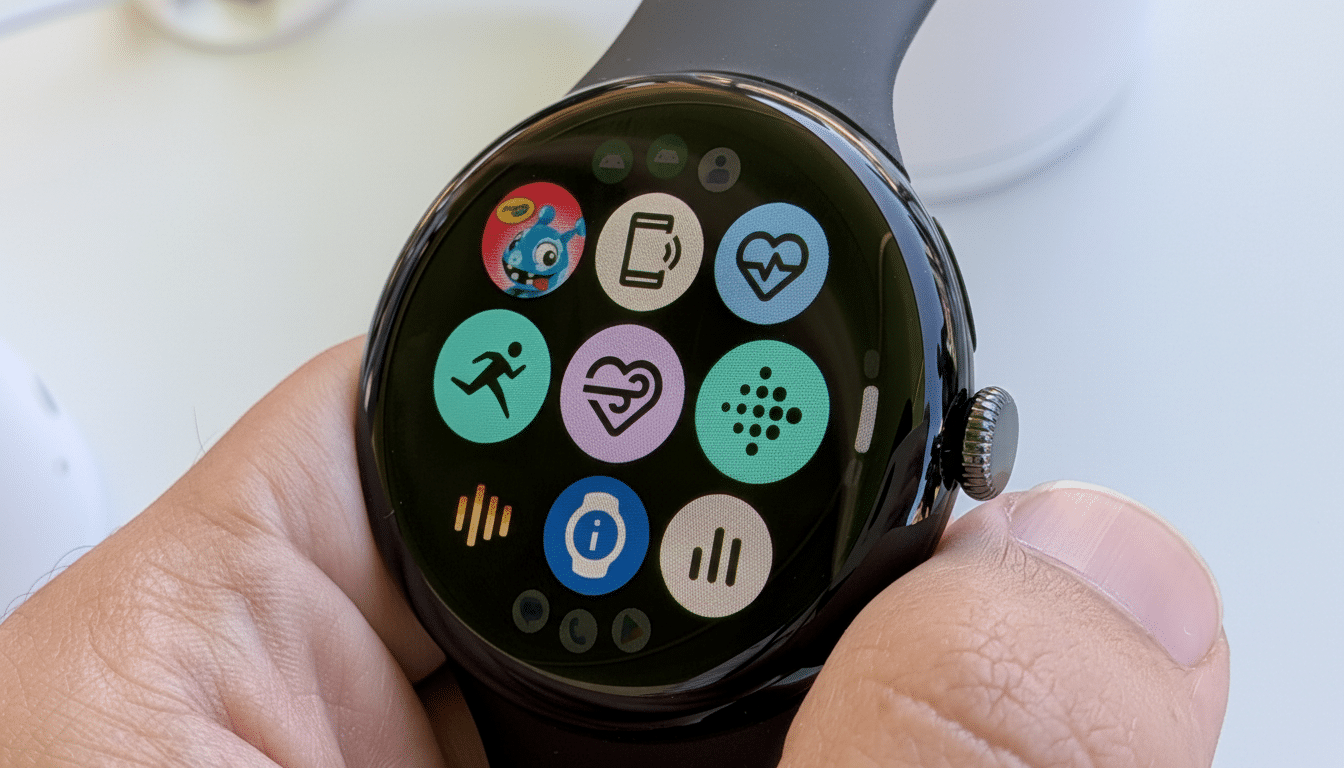
The feature isn’t live for users right now, but the language is clear: Gemini users may soon find their mic turned back on after they pause speaking, in a manner similar to how that functionality works with some smart speakers.
It’s a well-trodden idea in voice tech. Amazon’s Alexa has Follow-Up Mode, which listens for 5 seconds after a response, and Google Assistant already had Continued Conversation on speakers and smart displays. Applying that behavior to the wrist would be a significant usability leap for Wear OS.
Why hands-free AI on a smartwatch truly matters
Wearables rise and fall on friction. On a one- to two-inch screen, each extra tap or swipe is a tax on attention. On watches, users must tap the mic again for each follow-up question of the Gemini flow today. That’s workable at a desk, but it’s awkward when you’re running, laden with bags, or wearing gloves.
A follow-up mode would allow you to invoke “Hey Gemini” one time, ask for the weather, then say “and set a 10-minute timer” on-the-fly without touching the display. It’s in tune with how people already communicate, and it might make AI on the wrist something that works for more than one-shot queries.
How hands-free follow-ups might work in practice
On Google’s part: if it mirrors its speaker behavior, the watch would keep the mic active for a short period after each reply, waiting to hear a follow-up cue. You can expect clear visual indicators—like a pulsing light—and a relatively brief listening window to strike the right balance between being responsive without compromising privacy (or battery life).
Voice activation is already a thing on Wear OS (through “Hey Gemini”), and having it triggered by wake word invocation along with automatic follow-ups would make the world’s first truly touch-free Gemini experience, directly from the wrist.
The trick will be knowing when to take turns: when you’ve stopped yammering, your assistant should respond; it should not get jolted awake in loud rooms.
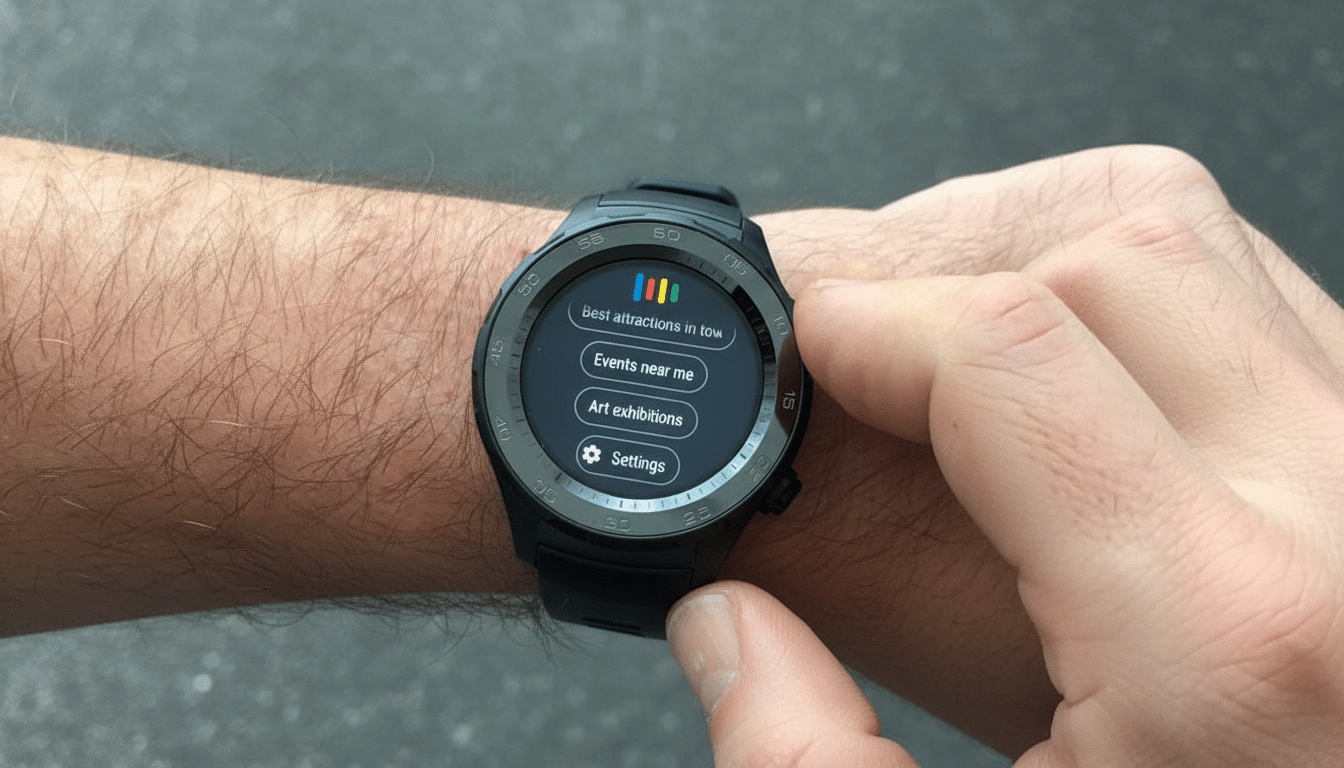
Voice replies toggle arrives on Wear OS watches now
With the follow-up hint comes another new function in the latest Gemini update for Wear OS: you can now turn off spoken responses completely and have them appear as on-screen text only.
Until now, muting mid-reply would have had to be done manually every time. Now, if you frequently mute, you can avoid pushing that button by getting immediately prompted to keep your mic off, except in boisterous meetings, at the gym, or late at night.
This toggle seems to be live on watches that have Gemini, devices currently limited to Wear OS 4 and up, so if you own any of the recent Galaxy Watch or Pixel Watch models on this list that were released in 2022 or later, then you can benefit from it now rather than wait for hands-free follow-ups.
Privacy, battery, and the developer effects
An always-open follow-up mode invites some practical queries. The potential for unending or on-and-off mic access can drive power draw upward, and accidental activations are a concern in busy spaces. Look for conservative defaults: short post-reply listening windows, visual mic indicators, and simple on-wrist controls to pause listening or turn the mode off altogether.
And for developers, whose own conversational turns could be streamlined, this could open up richer intents. Think multi-stage routines — “log my run, then message my spouse I’ll be 20 minutes late” — and having the assistant carry context from one turn to another without requiring the user to drop back into mic mode. That’s a better fit for watches than deep app navigation.
The bigger picture for AI on the wrist and Wear OS
Google has distributed Gemini across screens and speakers, so the wrist makes sense as a next frontier. A trustworthy hands-free loop could enable Wear OS to compete with voice-first experiences elsewhere, while the text-only response button would put more of the power in users’ hands as to when and where AI should talk back.
As with all APK teardowns, there’s the possibility that things could change or not ship at all. But the infrastructure is in place, and follow-up mode paired with more refined audio controls suggests that Google is committed to making wrist-based AI feel less like a proof-of-concept and more like a daily habit.
