


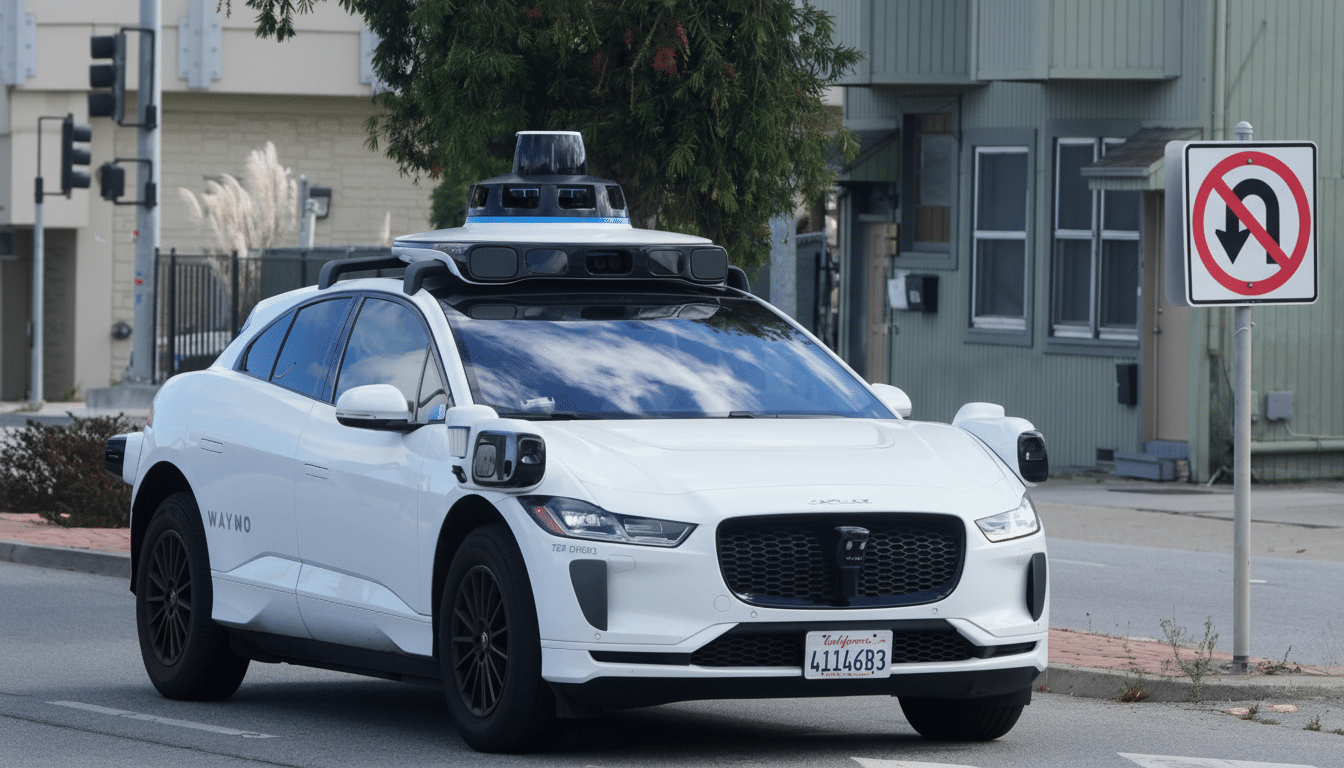
Waymo has introduced supervised autonomous driving in Philadelphia with trained safety operators behind the wheel as it maps streets and familiarizes its software within one of America’s most complex urban networks. The deal adds the city to Waymo’s growing test footprint, even while it investigates gathering data manually in Baltimore, St. Louis, and Pittsburgh.
It’s part of a new Northeast thrust for the Alphabet-owned firm as it grows robotaxi operations and targets one million rides per week by the end of 2026. Although no timeline could be provided for a commercial launch in Philadelphia, Waymo is indicating that lessons from this city’s aggressive driving culture, variable weather, and multimodal mix will determine how the company moves forward more broadly.
Applicability: Why Philadelphia Matters for Testing
Not many U.S. cities squeeze as many edge cases per mile as Philadelphia does. Narrow rowhouse streets, trolley tracks, complex signal phasing, construction zones, and traffic circles galore all serve to challenge the autonomous vehicle systems at work here. And there are seasonal challenges — from leaf-slicked pavement to snow piles that shrink lanes further.
Local safety needs are pressing. Under the city’s Vision Zero program, there were more than 100 traffic deaths most years recently; high-injury corridors played an outsized role in those numbers, Philadelphia has said. Just in: In some years, Roosevelt Boulevard alone is responsible for a double-digit percentage of the city’s vehicle fatalities, which is why advanced driver assistance and autonomy research here receives such intense public scrutiny.
The ability to drive safely around buses, bike lanes, school zones, and loading activity will be a key test. For Waymo’s perception stack — its combination of lidar, radar, and cameras all mashed up into one model — Philadelphia presents a tight sampling of the street-level ambiguity that often confounds less mature systems.
How the Pilot Will Work in Philadelphia’s Streets
Waymo’s first stage relies on human safety operators who can seize control at any time. Early routes tend to emphasize daytime, fair-weather driving in geofenced areas where the vehicles are gathering high-resolution mapping data and learning how to perform around locally idiosyncratic infrastructure details, from exotic crosswalk layouts to trolley track geometry and odd lane markings.
The company has not provided specifics on service boundaries or an expansion timeline. Given past city launches, anticipate iterative growth: start with lower-speed corridors, expand exposure to night driving and wet conditions, and gradually add in more challenging intersections and arterials as confidence builds and regulators get up to speed.
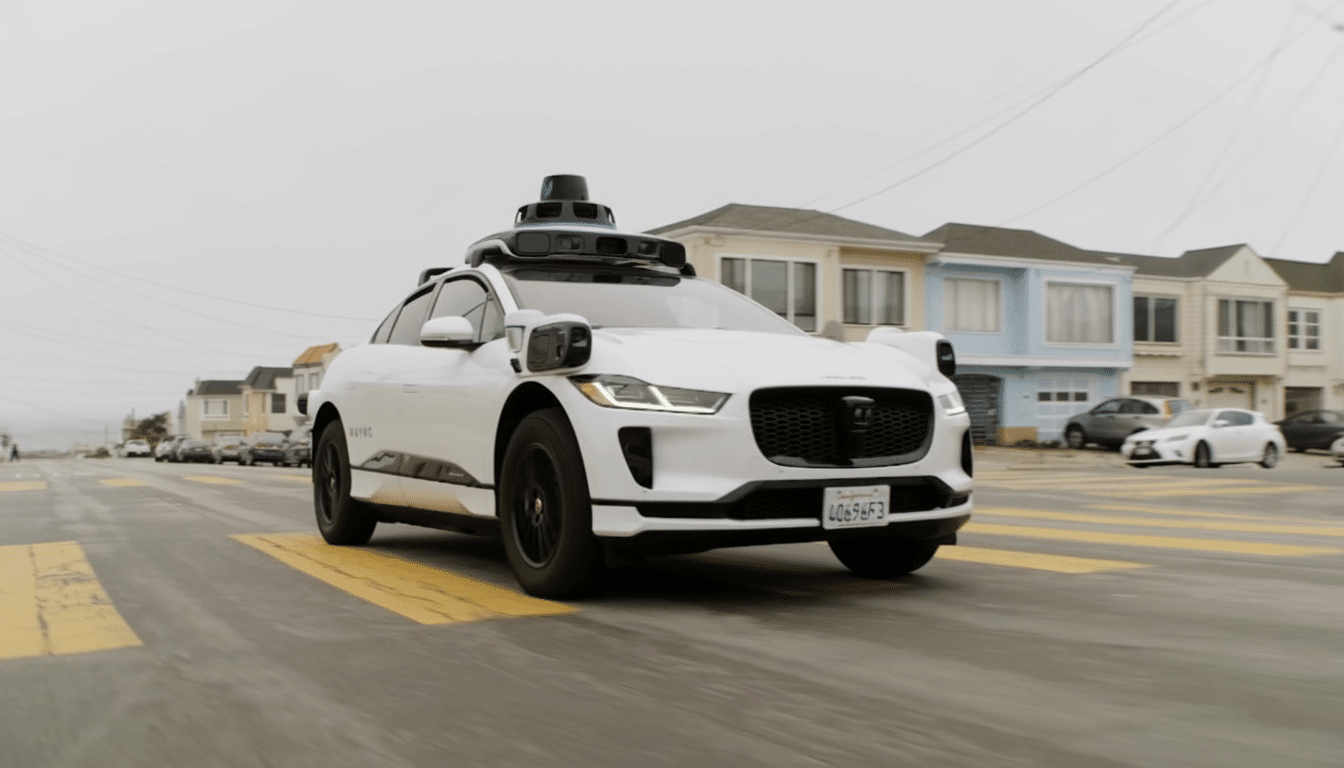
Waymo says its autonomous operations are five times safer than human drivers, based on its latest internal safety performance data and third-party-reviewed methodologies. And the success of Philadelphia’s program will be closely monitored to see how those claims play out on a Northeastern street grid that is different from Sun Belt cities where many other AV programs began.
Regulatory and Safety Oversight in Pennsylvania
Act 117 in Pennsylvania created a structure for testing and operating autonomous vehicles, including safety plans for local law enforcement and state notifications. PennDOT released specific instructions on how such accidents should be reported and coordinated with local responders — preconditions Philadelphia officials have said are key to public trust.
The National Highway Traffic Safety Administration is investigating how Waymo treated school buses at the federal level, after incidents involving the vehicles occurred in other cities. Waymo has said that it made available software updates to fix those situations. Training in Philadelphia, with safety operators on board, provides even more oversight as the company tests the changes in new traffic scenarios, including among numerous school loading zones and on narrow neighborhood streets.
What It Means for Robotaxi Rollouts in Philadelphia
Philadelphia is the latest addition to a lineup of 20-plus U.S. metros where Waymo is experimenting, prepping service, or providing rides, such as on freeway segments in Los Angeles and Phoenix, or across sections of the San Francisco Bay Area. In a few markets, Waymo has teamed with ride-hailing companies to speed up adoption; the company has employed such a model in other locations and potentially could explore partnerships that way here, tapping existing rider demand.
If successful in Philadelphia, it would mean the autonomous systems can manage so dense — and transit-heavy — a city on the East Coast at scale — a higher bar than wide-lane, sun-scraped suburbs. It could also help shape how AVs mesh with public transit, curb management, and loading policies as cities rewrite rules to balance safety, equity, and efficiency.
For now, the milestone is modest, not visionary: supervised testing, tightly bounded routes, and incremental growth. But the decision to hold it in Philadelphia is tactical. And if the vehicles can learn to drive here — consistently, carefully, and without drama — it will bolster the case that autonomous ride-hailing can go from pilot to practical in America’s most challenging urban environments.
