


Waymo has explained reasons its driverless cars stacked up at intersections during San Francisco’s big power loss and said a fix is on the way.
The company said a crush of “confirmation checks” to its remote support staff, set off when traffic lights went dark, had created a bottleneck that kept some vehicles in place at intersections rather than allowing them to proceed through four-way stops.
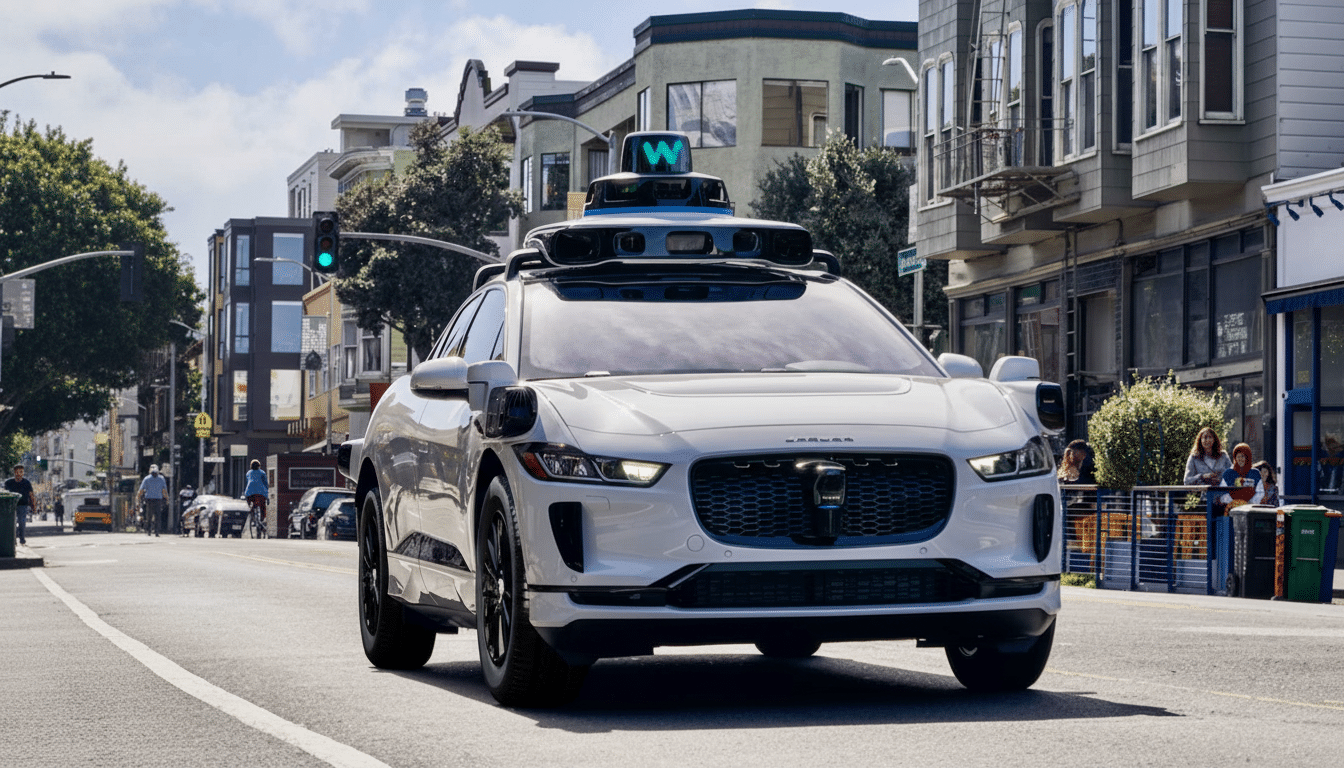
Reasons vehicles stopped at black signals
By design, Waymo’s self-driving system responds to a dead signal with an all-way stop, which under California law is the rule that human drivers are expected to follow. That baseline performance operated across the majority of the city, according to the company, which said that its fleet successfully navigated more than 7,000 dark signals during the outage. But the edge case was not that specific stop — it was the sheer number of cars all at once asking the operations center to endorse such behavior.
Each Waymo vehicle can request an extra level of confirmation if conditions are unfamiliar. Those commands don’t give up driving to humans; they serve as a test that the system has reason to do what it’s doing. Because so many intersections blinked out at once, confirmations surged and some cars idled in place for an answer, adding to the congestion that nearby residents recorded on video.
What the software update does to handle power outages
Waymo said it is also adding “power outage context” to the autonomy stack so that the vehicles can drive more decisively without queuing for remote validation. In practice, that will mean the system is recognizing regional patterns — many signals failing within a certain area — and leaning on its four-way-stop policy without waiting for an additional look. The company is also fine-tuning when and how cars ask for confirmations to coincide with a bigger service footprint.
The update marks a wider evolution from the cautious early deployment to city-scale operations. With less traffic on the road, a lot of confirmations gave them extra margin with little cost. At scale, the same thresholds can elicit unnecessary delays for rare but citywide conditions, such as a blackout.
Remote assistance bottlenecks exposed by blackout
The incident underscores a familiar tension in autonomous operations: You should be able to get help remotely, without becoming dependent on it. Waymo has long made the point that remote employees don’t joystick cars, rather they authorize or explain intent at a high level. This model scales well under normal variation but can be stretched when many cars meet the same anomaly at once.
In a city that has about 1,200 signalized intersections, according to the San Francisco Municipal Transportation Agency, a sweeping outage turns dozens of junctions into all-way stops, which can dramatically cut the number of automobiles flowing through an intersection.
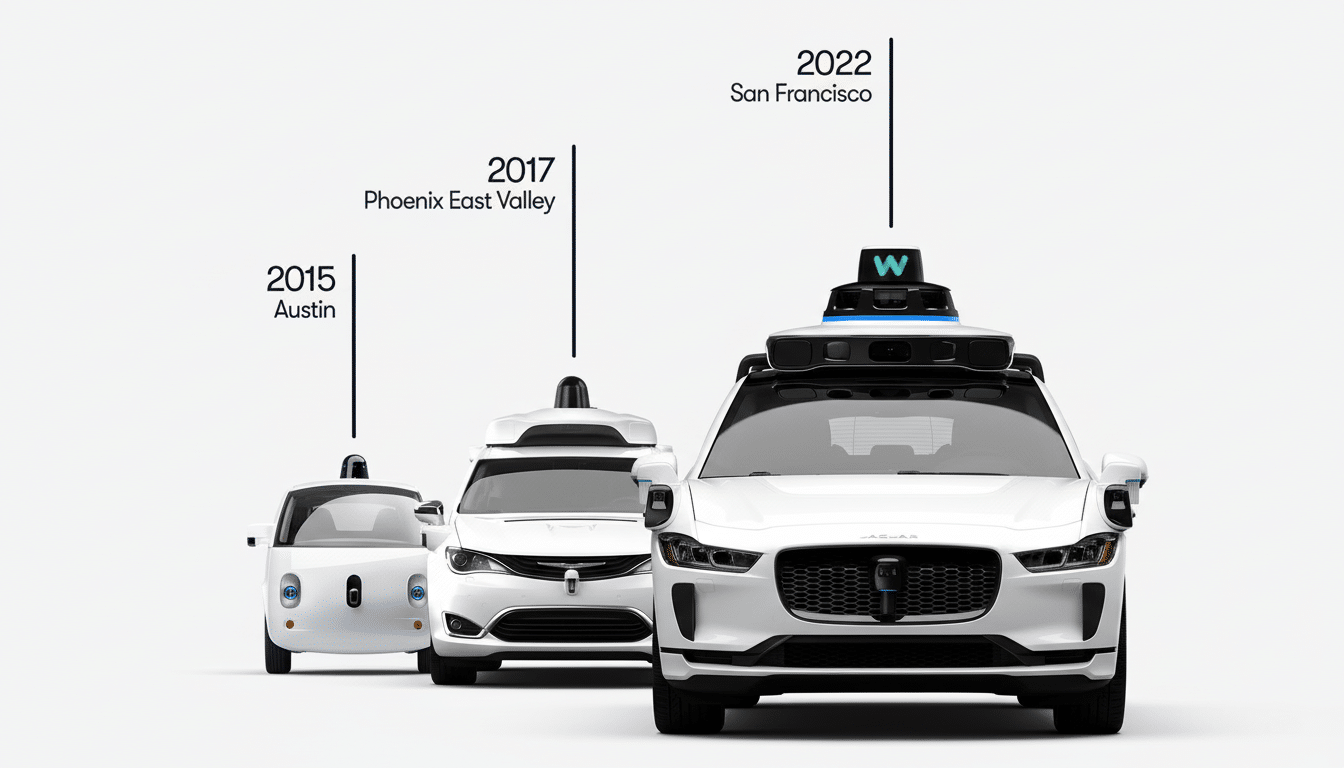
Hang a queue of waiting cars in the balance and traffic can clusterfuck quickly. Waymo says it is updating its emergency playbooks with the software changes — an admission that resilience is as much an operations problem as a perception-and-planning problem.
Context and track record of safety for Waymo
Regulators will interpret this as yet another instance of how the improbable stress-tests autonomy. Waymo has previously issued updates to how it responds to interactions with children and stopped school buses, a scene that came under the close watch of the National Highway Traffic Safety Administration and resulted in a recall campaign for tweaks. The company’s wider safety record spans millions of autonomous miles driven in Phoenix, San Francisco and beyond, as well as internal data analyses that compared collision rates favorably against human baselines — even though external affirmation has been a point of contention for policymakers.
The San Francisco episode also arrives in a city that has already suffered tough lessons in driverless operations — including the suspension of permits by California for another company’s autonomous vehicle after a pedestrian was injured. That backdrop raises pressure on every provider to prove not simply average safety, but robust fail-safes in black swan events.
What Cities And Regulators Will Watch Next
As they review the new logic, officials at agencies like the California Public Utilities Commission, the Department of Motor Vehicles, and local transportation departments are likely to zero in on three things:
- Whether it removes unnecessary confirmation requests during outages.
- How long fleets take to recover when communications are saturated.
- How well AV operators coordinate with utilities and first responders as grid failures cascade across neighborhoods.
There are simple optimizations to try, like ingesting utility outage feeds and pre-emptively maneuvering vehicles out of affected areas so they can prioritize alternative routes with more lanes. The harder job is calibrating autonomy thresholds so vehicles stay wary when a single dark signal comes on but don’t stop en masse if hundreds turn black simultaneously.
Waymo’s position is that the outage was a stress test, not evidence of systemic failure. The company is hoping that more context in the stack and leaner remote workflows will keep cars moving when the lights go out again. The real test will be when the grid flickers again — and whether the streets keep running.
