


Waymo has started operating fully driverless robotaxis in Nashville, moving beyond safety-driver testing and signaling an imminent commercial rollout of its Waymo One service in the city. The move puts Music City on the short list of U.S. markets where Alphabet’s autonomous vehicles handle trips without a human behind the wheel.
What Going Driverless Means For Nashville
Driverless testing is typically the last checkpoint before opening rides to the public. In practice, it means Waymo’s electric Jaguar I‑Pace SUVs, fitted with the company’s fifth‑generation sensor suite and software stack, can independently manage complex urban scenarios—merging, unprotected turns, lane changes, and interactions with scooters, cyclists, and delivery vans—across a defined service area in Nashville.
- What Going Driverless Means For Nashville
- How Riders Will Hail a Car with Waymo One in Nashville
- Safety Record and Oversight of Waymo’s Nashville Service
- Why Nashville Is the Next City for Driverless Waymo
- Key Metrics That Will Matter Next for Nashville Rollout
- Bottom Line on Waymo’s Driverless Launch in Nashville
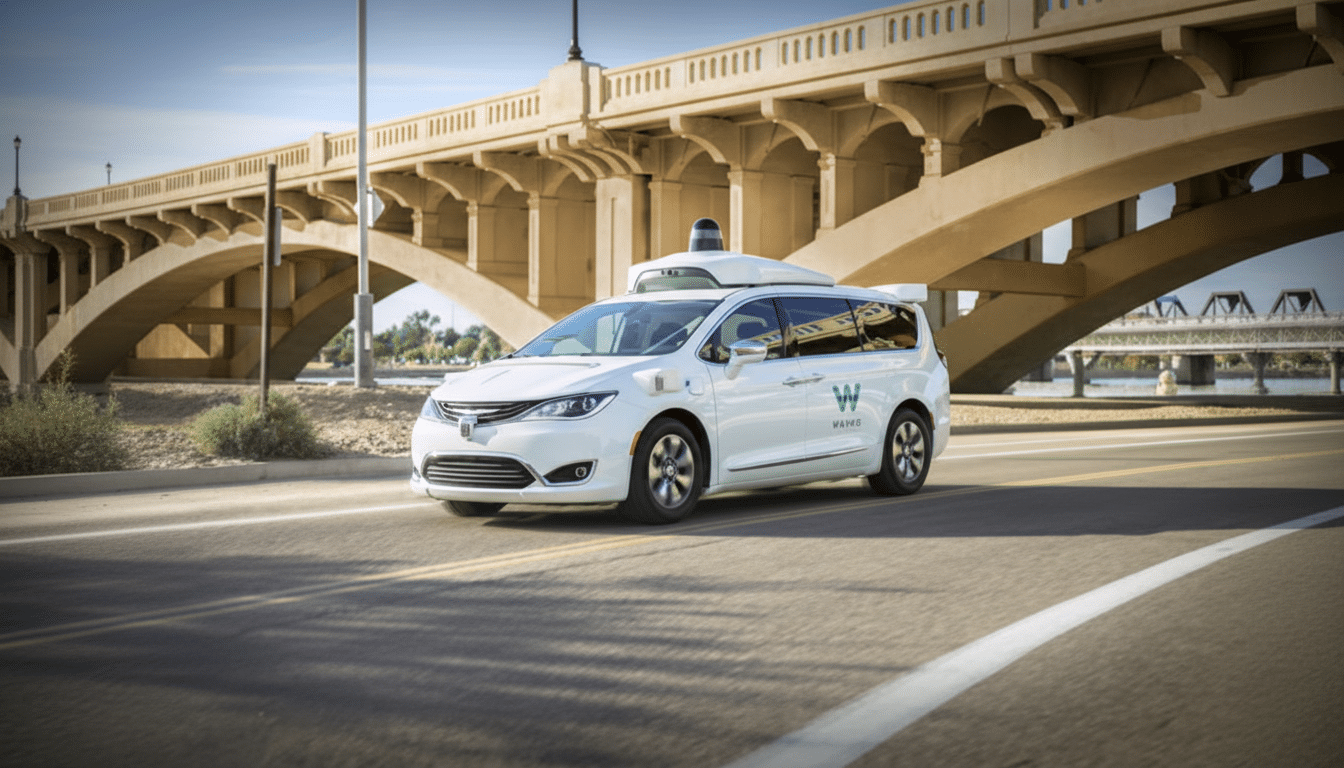
Tennessee’s statewide framework for automated vehicles allows companies to operate without a human driver when certain insurance, reporting, and vehicle compliance conditions are met. That regulatory clarity, paired with Nashville’s fast‑growing population and event‑driven traffic surges, makes the city an ideal proving ground for robotaxis aiming to demonstrate reliability at scale.
How Riders Will Hail a Car with Waymo One in Nashville
Waymo says initial service will run through the Waymo One app, with a phased onboarding that often starts via a waitlist. The company also plans to surface rides within the Lyft app through an existing partnership, widening visibility and letting riders choose a driverless option alongside traditional ride‑hailing categories. Early rollouts in other cities typically begin with core corridors and expand as mapping and performance data support wider coverage.
Fares in prior Waymo markets have generally tracked competitive ride‑hail pricing, varying by time and demand. In‑app support handles pickup adjustments, while remote fleet specialists can assist vehicles in rare edge cases—like a sudden road closure or errant construction signage—without taking over driving.
Safety Record and Oversight of Waymo’s Nashville Service
Waymo’s safety case rests on a mix of simulation, structured testing, and real‑world miles. The company has publicly reported millions of rider‑only miles with zero fatalities and cites internal analyses showing lower rates of police‑reportable and injury‑causing crashes compared to human drivers in comparable conditions. Independent scrutiny continues alongside those claims: the National Highway Traffic Safety Administration opened an evaluation into certain Waymo automated driving incidents, part of the federal government’s broader oversight of autonomous operations nationwide.
Local coordination is equally important. Expect close collaboration with the Nashville Department of Transportation and Multimodal Infrastructure and first responders on geofenced routes, emergency procedures, and data‑sharing. The toughest tests will likely occur during big‑crowd weekends and severe weather swings, where machine‑learning systems must reconcile dense pedestrian flows, temporary traffic controls, and reduced sensor visibility.
Why Nashville Is the Next City for Driverless Waymo
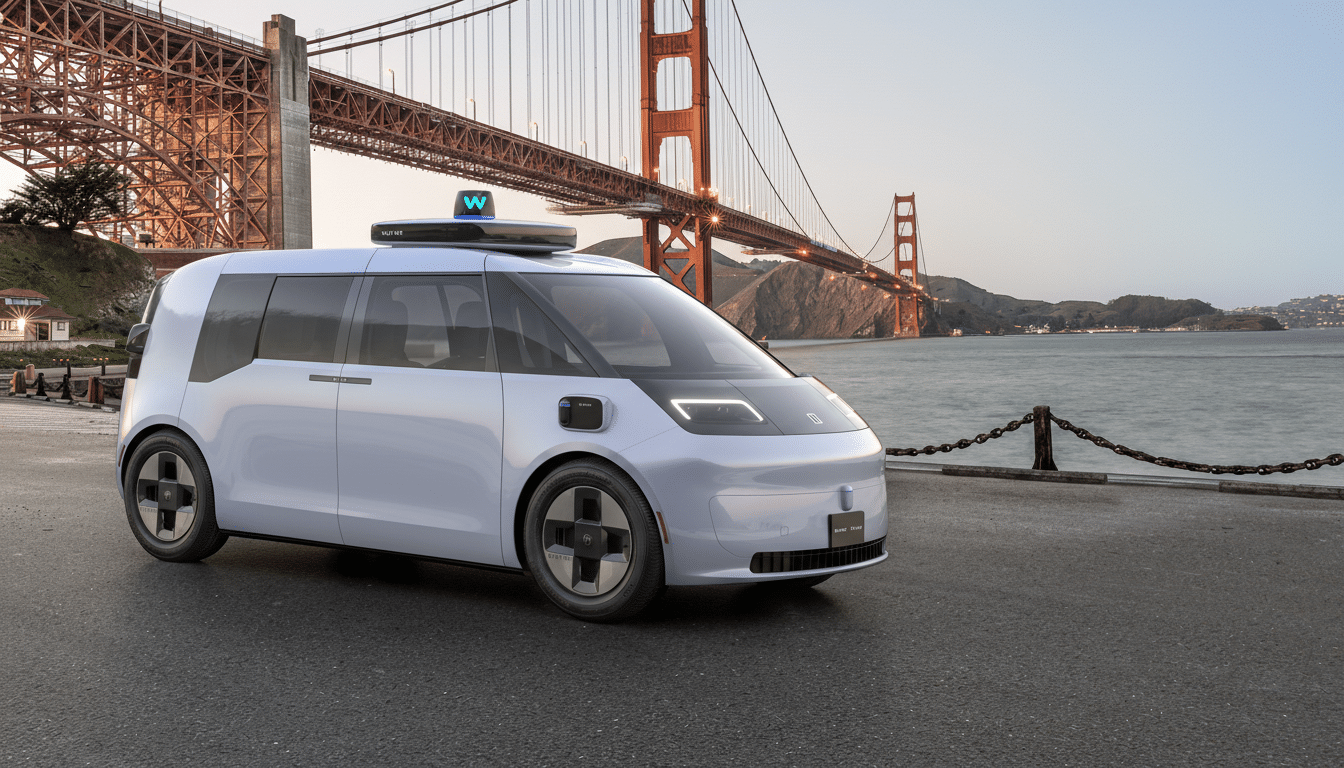
Waymo has been incrementally expanding its footprint, most recently turning on fully autonomous rides in Miami and conducting visible on‑road tests in London. The company also announced a sizable $16 billion financing round and outlined plans to enter more than 20 additional cities, indicating a push to scale beyond early strongholds like Phoenix and San Francisco.
For Nashville, the upside is twofold: better late‑night mobility in a tourism‑heavy core and supplementary coverage during peak events when traditional ride‑hail supply gets thin. If execution mirrors Waymo’s more mature markets, waits should shorten as the fleet grows, with pickup precision improving in busy curb zones over time.
Key Metrics That Will Matter Next for Nashville Rollout
Three signals will reveal how ready Nashville is for broad deployment: service reliability (on‑time arrivals and completed trips), incident transparency (clear reporting on any collisions or disengagements), and rider sentiment (repeat usage, ratings, and complaints). City officials will also watch how the fleet interacts with bike lanes and temporary street closures—a frequent source of friction in dense entertainment districts.
Autonomous driving succeeds or fails on trust, and trust is empirical. If Waymo sustains low collision rates, keeps vehicles available when people actually need them, and addresses corner cases quickly, driverless rides could shift from novelty to default choice for many trips in Nashville.
Bottom Line on Waymo’s Driverless Launch in Nashville
By removing the safety driver, Waymo is signaling that its robotaxis are ready for prime time in Nashville. The company’s next steps—opening the app to more riders, expanding the service map, and maintaining a transparent safety record—will determine how fast driverless mobility becomes part of the city’s everyday transportation mix.
