


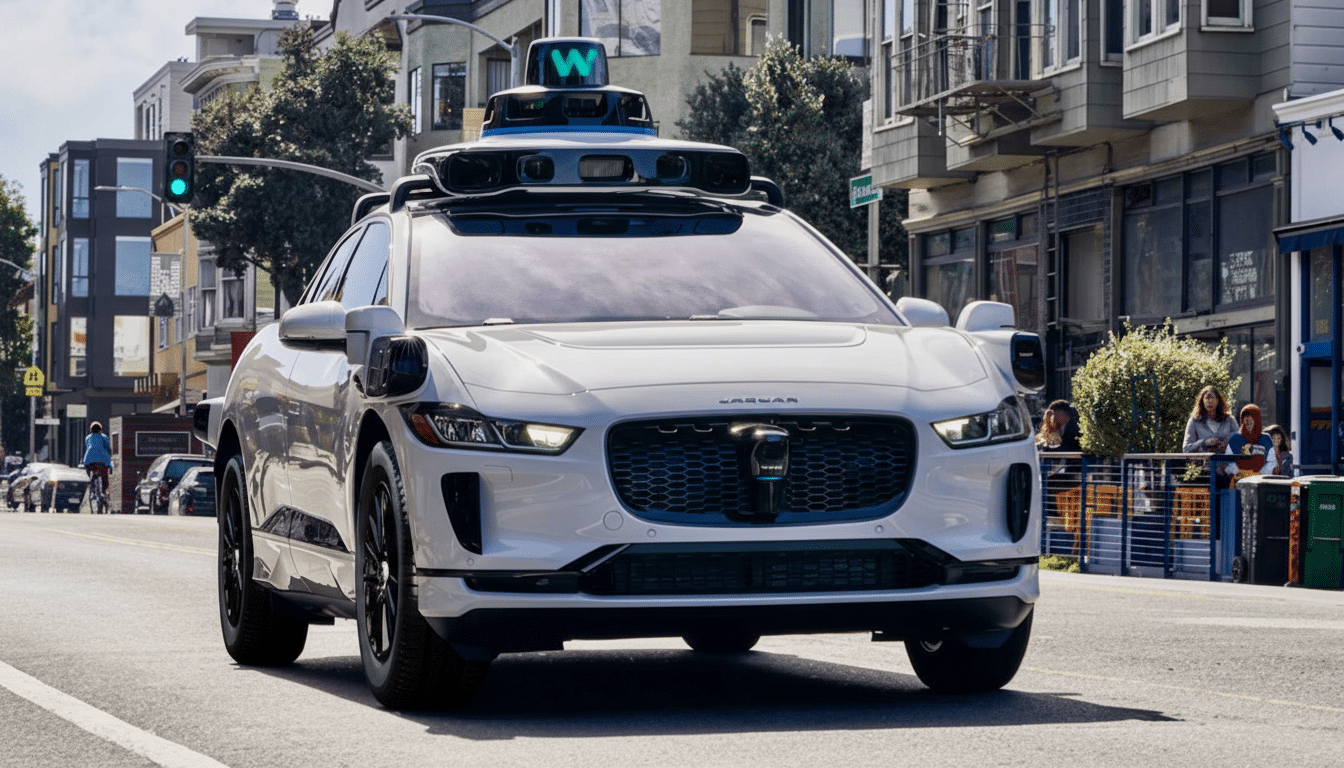
A self-driving Waymo vehicle struck a child near an elementary school in Santa Monica, prompting a federal investigation and renewed scrutiny of autonomous operations in school zones. The company says the child suffered minor injuries and that it is cooperating with safety regulators.
What Happened at the Scene Near the Santa Monica School
Waymo reported that its robotaxi braked hard from roughly 17 mph and made contact at about 6 mph after a young pedestrian moved into the road from behind a tall SUV. The company said the vehicle detected the person as soon as they started to emerge but had limited time and distance to stop. After the contact, the child stood up and moved to the sidewalk as Waymo personnel called 911. The car remained stopped and then pulled to the curb when law enforcement allowed it to clear the lane.
- What Happened at the Scene Near the Santa Monica School
- Federal Investigations Already Underway
- School-Zone Challenges for Autonomous Driving Systems
- How This Fits into Waymo’s Broader Autonomous Safety Record
- What Regulators Will Scrutinize in the Santa Monica Case
- What Comes Next for Waymo, Regulators, and Local Schools
According to the National Highway Traffic Safety Administration, the incident occurred within blocks of an elementary school during the morning drop-off window. The agency noted the presence of a crossing guard, other children, and several double-parked vehicles — a mix of occlusions and unpredictable movements that complicate any driver’s job, human or automated.
Federal Investigations Already Underway
NHTSA’s Office of Defects Investigation opened a case to determine whether the Waymo system exercised appropriate caution given the school-zone environment and vulnerable road users nearby. The National Transportation Safety Board has also launched a separate inquiry into Waymo’s behavior around school buses after about 20 alleged bus-passing incidents were reported in Austin, with an earlier report in Atlanta triggering an NHTSA probe. Together, the inquiries signal intensifying oversight of how autonomous fleets perform in the most sensitive parts of city streets.
School-Zone Challenges for Autonomous Driving Systems
School areas are a stress test for any driving system. Sightlines are often blocked by large SUVs and vans, curbside drop-offs invite sudden door openings and mid-block crossings, and children’s movement patterns are less predictable. Even with lidar, radar, and camera fusion, occluded pedestrians can appear with little warning.
Safety researchers have long flagged these edge cases. The Insurance Institute for Highway Safety has shown that pedestrian detection performance degrades in low light and complex scenes, while AAA testing has found inconsistent avoidance when people emerge from behind parked vehicles. Although conditions in Santa Monica included daytime drop-off, the core issue — occlusion — remains among the toughest perception challenges for both humans and machines.
How This Fits into Waymo’s Broader Autonomous Safety Record
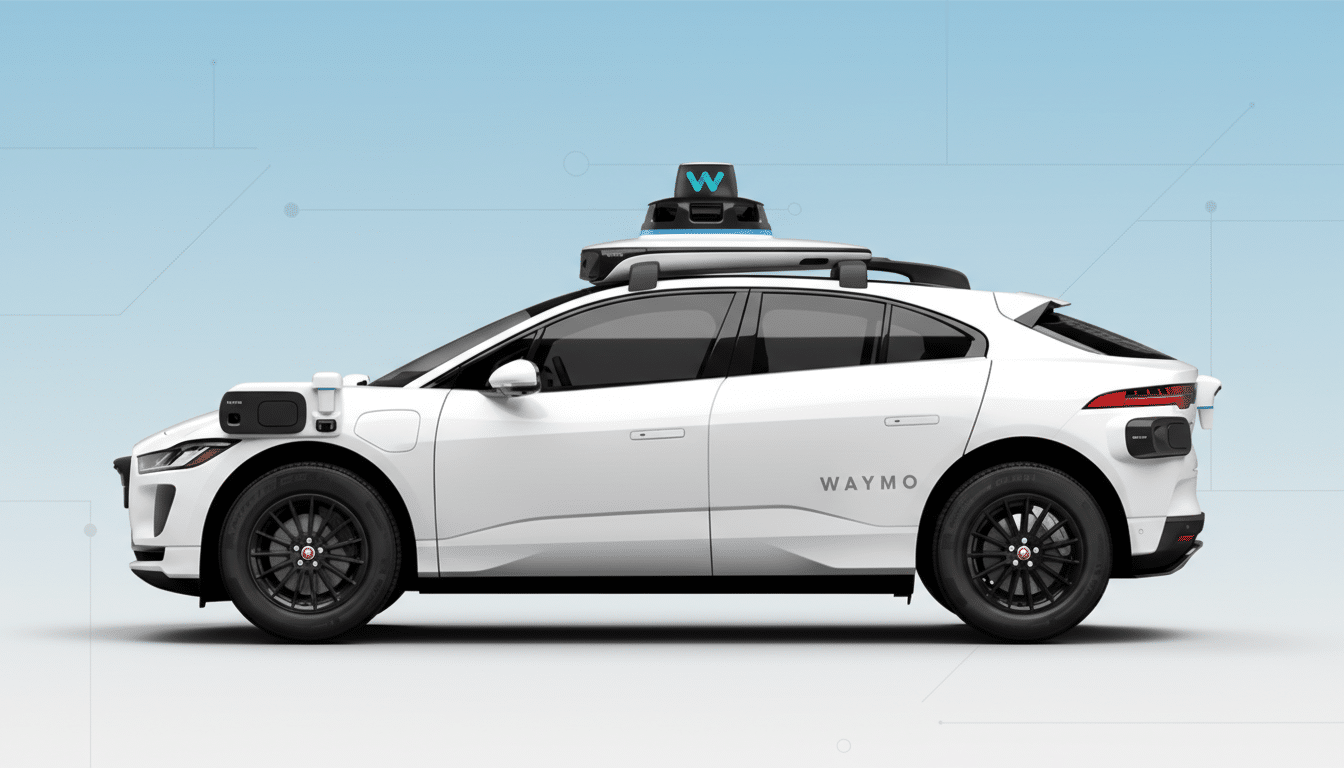
Waymo vehicles have logged millions of autonomous miles on public roads, and the company often cites internal and peer-reviewed analyses to argue that its systems reduce crash severity compared with human drivers. In this case, Waymo says modeling suggests a fully attentive human would likely have made contact at a higher speed, around 14 mph, given the same conditions. The company has not released a full reconstruction of the Santa Monica event, and regulators will review raw data, sensor logs, and decision traces to verify that claim.
Context matters: pedestrian risk nationwide has climbed in recent years. The Governors Highway Safety Association estimates pedestrian fatalities reached levels not seen in decades, underscoring the urgency for improvements across the board — roadway design, driver behavior, and vehicle technology. Whether autonomous operation can consistently outperform humans in dense, child-heavy environments is precisely the question regulators are pressing.
What Regulators Will Scrutinize in the Santa Monica Case
Investigators typically dissect five areas:
- Speed selection
- Perception of occluded pedestrians
- Right-of-way decisions near crosswalks
- Interaction with crossing guards
- Post-incident conduct
They will consider whether conservative school-zone rules — lower maximum speeds, expanded caution zones, or mandatory yielding protocols — should be hard-coded. They will also examine remote assistance policies and geofencing choices during peak school hours.
Recent precedent shows the stakes. In a separate case, California regulators curtailed another company’s operations in response to safety concerns, illustrating how quickly permits can be restricted if systemic issues surface. For Waymo, even a low-speed impact near a school will invite questions about whether the system’s risk thresholds in child-dense areas are conservative enough.
What Comes Next for Waymo, Regulators, and Local Schools
Waymo says it is cooperating fully with federal investigators and reviewing the incident internally. Cities and school districts will expect visible responses: software updates that change how robotaxis crawl near schools, tighter geofences during drop-off and pick-up, and clearer playbooks for interacting with crossing guards. Santa Monica, which pursues Vision Zero goals, may also evaluate curb management and signage to reduce occlusions that imperil children, regardless of who is driving.
For the public, the metric that matters is simple: fewer injuries and safer streets. This incident will be a pivotal test of how quickly autonomous systems can adapt to the most sensitive and unforgiving part of the urban driving domain — the school zone.
