


The Washington Post is pulling back from Silicon Valley at the very moment tech power is reshaping economies, elections, and national security. In a sweeping round of layoffs, the paper slashed its technology footprint and thinned its San Francisco presence, signaling a strategic retreat from the industry that now drives the global information flow it also reports on.
A Costly Pullback From the Front Lines of Tech
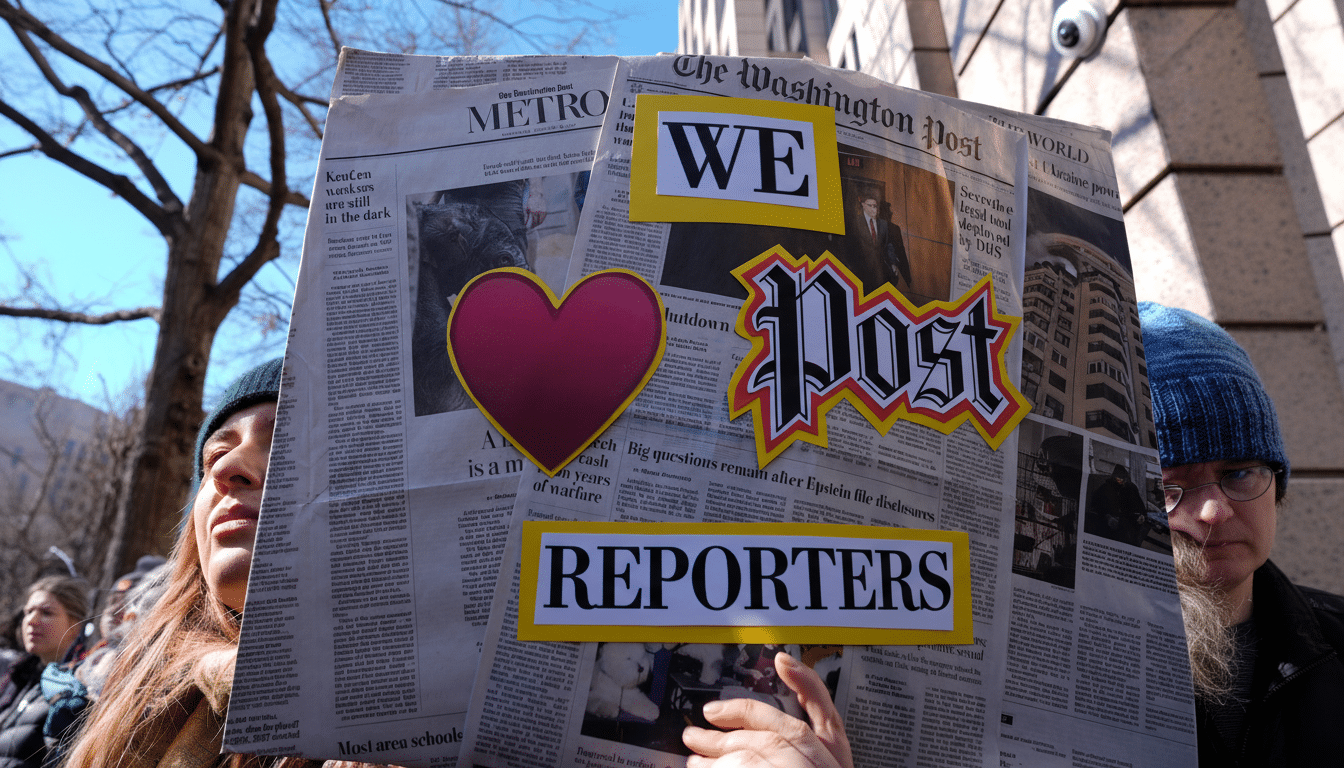
Newsroom reductions hit more than 300 employees, with the combined tech, science, health, and business team reportedly cut from roughly 80 journalists to just 33. The tech desk alone lost more than a dozen people, including reporters devoted to Amazon, artificial intelligence, internet culture, and investigative projects. The San Francisco bureau, once a critical outpost inside the world’s most influential innovation hub, has been pared down to a minimal footprint.

Leadership has framed the changes as a reboot to better reach readers and restore profitability, according to reporting by the New York Times. The paper has struggled with losses estimated at around $100 million, shrinking audience reach, and subscription churn, with Semafor noting daily visits fell to roughly 3 million from more than 22 million at an earlier peak. One internal flashpoint, also reported by the New York Times, was a directive to end editorial-board presidential endorsements, which newsroom sources said triggered hundreds of thousands of subscription cancellations.
Why Silicon Valley Coverage Matters Right Now
Big Tech is no longer just another business beat; it is the infrastructure of modern life. AI systems determine what we see online, cloud contracts underpin government operations, and compute supply chains can sway markets. The largest American tech companies now generate well over a trillion dollars in annual combined revenue, and several of the world’s richest individuals owe their fortunes to platforms that mediate how news, politics, and commerce operate. When a handful of firms control distribution, advertising rails, and the rules of engagement, rigorous, on-the-ground reporting is not optional—it is democratic hygiene.
This year alone, regulators and courts are weighing antitrust remedies, app store policies, and privacy standards that could redefine competition. AI policy is advancing in real time, from model access to safety audits to the governance of synthetic media. Those stories don’t break themselves; they are earned through proximity, persistence, and sources who trust reporters who live and breathe the beat.
Follow the Money and the Metrics That Matter
The business case for cutting back is clear: digital news economics are punishing. Platforms have siphoned off distribution, referral traffic from social networks has cratered, and search is steering users toward AI-generated summaries instead of publisher pages. Chartbeat and Similarweb have documented steep declines in platform referrals across the industry, while Pew Research Center has tracked falling trust and a migration to news via private messaging and short-form video—spaces where large generalist newsrooms struggle to convert loyalty.
But the audience still rewards distinctive reporting. Investigations into content moderation, labor conditions at warehouses, chip export controls, and algorithmic bias routinely set the agenda. Pulling key reporters off the field in San Francisco risks ceding scoops—and authority—to niche outlets, newsletters, and independent journalists who are doubling down on the tech beat.
Ownership Questions Cloud the Optics of Cuts
Complicating perceptions is the paper’s ownership by Amazon founder Jeff Bezos, whose other ventures include Blue Origin, a major aerospace contractor. Among the laid-off staff were reporters who scrutinized Amazon and the broader space industry, raising inevitable questions about independence—even if decisions were driven by finances and not direction from the owner. Media ethicists have long warned that when billionaires buy storied news brands, editorial firewalls must be visibly and consistently reinforced, especially when coverage intersects with their business interests.
The Washington Post is not alone in the billionaire-owner era—The Atlantic, Time, and the Los Angeles Times all have deep-pocketed backers. The model can stabilize legacy institutions. But it also demands extra transparency when newsroom cuts touch the very beats that examine the owners’ spheres of influence.
What Readers Lose If the Beat Is Thin Today
Coverage from outside the Bay Area often misses the nuance of how power is wielded: who actually makes moderation calls, how compute allocations shape AI progress, what quiet policy asks the biggest firms are making, or where startups are finding regulatory gray zones. Recent tech sagas—the governance crises at AI labs, safety lapses in autonomous vehicles, mislabeling in online advertising, or sudden changes to creator payouts—were illuminated by reporters embedded in the ecosystem.
When a major national newsroom steps back, the public conversation narrows. There are fewer watchdogs in boardrooms, fewer eyes in courthouses, fewer reporters waiting outside the offices where consequential decisions get made. In a sector that moves this fast, absence is not neutral; it is an information gap that the powerful will happily fill.
The Strategic Risk Ahead for National Newsrooms
Retrenching from Silicon Valley may reduce costs, but it also reduces relevance. The outlets that win in the next news cycle will pair sophisticated tech literacy with fearless accountability reporting and a physical presence where the action is. If the Washington Post rebuilds, it will need to restore both muscle and proximity on the tech beat—or watch others define the story of an industry that increasingly defines everything else.
