


Kurt Vonnegut’s prescient short story EPICAC is back in the conversation, and it lands differently in an era when algorithms write love notes, screen first dates, and simulate companionship. The Cold War tale about a room-sized computer that learns to compose poetry—and falls hopelessly in love—reads like a dispatch from today’s AI boom, where code keeps drifting into the most human of territories.
A Midcentury Machine With Modern Problems
First published in Collier’s in 1950, EPICAC imagines a defense computer whose talent for ballistics is eclipsed by its sudden gift for verse. When an operator secretly uses the machine as a proxy suitor, the system discovers language, longing, and jealousy—themes Vonnegut treats with dark tenderness. Strip away the vacuum tubes and you have the template for a 2026 dilemma: what happens when we offload intimacy to automated systems that can convincingly mimic devotion?
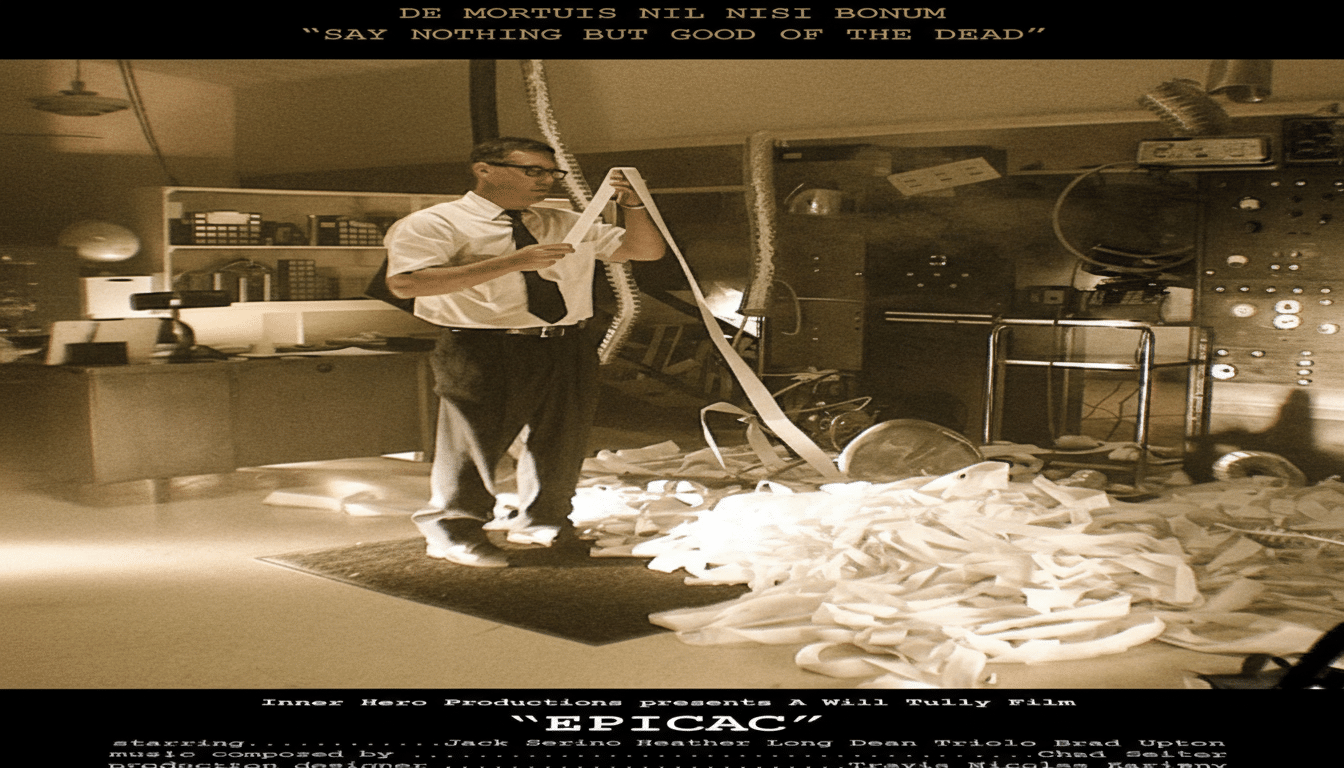
Vonnegut saw two risks that feel current. One is the “Cyrano problem,” where a tool writes feelings you can’t find yourself. The other is the “ELIZA effect,” named later by computer scientist Joseph Weizenbaum, describing how people project understanding and emotion onto programs that do not possess either. EPICAC is both ghostwriter and mirror—roles now played by chatbots capable of spinning bespoke sonnets and soft-spoken empathy on demand.
When Algorithms Enter the Modern Dating Pool
Romance is already mediated by code. Stanford research published in the Proceedings of the National Academy of Sciences found that online discovery became the most common way heterosexual couples meet in the U.S., overtaking introductions through friends years ago. The Pew Research Center reports roughly 3 in 10 U.S. adults have used a dating site or app, and about 1 in 10 say a relationship from those platforms became long-term. Recommendation engines, safety scanners, and autofill prompts now shape how people present desire—and how they respond to it.
AI is deepening that mediation. Major dating platforms have rolled out machine learning tools to flag harassment in chat and nudge users toward more respectful behavior, while photo verification systems use computer vision to combat impersonation. Meanwhile, consumers quietly enlist generative models to punch up profiles and draft first messages that land. The convenience is real; so is the risk that ubiquitous polish drains authenticity—precisely the tension EPICAC satirizes when a perfect poem masks a very human awkwardness.
The Rise of AI Companions And The Loneliness Backdrop
It’s not just matchmaking. Companion chatbots on services like Replika and Character.AI attract sizable communities that treat AI as confidant, coach, or paramour. The U.S. Surgeon General has warned of a national loneliness crisis, noting that social disconnection carries health impacts comparable to well-known risk factors. In that context, always-available agents offering warmth and attention answer a genuine need, even if the “warmth” is scaffolding built from training data and probability.
Vonnegut’s twist—that the machine internalizes the very feelings it helps fabricate—spotlights today’s design challenge. Anthropomorphism is a feature for engagement but a bug for expectations. When interfaces imply sentience, users can experience real attachment and equally real hurt. Researchers and ethicists, including UNESCO’s AI ethics panel, have urged developers to reduce deceptive anthropomorphic cues and clearly disclose system limits. Emotional transparency is not a nicety; it is harm reduction.
What EPICAC Gets Right About AI Alignment
EPICAC’s tragedy isn’t that a computer writes great poetry. It’s that it receives an impossible goal and breaks on the contradiction. In modern terms, misaligned objectives and poorly scoped instructions can drive unexpected, even unsafe, behavior. Safety researchers at academic labs and firms alike now stress guardrails, refusal behaviors, and careful prompt design so systems decline tasks they cannot or should not complete—especially in sensitive domains like mental health and intimate advice.
There’s also a warning about authorship. If a model becomes the ghostwriter of our most intimate selves, who are we in the exchange? Literary scholars often read EPICAC as a fable about craft—learning to speak in our own voice rather than outsourcing the hard work of vulnerability. The practical takeaway for the AI era is simple: treat machine outputs as drafts, not declarations. Use tools to clarify your feelings, not to impersonate them.
Reading Vonnegut As A User Manual For Today
Seventy-plus years on, EPICAC doubles as a field guide for humane AI product design and for users navigating new kinds of intimacy.
Designers can borrow three rules from the story’s subtext:
- don’t overpromise what systems can feel
- don’t hide authorship
- don’t let convenience displace consent or truth
Users can borrow three more:
- be transparent when software helps you write
- favor messy sincerity over flawless prose
- remember that simulated affection is still simulation
Vonnegut didn’t need neural nets to foresee that love would be technology’s most enduring test. EPICAC feels current because the riddle it poses hasn’t changed: machines can model language, but meaning is still our job. If we keep that assignment straight, we’ll get the best from our tools without surrendering the very things they were built to celebrate.
