


Vitruvias Therapeutics has voluntarily recalled one lot of its prescription Thyroid Tablets, USP 30 mg, after testing confirmed the potential for the tablets to be more potent than intended. The nationwide recall is limited to Lot 504950, but it carries practical importance for people treated for hypothyroidism because excess thyroid hormone can produce cardiovascular symptoms and other potentially serious effects.
The company’s recall announcement, published by the Food and Drug Administration on Aug. 24, says patients should not stop taking the medicine on their own. Instead, people who believe they have the affected product should contact a health-care provider for guidance and, if needed, a replacement prescription.

How to identify the recalled tablets
The recall applies only to Thyroid Tablets, USP 30 mg with Lot 504950, National Drug Code 69680-166-00, and an expiration date of Sept. 30, 2026. It does not apply to every thyroid medication, every 30-milligram thyroid tablet or every product made by Vitruvias.
According to the FDA-hosted announcement, 3,655 units from the lot were released and 1,955 were sold. The lot was distributed nationwide to the company’s direct accounts from Jan. 31 through Sept. 30, 2025. Vitruvias said it was notifying wholesalers to halt distribution and arranging for recalled product to be destroyed.
Patients often receive prescription medicines in pharmacy containers rather than original manufacturer packaging, so the relevant lot number may not be immediately visible to them. A pharmacist can help determine whether a dispensed prescription came from the recalled lot. The recall notice directs consumers with the affected product to contact their provider before making a change in treatment.
Why excess potency is a concern
Thyroid, USP is a natural thyroid-hormone preparation derived from porcine thyroid glands. It contains levothyroxine, also known as T4, and liothyronine, or T3, hormones used to treat hypothyroidism, a condition in which the body does not produce enough thyroid hormone.
For people who need thyroid replacement, dose consistency is important. A superpotent tablet could expose a patient to more hormone than prescribed, potentially causing hyperthyroid effects. The company notice lists weight loss, heat intolerance, fatigue, nervousness and muscle weakness among possible symptoms. It also names high blood pressure, chest pain, rapid heart rate and heart-rhythm disturbances as possible effects.
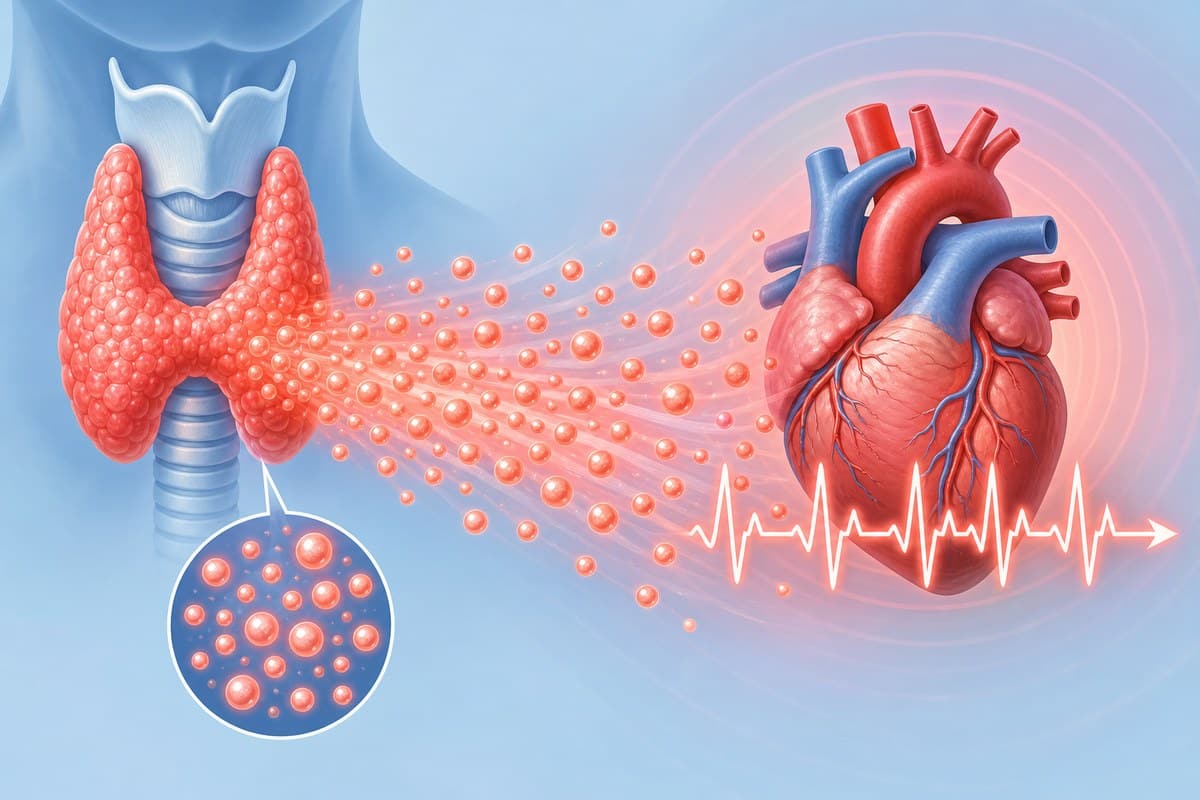
The notice identifies older adults, pregnant women and infants as groups that could face greater risk, particularly with extended exposure. Those warnings describe potential consequences of excess hormone exposure; they are not evidence that every tablet in the lot contained an excessive dose or that a patient injury has been confirmed.
Vitruvias said that, as of its Aug. 21 recall announcement, it had received no reports of adverse events known to be related to the recall. That is a company report at a specific point in time, not a finding that no harm occurred. The announcement also does not disclose the laboratory assay results, how far above specification any tablets may have tested, the cause of the potential potency problem or how long individual patients may have used tablets from the lot.
Reported Class I designation remains unconfirmed in an official record
Several news outlets later reported that the FDA had classified the Vitruvias action as a Class I recall, FDA terminology generally used for recalls in which exposure may cause serious adverse health consequences or death. USA Herald and The Economic Times reported that the designation occurred Sept. 22.
But the available official FDA page is the company’s August recall announcement, not an FDA recall-classification record, and it does not state that a Class I classification has been made. Without an official classification notice or database entry establishing that step, the reported designation cannot be treated as confirmed.
The distinction does not alter the immediate product-identification advice. The confirmed recall is a consumer-level voluntary action covering one lot because of a testing-based concern about potential superpotency. People taking Thyroid Tablets, USP 30 mg can check the lot number and expiration information with their pharmacy or prescriber, while continuing to seek medical guidance before discontinuing thyroid-hormone treatment.

