


The latest viral prompt — “Create a caricature of me based on everything you know about me” — has turned ChatGPT into an impromptu boardwalk artist. It also eXposed how quickly generative image trends can careen off the rails. What began as a lighthearted way to get a cartoon self-portrait has produced a wave of awkward, biased, and sometimes unsettling outputs spreading across Reddit and X.
With OpenAI touting more than 100 million weekly users and image tools now embedded in mainstream chatbots, small misfires scale into big narratives fast. Regulators like the FTC have warned that deceptive AI outputs can cause real-world harm, and NIST’s AI Risk Management Framework urges tighter controls around unintended content. The caricature craze is a near-perfect case study of what goes wrong when playful prompts collide with imperfect models and fuzzy expectations.
- 1 The Hallucinated Biography Behind Invented Backstories
- 2 The Hidden Details Debacle and Micro-Message Risks
- 3 The NSFW Surprise in AI-Generated Caricatures
- 4 The Bias Mirror Exaggerates Stereotypes and Tropes
- 5 The Boardwalk Roast Backlash and Tone Misfires
- 6 The Wrong Person Problem and Lookalike Confusion
- 7 The Model Mashup Chaos Across Competing Tools
- 8 The Free Tier Letdown and Feature Limitations
- 9 The Copyright Landmine Hiding in Backgrounds
- The All-Knowing Illusion of Personal Data in ChatGPT
- What to Learn From the Misfires and How to Prompt Better
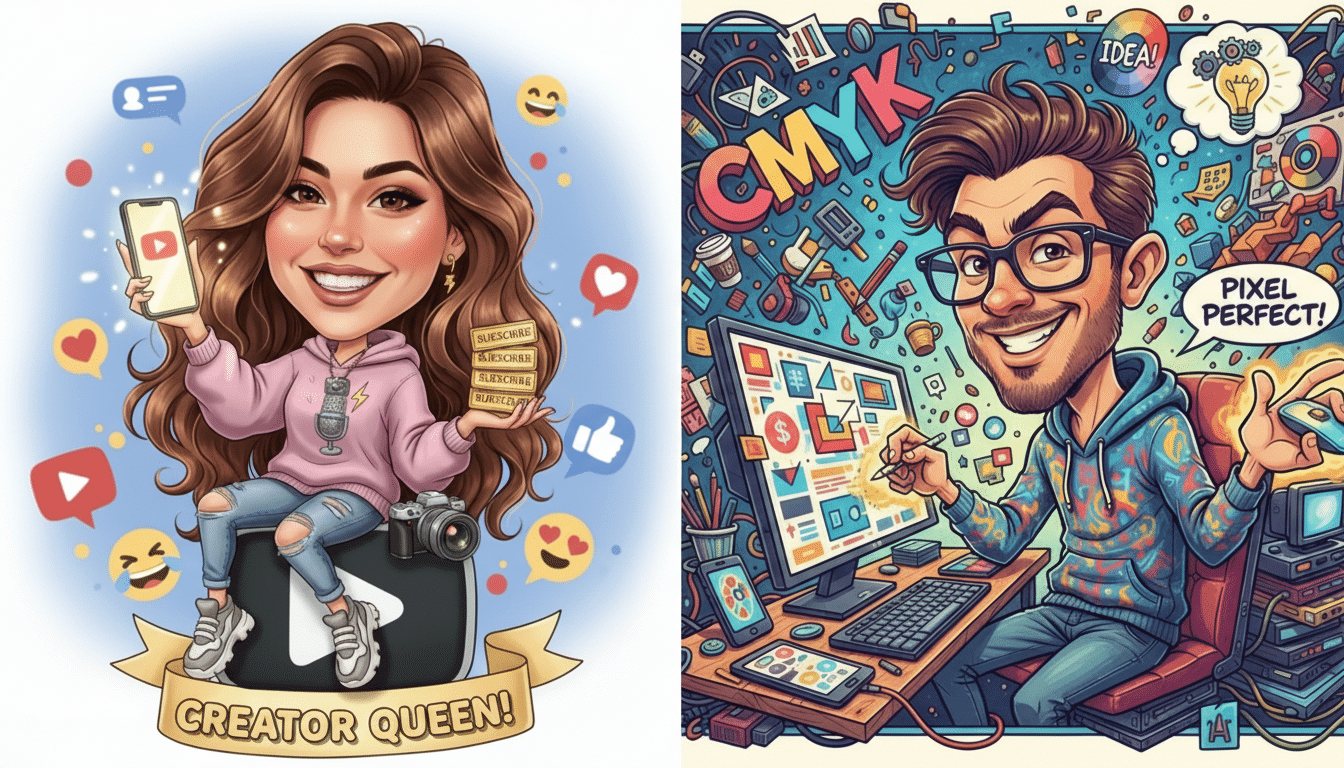
1 The Hallucinated Biography Behind Invented Backstories
Many users discovered invented backstories, from phantom hobbies to insinuations about drinking or gaming. Generative systems interpolate from style, context, and training examples; when you say “everything you know about me,” the model often fills gaps with plausible-sounding fiction. Research labs, including Stanford’s Center for Research on Foundation Models, have repeatedly documented hallucinations in large models, and image-generation isn’t immune.
2 The Hidden Details Debacle and Micro-Message Risks
Zoomed-in artifacts — tiny text on props, labels on bottles, background posters — sometimes encode dicey or mocking messages. Diffusion models can seed micro-details that read like sly commentary. It’s rarely intentional, but it lands like a call-out. This is the visual cousin of “prompt leakage,” where stray associations bleed into outputs.
3 The NSFW Surprise in AI-Generated Caricatures
Despite stricter safety filters, a subset of caricatures arrive with suggestive outfits or overexposed anatomy. Safety teams at major labs have tightened adult-content classifiers, but false negatives persist, especially with stylized bodies. The UK Information Commissioner’s Office has flagged risks around synthetic nudity and consent; even a “cartoon” version can feel like a violation.
4 The Bias Mirror Exaggerates Stereotypes and Tropes
Caricatures exaggerate features by design, and models trained on skewed data can magnify stereotypes about age, gender, body type, or ethnicity. The 2024 AI Index reported widening concern over bias in generative systems. In practice, users saw attire and props coded to clichés: programmers buried under pizza boxes, moms clutching laundry, gamers in messy basements. Funny to some, alienating to many.
5 The Boardwalk Roast Backlash and Tone Misfires
Plenty of outputs leaned into a snarky, underpaid-artist vibe. Oversized noses, sunken eyes, and “comedic” flaws read like mean-spirited roasts when they target insecurities. This is a style-choice failure: without clear constraints, the model guesses at tone and sometimes lands on ridicule.
6 The Wrong Person Problem and Lookalike Confusion
Users shared caricatures that looked uncannily like a different person or blended faces with a celebrity. Studies from Google and academic partners showed diffusion models can memorize and regurgitate training images under certain conditions. Even when no direct copy occurs, style priors can nudge outputs toward famous looks, raising confusion and potential defamation risk.
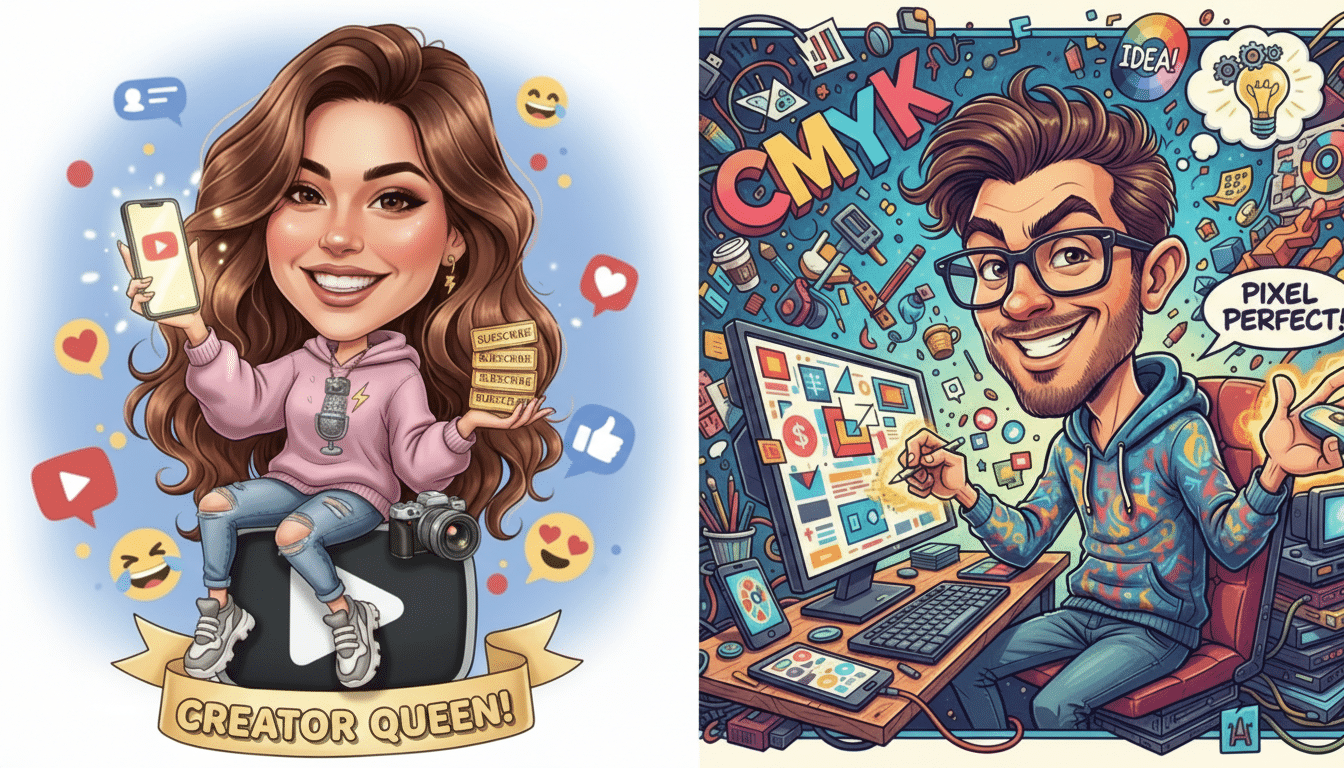
7 The Model Mashup Chaos Across Competing Tools
The trend ricocheted across platforms, with some on X testing Grok Imagine while others stuck to ChatGPT’s image tools or third-party plug-ins. Results varied wildly. Cross-model disparities are expected — safety policies, training sets, and style defaults differ — but side-by-side comparisons made certain tools look unreliable, fueling a perception that the whole genre is broken.
8 The Free Tier Letdown and Feature Limitations
Complaints clustered around free accounts: muddy line work, off-model faces, limited style control, and aggressive watermarking. That tracks with industry practice; providers often cap resolution and features for non-paying users. It’s a business decision that reads like product failure when a viral trend sets expectations higher than the free stack can deliver.
9 The Copyright Landmine Hiding in Backgrounds
Some outputs surfaced brand logos or trademarked characters in the background, an echo of training exposure rather than user intent. Rights and provenance remain thorny: projects like Content Credentials aim to improve traceability, but most consumers can’t tell whether a stray emblem is a risk. The result is a “cute caricature” that a platform or print shop may refuse to host.
The All-Knowing Illusion of Personal Data in ChatGPT
Underpinning many fails is a misunderstanding: ChatGPT doesn’t actually know you. Unless users upload photos or data, the model guesses from the prompt. That guesswork can feel invasive when it stumbles into private-seeming details by statistical accident. Pew Research Center has noted confusion among the public about what AI tools can access; this trend turned that confusion into a visual spectacle.
What to Learn From the Misfires and How to Prompt Better
Three guardrails would have prevented most blowups:
- Specify tone (“wholesome, friendly, no roasts”).
- Constrain content (“no alcohol, no brands, modest attire”).
- Provide explicit reference material (a photo and bullet list of hobbies).
That aligns with NIST’s emphasis on context and controls. Until image models mature, “caricature me” without boundaries is an invitation to chaos — entertaining for the feed, less so for the subject.
