


Valve has now quietly killed off the Steam Deck LCD 256GB, which makes for an interesting choice of timing since there’s holiday demand for a $399 entry into Valve’s handheld space.
As of an update to the official Steam Deck page, that model is no longer in production, leaving buyers with a lowest buy-in level of $549 for the 512GB OLED version or $649 for the 1TB OLED. The change was first noticed by Engadget, after they began disappearing from listings in certain regions.
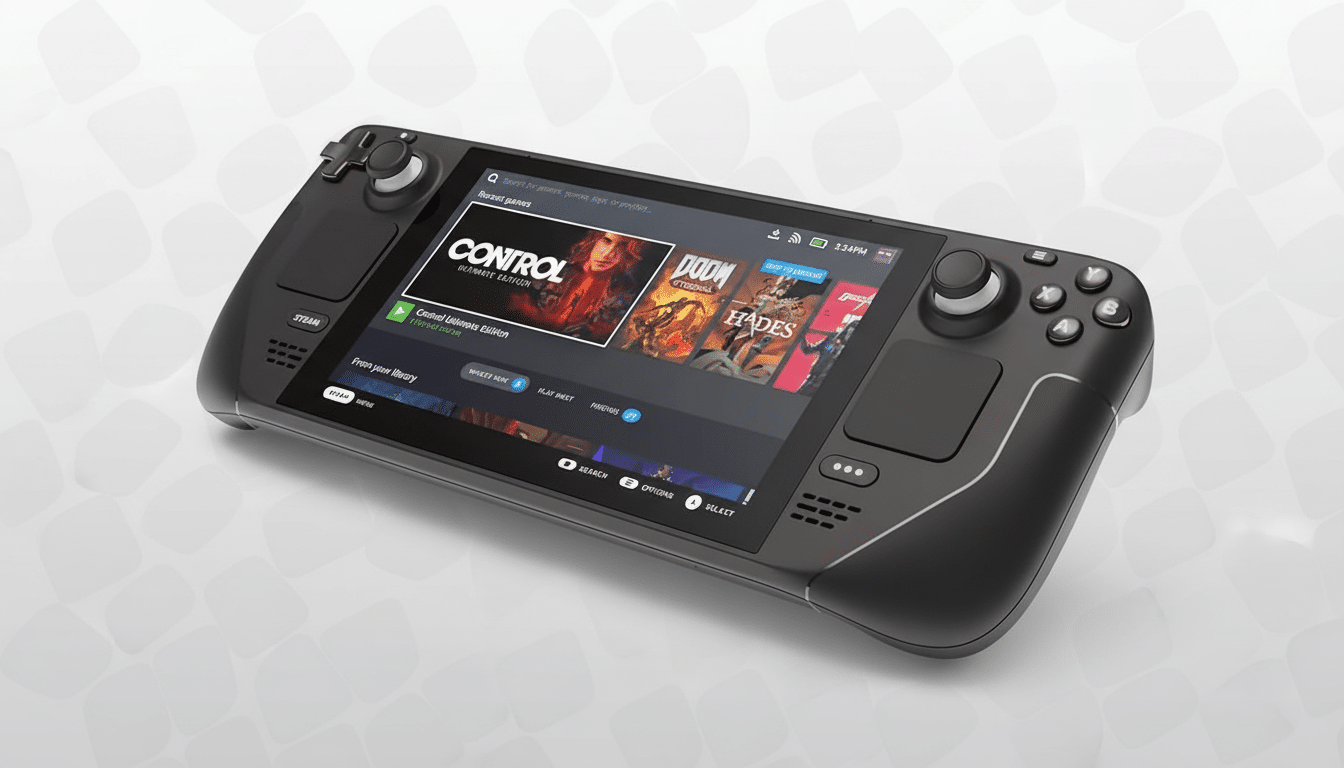
U.S. inventory: sold out at the time of writing, though pockets may remain in other markets or from third-party retailers and the secondhand channel. Valve hasn’t made a formal announcement about the decision, but it essentially solidifies the lineup around the newer OLED hardware.
What Changed, and What It Will Cost You Now
For anybody who was looking to spend under $400 on a handheld PC, the floor is no more. The smallest, cheapest version direct from Valve now costs $549 at the minimum; a $149.99 increase over the discontinued LCD 256GB. That top-end SKU is the 1TB OLED model for $649. You might still, briefly, find some LCDs at remaining stock from a retailer in one of these regions, but they’re essentially end-of-line.
Valve’s Certified Refurbished initiative could be an answer for budget shoppers, as the program has had occasional supply of discounted Steam Deck units that are up to factory spec. Availability varies and usually dries up quickly when shopping is in full swing, so it’s worth keeping an eye on if you need to be closer to the old price point.
Why Valve Is Focusing on OLED for the Steam Deck
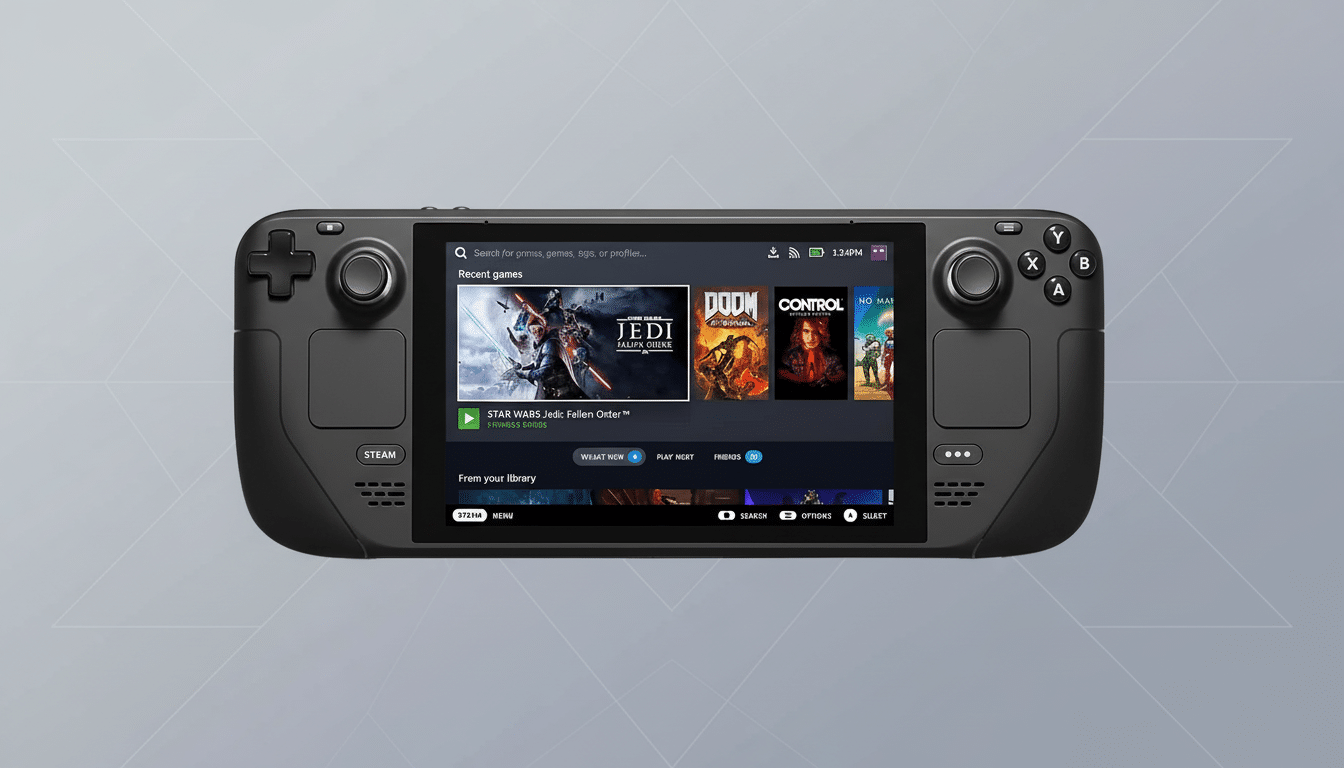
Among other pain points it has addressed at once, the leaked feature set included a 7.4-inch HDR-capable screen with deeper blacks and faster response times compared to the LCD in prototype units, an optional 90Hz refresh rate, a larger 50Wh battery, enhanced thermals (a potential pain point due to its original dimensions), and Wi-Fi 6E — for maximum-gain wireless performance. Valve also collaborated with AMD on a more efficient APU revision. The net result is meaningfully better battery life and smoother performance in many games than the LCD units.
From a portfolio perspective, scaling back to OLED SKUs neatly simplifies manufacturing and logistics. Less variety leads to simpler support, clearer marketing and perhaps better economies of scale. When the OLED-based models launched, Valve went very aggressive with LCD pricing to clear out stock, so shifting to an annual schedule that prioritizes OLED first is on brand for how the company has handled previous SKU transitions.
There is also a user experience perspective. With entry buyers now falling on OLED as the default, Valve is making sure new customers start with its best screen, battery and thermals for sale — and it’s reducing the gap between the “big boy” and “small boy” versions of Deck that can lead to three-tier buyer confusion.
Effects on Buyers and the Handheld Market
The price drop puts Steam Deck slap-bang into midrange PC-handheld territory now. Competing models such as the Lenovo Legion Go usually start at $699, and Asus’ own ROG Ally line ranges from $599 to about $799, if you account for configuration and discounting. Versus those, a $549 OLED Steam Deck has a competitive value proposition based on the oversized library and Proton compatibility effort that ensures most of Steam’s library works on SteamOS.
For budget-conscious shoppers, the shift is painful. A $399 price sticker made the LCD 256GB an easy gateway for PC-console curious buyers or stumped families trying to decide between a handheld PC and a console. With the new floor, Nintendo’s Switch line becomes the cheap handheld system pick and Steam Deck leans more into enthusiast territory — but also with a track record of some solid bang for your buck.
If you’re agonizing over an LCD holdout versus the OLED, know that the display upgrade isn’t a purely cosmetic one; fast-paced games feel more responsive at 90Hz, HDR adds punch to compatible titles, and the battery life improvements are tangible in day-to-day use. Those enhancements, and the ability to operate more quietly, are why many reviewers and content producers now consider the OLED to be the “real” baseline.
Availability and What to Watch Next for Buyers
And the remaining LCD units are sure to deplete immediately everywhere they do pop up. That means you have to buy it in that entire configuration, not just the base unit, though retailers often throw in a cheap accessory or memory card and then hike up their price once stock runs out — which is when the secondary market becomes your primary route to sub-$500 pricing. Once again, be sure to check condition and warranty before making a purchase used or refurbished.
According to the store messaging from Valve, discontinuation is final rather than a seasonal pause. Industry observers will be watching to see if Valve bolsters the OLED-only family of products with fire-sale pricing, linked to major Steam sales events, or whether it relies on refurbs year-round to meet entry-level demand. The early spotting of the listing change by Engadget is part of a pattern where Valve will update availability for hardware on product pages before sending out more widespread messages.
Bottom line: Steam Deck has entered the age of OLED. That increases the upfront cost, but it also homogenizes the experience across Valve’s best hardware. For a lot of buyers — particularly if you plan to spend serious hours in a Steam backlog that’s stocked with games or aren’t someone who needs access on-the-go — that trade tips in favor of the long game.
