


Who holds your home’s floor plans, cleaning history, and camera snapshots after the robot vacuum pioneer’s bankruptcy sale? iRobot says the answer is a new US-governed company called iRobot Safe, created to steward Roomba user data even as ownership of the main business transfers to Picea, its China-based manufacturing partner, following Chapter 11 restructuring.
The move is designed to reassure customers that personal information stays under US oversight and outside the operational control of the new foreign owner. It’s a rare structural split in consumer tech: hardware and brand on one side, data custodianship on the other.
- What iRobot Safe Actually Controls for Roomba Users
- Why the US Stewardship of Roomba Data Matters
- Technical and Legal Firewalls to Watch for iRobot Safe
- What This Means for Your Existing Roomba User Data
- Competitive and Regulatory Backdrop for Robot Vacuums
- Practical Steps for Roomba Owners to Take Right Now
- Bottom Line on iRobot Safe and Control of Roomba Data
What iRobot Safe Actually Controls for Roomba Users
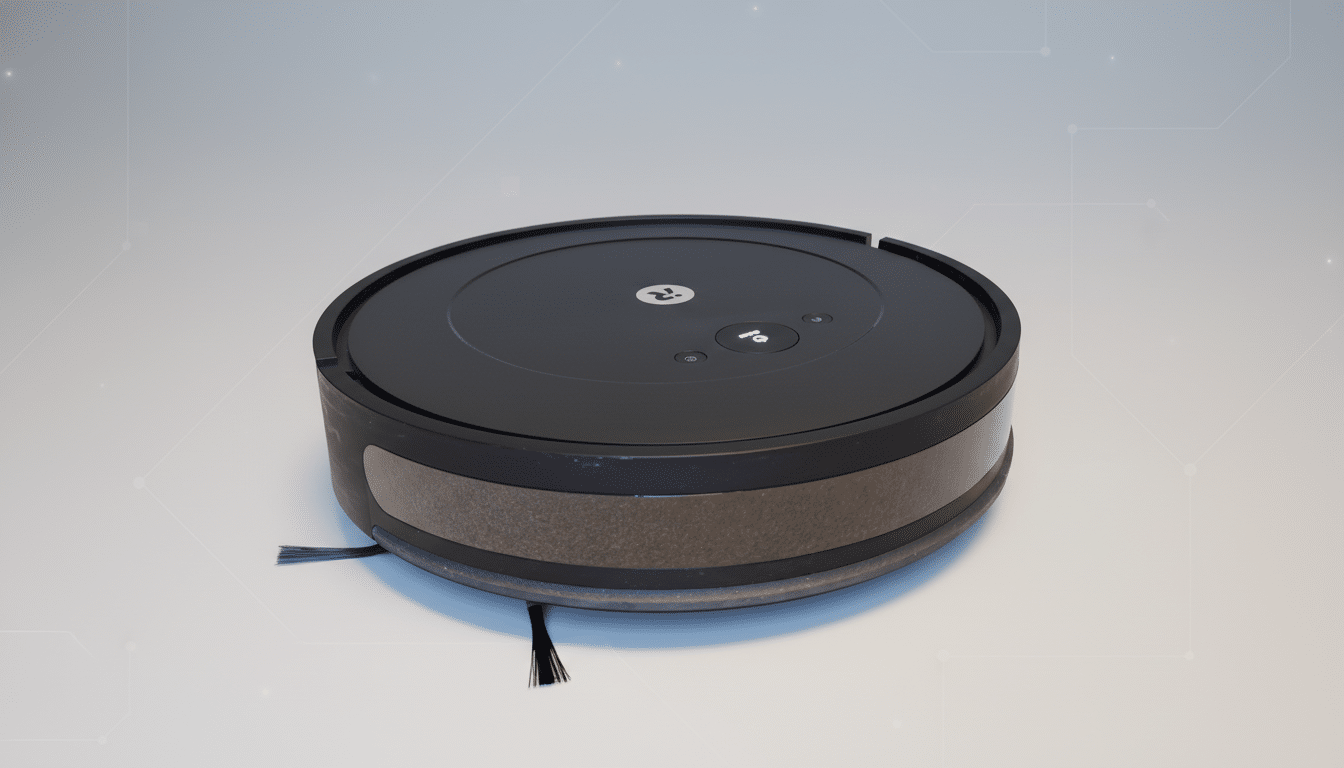
Roomba vacuums collect more than dust. Depending on your model and settings, data may include home maps, room labels, cleaning schedules, Wi-Fi details, usage logs, and in some models with front-facing cameras, limited imagery to identify obstacles. The companion app ties that to your account for features like smart maps, zones, and voice assistant integration.
According to iRobot’s announcement, iRobot Safe will manage the storage and processing of this user data, be governed by a board of US citizens, and operate as a separate legal entity from the product business now owned by Picea. That separation is meant to create a clear chain of custody and accountability for your information.
Why the US Stewardship of Roomba Data Matters
Data jurisdiction and corporate control dictate who can access information and under what laws. Placing Roomba data with a US-based custodian keeps it squarely under US privacy and consumer protection regimes, including potential oversight by the Federal Trade Commission for unfair or deceptive practices, as well as obligations under state privacy laws such as the California Consumer Privacy Act and its CPRA expansion.
Geopolitics looms large here. Consumers and policymakers have grown wary of sensitive data flowing to entities subject to foreign state influence. This was amplified by past incidents, like a 2022 report by MIT Technology Review detailing how images from Roomba test units ended up on social platforms via third-party data labeling contractors. A US-governed data steward aims to reduce those risks and sharpen accountability if something goes wrong.
Technical and Legal Firewalls to Watch for iRobot Safe
Structure alone isn’t enough; implementation is everything. Key measures that would validate iRobot Safe’s promise include end-to-end encryption of maps and logs, strict key management controlled solely by the US entity, segregated cloud infrastructure, auditable data minimization, and contractual bans on cross-entity access except where explicitly consented by users.
Independent third-party audits and certifications (for example, SOC 2 Type II or ISO/IEC 27001) would further demonstrate that the data custodian operates with robust controls. Clear transparency reports on government and third-party requests, along with timely breach notifications, will be critical signals of trust.
What This Means for Your Existing Roomba User Data
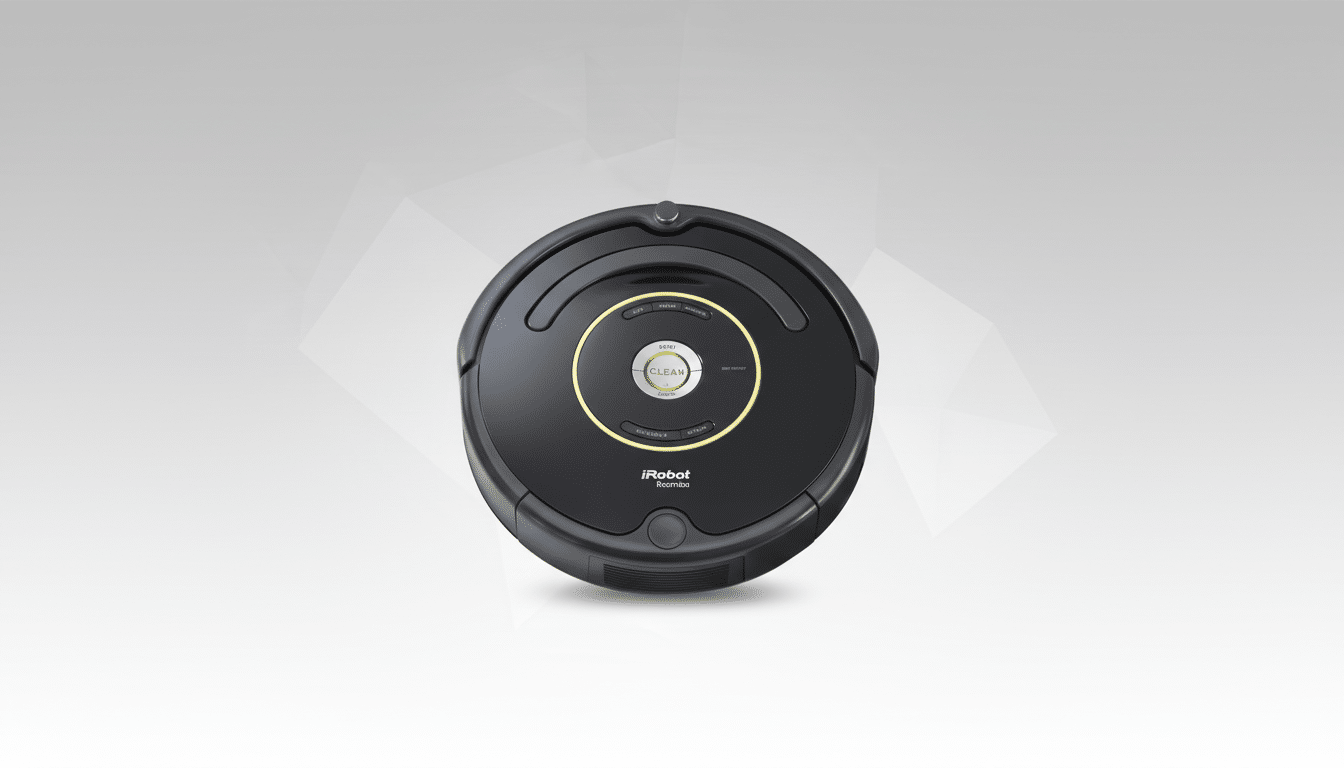
iRobot indicates that day-to-day product experiences should continue uninterrupted and that US-based engineering, marketing, and development operations will persist. For customers, this suggests the existing app, maps, schedules, and integrations remain intact, with data governance transitioning to iRobot Safe behind the scenes.
Your rights to access, delete, or restrict data should remain in force. Under state privacy laws, many users can request deletion or opt out of certain data processing. European users benefit from GDPR rights, including data portability and erasure. The new structure should not dilute these rights; if anything, the separation clarifies who must answer the door when you exercise them.
Competitive and Regulatory Backdrop for Robot Vacuums
The robot vacuum market has become intensely crowded, with aggressive innovation and pricing from brands like Roborock, Ecovacs, and Dyson. Some rivals are pushing capabilities such as auto-empty docks, AI obstacle avoidance, and even early-stage mobility beyond flat floors. In that climate, data stewardship isn’t just compliance—it’s a differentiator. Companies that convincingly protect home data may find it easier to retain customers and command premiums.
On the regulatory front, any cross-border change in control of a company that handles sensitive consumer data can attract scrutiny from US authorities. While not all such transactions trigger formal review, the heightened focus on data security means iRobot Safe’s design and execution will likely be watched closely by policymakers and privacy advocates.
Practical Steps for Roomba Owners to Take Right Now
Check your app’s privacy settings: confirm what data you share, review map uploads, and toggle camera options where available. Consider exporting a copy of your data for your records, then pruning what you no longer need—such as old maps or voice assistant links.
If privacy is paramount, you can operate many models with minimal cloud features, though you’ll forgo conveniences like smart mapping. Periodically revisit iRobot’s privacy policy to see how iRobot Safe is described, what third parties are listed, and how to contact the data custodian directly for requests.
Bottom Line on iRobot Safe and Control of Roomba Data
Control of Roomba’s user data is shifting to iRobot Safe, a US-based, American-governed spin-off created to keep your home’s digital footprint under domestic oversight while the core business moves to Picea. The promise is clear separation of data from foreign ownership. The proof will be in transparent governance, independent audits, and the technical safeguards that keep your floor plan—and your privacy—out of the wrong hands.
