


United Airlines has tightened its in-flight noise rules, adding explicit language to its Contract of Carriage that allows crews to remove — and potentially ban — passengers who play audio or video over speakers instead of using headphones. The move formalizes a long-standing etiquette expectation and gives flight attendants clearer backing when cabin noise becomes a disruptive safety or comfort issue.
A United spokesperson said the company has long reminded customers via in-flight Wi‑Fi prompts and announcements to use headphones, and that enshrining the rule in the contract makes expectations unambiguous. In practice, it means ignoring requests to plug in could escalate from a warning to being asked off the flight, and, in serious cases, to a ban from flying the airline.
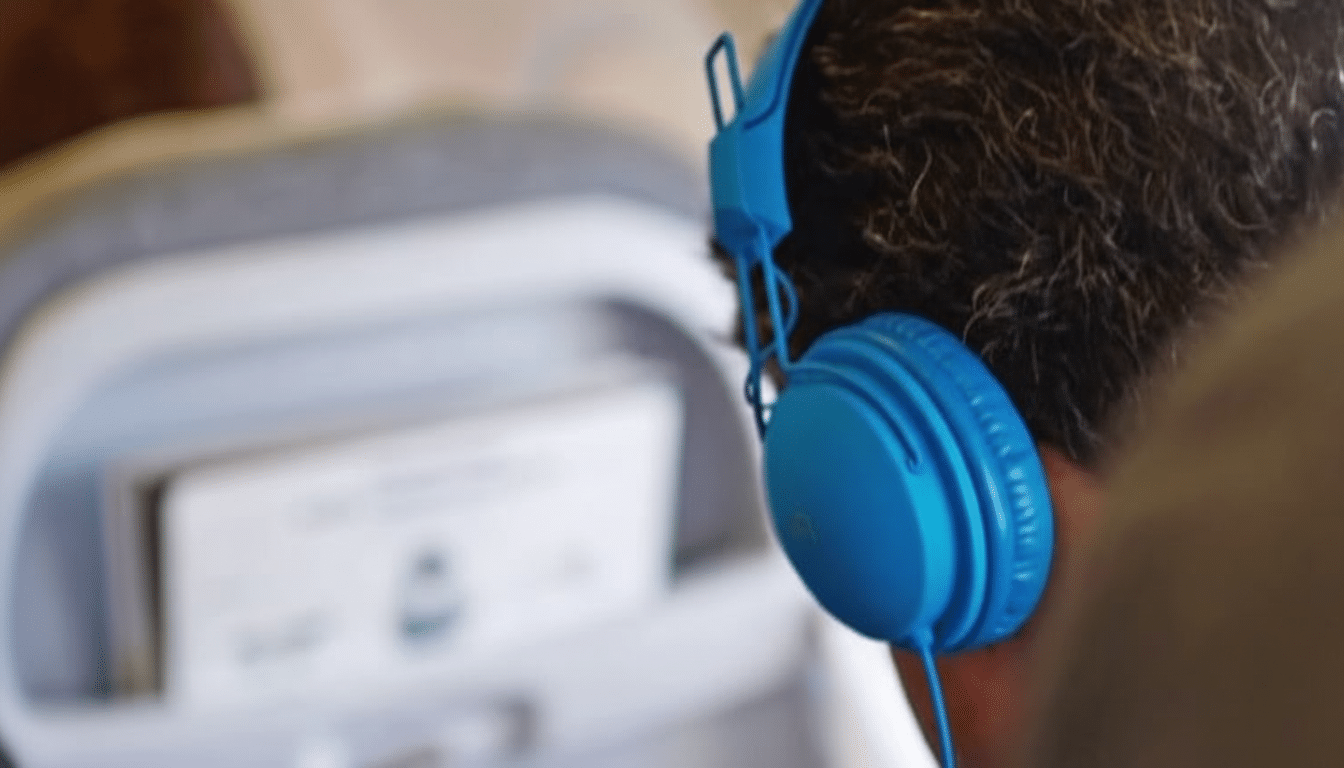
What United Changed in Its Contract of Carriage Rules
The update appears in United’s Refusal of Transport provision — the section that authorizes denial of boarding or removal for safety or security reasons. Alongside familiar triggers like threatening behavior or ignoring crew instructions, United now names “passengers who fail to use headphones while listening to audio or video content.” The clarification targets audible media, not silent screen use.
Because it sits under the safety rubric, the rule isn’t just about courtesy. Loud personal devices can interfere with safety briefings, drown out crew instructions, and spark conflicts among seatmates. By writing headphone use into the contract, United gives crews a clean, enforceable pathway: request, warn, and, if necessary, remove.
How Enforcement Could Work Under United’s New Policy
Cabin crews typically start with a polite reminder. If a passenger refuses, flight attendants can escalate to a formal instruction, which carries weight under federal law. Should noncompliance continue, the captain can delay departure to deplane the customer or divert if already airborne. United can also place chronic offenders on its internal no-fly list — a ban that applies only to United, not other carriers.
The legal foundation is straightforward: FAA rules prohibit interfering with crew members and require passengers to follow crew instructions. The FAA’s “zero tolerance” posture toward unruly behavior since 2021 has led to thousands of enforcement actions and millions of dollars in proposed civil penalties. Headphone disputes are unlikely to draw the heftiest fines, but refusal to comply can qualify as interference when it disrupts safety duties.
Where Other Airlines Stand on Headphone Use Policies
Most U.S. carriers already tell customers to use headphones for personal devices, often in FAQs, in-flight magazines, or Wi‑Fi portals. Southwest, for example, lists headphones as required for personal audio, and ultra-low-cost carriers commonly note it in their onboard etiquette and baggage policies. What sets United apart is placing an explicit headphone clause inside the Contract of Carriage with a direct tie to removal or bans.
There is no industrywide ban list for disruptive passengers, although Airlines for America has urged policymakers to consider one. Today, bans are airline-specific, while information-sharing with the Department of Justice has increased for the most serious cases. In short, a headphone refusal could get you barred from United, but it won’t automatically follow you to another airline.
Why Cabin Noise and Etiquette Are Drawing New Focus
Airlines are still managing the fallout from a volatile period of passenger behavior. The FAA logged nearly 6,000 unruly passenger reports in 2021 during the height of mask conflicts. While incidents have fallen since, the agency still recorded more than 2,000 reports in 2023 — well above pre-2020 norms. Globally, IATA reported a 47% increase in unruly incidents per flight in 2022 compared to 2021, with noncompliance and verbal confrontations leading the list.
Noise spats are a frequent spark for onboard confrontations captured on viral videos, and they place crews in the role of referee. Tightening the rulebook gives flight attendants clearer authority to defuse issues early, before they escalate into diversions, delays, or worse.
What Travelers Should Do Now to Avoid Onboard Noise Issues
Bring headphones — and a backup pair. Wired earbuds are a useful fail-safe if Bluetooth isn’t permitted during taxi, takeoff, or landing, or if your battery dies. Keep volumes low enough to hear announcements, and if you don’t have headphones, keep your device muted with captions on. If a crew member asks you to plug in or turn it off, comply immediately.
For families, pack kid-friendly headsets and test volume limiters at home. For solo travelers, consider a splitter if you plan to share a movie. Small steps like these reduce friction in tight quarters — and, under United’s clarified policy, can be the difference between a seamless trip and an unexpected date with the jet bridge.
The headline change is simple: on United, audible media without headphones is no longer just rude. It’s a contract violation that can get you removed from the flight — and, if you persist, banned from the airline.

