


Have you ever wished your pond could feel more alive, peaceful, and truly magical?
Many pond owners struggle with still water that looks dull and lacks movement, making the entire outdoor space feel incomplete.
- Why Add a Fountain or Waterfall to Your Pond?
- Early Planning and Decision Making
- Choosing the Right Pump and Supplies
- Preparing Your Pond Area
- Installing a Fountain
- Step One Place the Pump in the Pond
- Step Two Connect Tubing
- Step Three Choose Your Fountain Head
- Step Four Adjust Water Flow
- Step Five Final Touches
- Building a Waterfall Feature
- Step One Plan the Path
- Step Two Prepare the Ground
- Step Three Position the Pond Liner
- Step Four Place the Pump
- Step Five Arrange Stones
- Step Six Test Before Finishing
- Step Seven Add Finishing Details
- Tips for Year Round Enjoyment
- Enhancing the Look of Your Water Feature
- Final Thoughts
In this guide, you will learn simple step-by-step ways to add beautiful water movement, choose the right setup, and create a relaxing feature that transforms your pond into a stunning backyard highlight.
Why Add a Fountain or Waterfall to Your Pond?
Water features do more than just look nice. They add sound and motion to your outdoor space which can turn a simple garden into a calm retreat. The sound of flowing water soothes the mind and also masks unwanted noise from nearby traffic or other outdoor sounds.
A fountain or waterfall also improves pond health. When water moves it mixes air into the pond which helps fish plants and the overall ecosystem thrive. Stagnant water often leads to bad odor and poor water quality. Adding movement keeps water fresh and peaceful.
Fountains and waterfalls can also attract birds and wildlife. Many birds enjoy bathing in moving water and small animals may visit your garden more often when water is present.
No matter the size of your pond, adding one of these water elements can increase enjoyment and beauty.
Early Planning and Decision Making
Before you start, decide what type of feature you want.
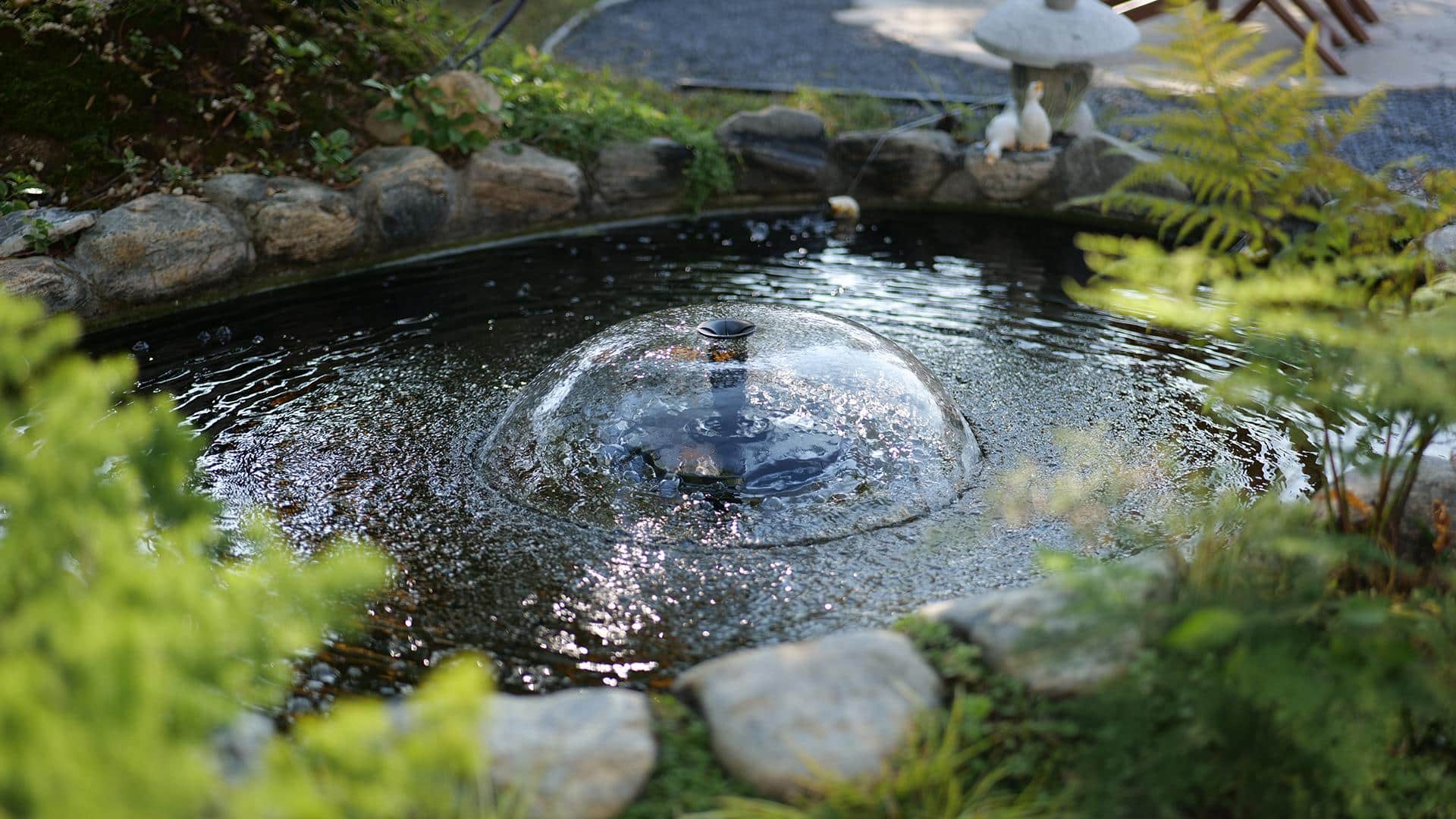
Will it be a fountain that sprays water into the air or a waterfall that flows over stones?
Many pond owners choose waterfall kits because they simplify installation and include the main parts needed for smooth water flow, making the process quicker and more reliable.
Think about your garden style and how much maintenance you can manage.
A simple fountain needs less care, while a layered waterfall with rocks and plants requires more attention.
Also consider your pond size, as small ponds suit gentle features and larger ponds need stronger water flow.
Check sunlight in your pond area as well, especially if you plan to use solar-powered equipment.
Choosing the Right Pump and Supplies
The pump is one of the most important components since it moves water through your fountain or waterfall. There are many sizes and types but a good rule of thumb is to match the pump to the size of your pond and the height or volume of water you want to move.
You will also need basic supplies such as flexible hose or tubing to connect the pump to your fountain head or waterfall. Stones or liners may also be required to guide the water smoothly. Choosing a complete pond waterfall kit can make this process much easier, as it usually includes a pump, tubing, and liner in one package. With everything designed to work together, installation becomes more organized and reliable, helping you create a smooth and natural-looking waterfall without unnecessary effort.
Preparing Your Pond Area
Once you have gathered your supplies it is time to prepare the area around your pond. First remove debris and weeds from the region where the feature will sit. A clear area gives you space to work and prevents obstacles during installation.
If you are adding a rock waterfall you may want to lay out the stones on dry ground first. This lets you test the look and flow before the water runs. Stack the stones in a way that feels natural and allows water to run smoothly from one level to the next.
Take your time in this stage. A well prepared area makes the actual installation easier and helps your water feature look more natural and attractive.
Installing a Fountain
Adding a fountain brings movement and sound to your pond without changing the shape of the pond edge.
Here is how to install one in just a few steps.
Step One Place the Pump in the Pond
Set your pump on the bottom of the pond close to the center or near the edge depending on your fountain design. The pump should sit flat and stable in water.
Step Two Connect Tubing
Attach the flexible tubing to the pump outlet. Make sure it fits snugly so water does not leak out along the connection.
Step Three Choose Your Fountain Head
Fountain heads come in many styles. Some create tall sprays while others form gentle ripples. Once you choose the style you like most, attach the fountain head to the tubing.
Step Four Adjust Water Flow
Plug in or start your pump and observe the water movement. Use the flow control on the pump if available to set the water height to your preference.
If the water splashes outside the pond edge you may need to reposition the fountain head or adjust the pump strength.
Step Five Final Touches
Clear any leaves or debris from the water before enjoying your new fountain. Add pretty stones around the pond edge or install simple lighting to highlight the feature at night.
Building a Waterfall Feature
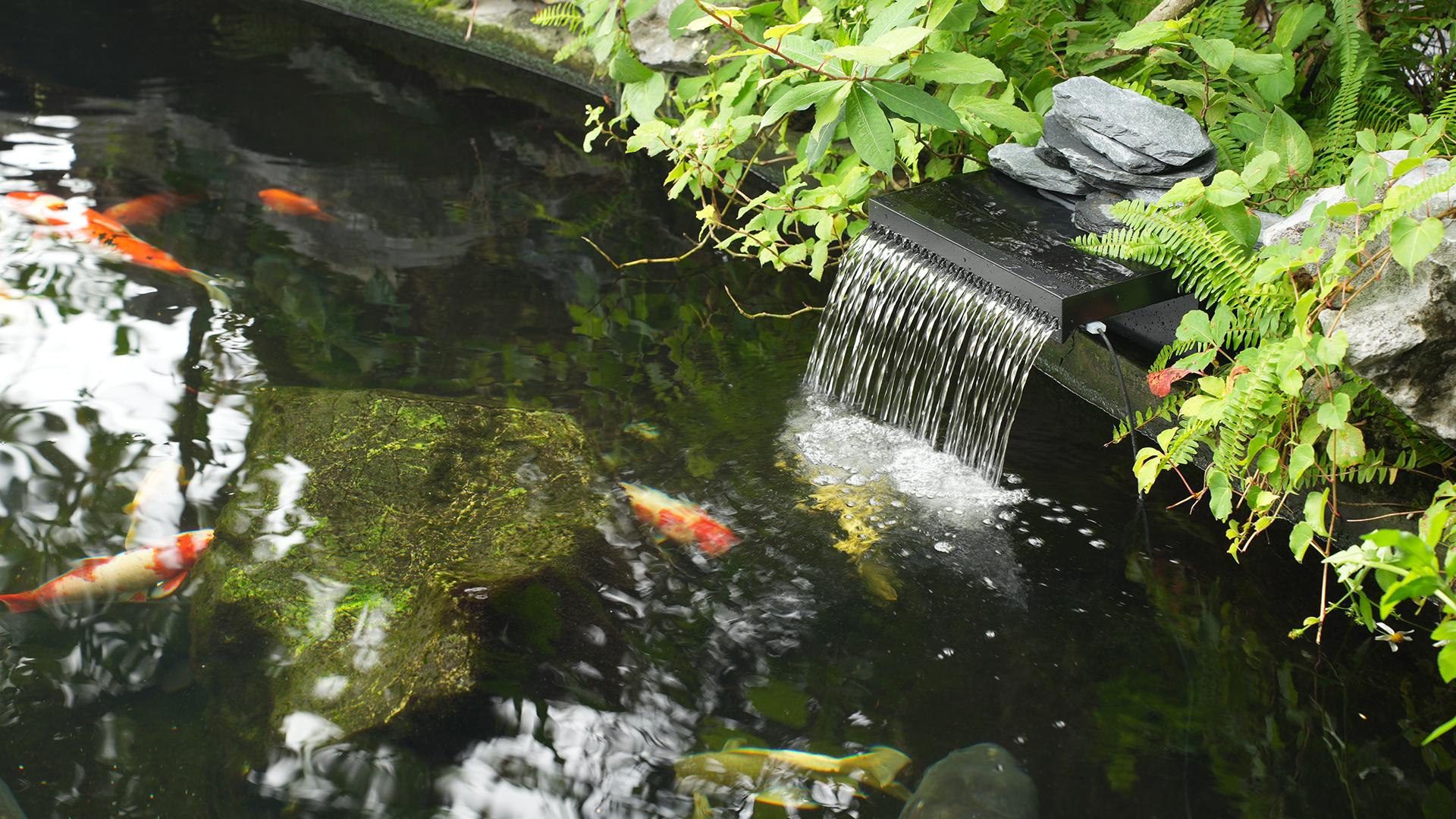
Adding a waterfall can be a bigger project than a fountain, but the result can be absolutely stunning. Here is a straightforward way to build a waterfall that flows naturally into your pond.
Step One Plan the Path
Decide where you want the waterfall to begin and how water will travel over the stones into your pond. You may want the water path to curve or gently cascade depending on the look you want.
Step Two Prepare the Ground
Remove grass dirt and plant material from where the waterfall stones will sit. You may need to dig a small ledge or level area to help the stones form a stable base.
Step Three Position the Pond Liner
If your waterfall will extend outside your main pond area you may need to add an extra liner so water does not escape into the soil. Lay this liner ahead of time and secure the edges.
Step Four Place the Pump
Set the pump at the lowest point where it will stay underwater. Connect tubing from the pump to the top of where the waterfall will begin.
Step Five Arrange Stones
Start placing stones from the top down. Make sure each stone sits stable on the one below. The goal is to create a natural looking slope for water to run over.
Working patiently as you stack each stone will help avoid future leaks or unstable points where water may seep under the rocks.
Step Six Test Before Finishing
Before adding plants or gravel, set the system running. Watch how water flows over the stones and make adjustments to the position of rocks or tubing if needed.
Step Seven Add Finishing Details
Once water runs smoothly over the waterfall, finish the surrounding area with gravel plants or outdoor lighting. These touches make the waterfall look like a natural part of your pond.
Tips for Year Round Enjoyment
After installation you can take steps to enjoy your water feature throughout the year.
Keep the Water Clean
Remove leaves and debris regularly so the water stays clear and fresh. A net scoop makes debris removal easy and quick.
Check the Pump Often
Look at your pump regularly to make sure it stays free of dirt and blockage. A clean pump works more reliably and lasts longer.
Winter Care in Cold Climates
If you live where it gets cold in winter, consider removing the pump and storing it in a dry place. If water freezes it can damage the pump and materials. Cover the pond lightly if you expect heavy snow.
Maintain Around the Feature
Trimming plants and preventing overgrowth near the water helps keep your design clean and simple. A neat space around the water draws more attention to its beauty.
Enhancing the Look of Your Water Feature
A fountain or waterfall is already a stunning addition but you can take it further with a few enhancements.
Add Lighting
Outdoor lights make your water feature shine at night. Place lights near the pond edge or under water safe lights to highlight the flow.
Include Plants
Many plants look lovely around ponds. Use plants that love moisture and place them where they frame the water feature without crowding it.
Use Natural Stone
Natural stone placed around the edge of your pond and around a waterfall brings a peaceful and balanced look. This simple element helps the water feature feel like part of the garden.
Final Thoughts
Adding a fountain or waterfall kits to your pond can bring lasting beauty to your outdoor space. With careful planning the right tools and a bit of effort you can create a stunning water feature that pleases the eye and comforts the soul.
Whether you choose a rising spray fountain or a gentle waterfall over rock you will enjoy the sound and motion of water throughout the seasons.
