


Total Wireless is putting a postpaid-style playbook in the hands of prepaid, also offering free-phone promotions and financing plans that allow customers to pay for their device over time with $0 down. It’s a significant change for a category that has traditionally either forced buyers to pay upfront or rely on third‑party financing separate from their mobile bill.
How the new Total Wireless offers and financing work
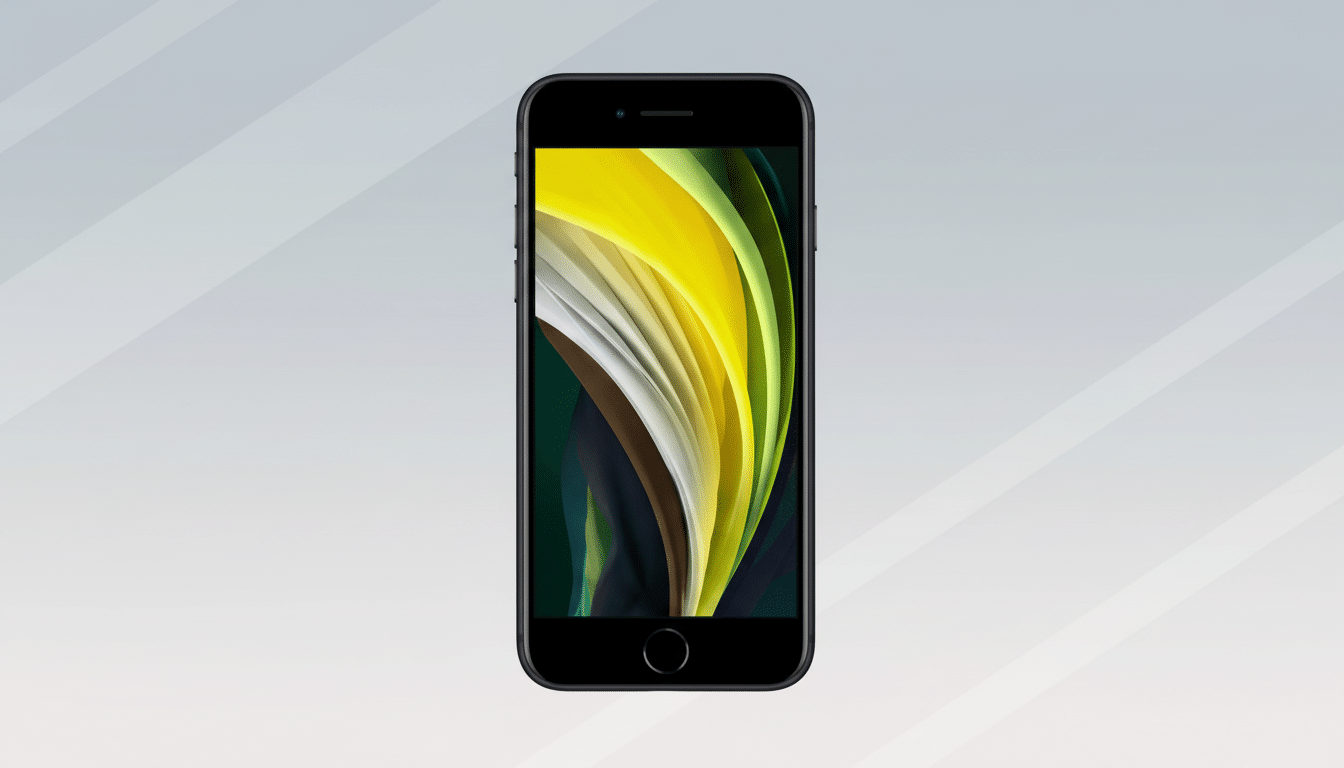
The carrier is rolling out a branded installment equipment program at the billing level. In reality, you’re getting a new phone for no money at the time of purchase, with device payments amortizing over 24 months through an arrangement facilitated by financing partner Glow. Your bill credits are spread out over the course of your installment, so some models will cost as much as $700 while other models like the iPhone SE will effectively have a price cut to “free” once you keep your line active for the full term.
- How the new Total Wireless offers and financing work
- Which phones are eligible under these new promotions
- Why this matters for prepaid purchasers today
- The fine print and the true total cost, explained
- How It Compares To Postpaid And Other Prepaid Options
- What to ask before you join or switch plan options
- Bottom line: who should consider these offers now
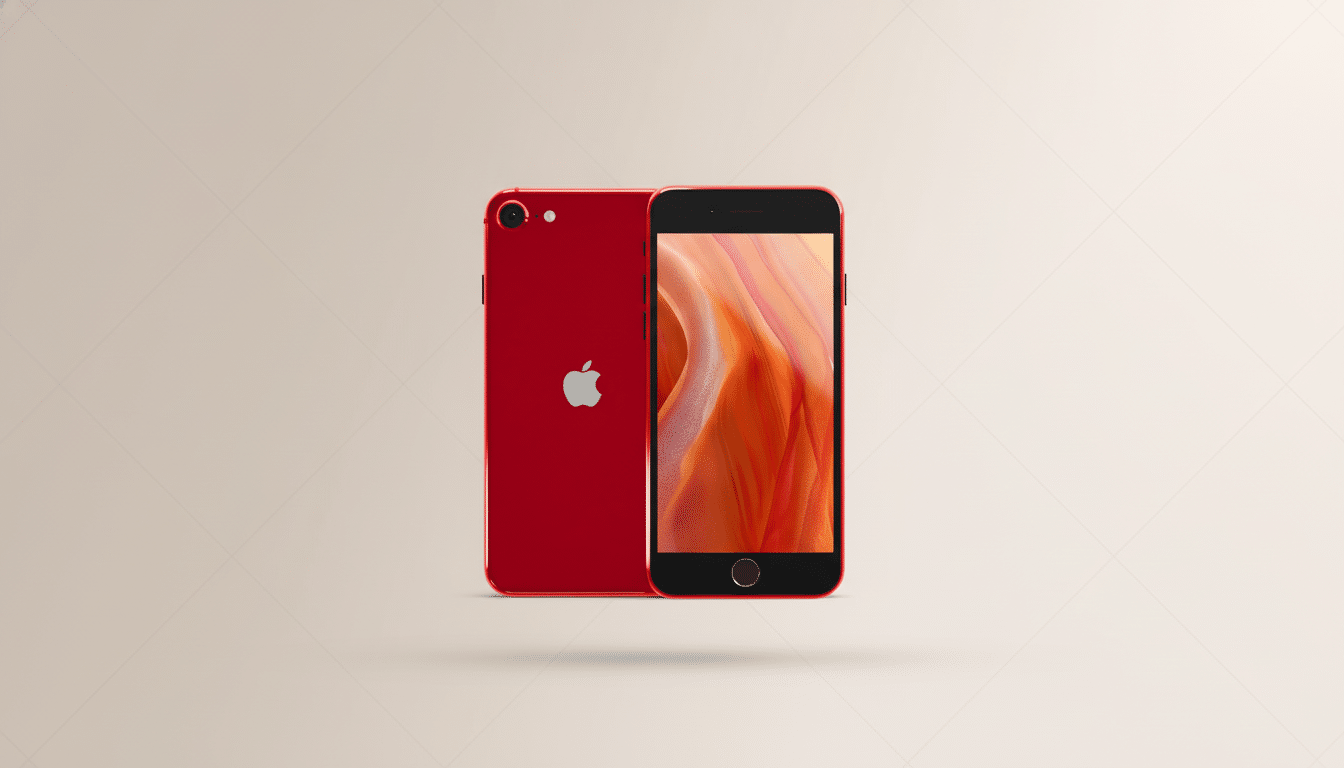
Eligible customers can get 0% APR financing, and payments are made on the same bill as your service plan. Cancel early or switch to something else, and the bill credits cease — which means you end up on the hook for whatever’s left of that device balance. This is similar to how “free” phones function on the big three postpaid carriers, with the headline price contingent on sticking around for the long run.
Which phones are eligible under these new promotions
At launch, availability appears limited. Early materials suggest the iPhone 16e is the only model being marketed as a free option through bill credits, with other devices set to cycle in and out of that promotion as offers change. Along with the new long‑term offers, Total Wireless also has its standard prepaid promos: budget to sometimes midrange Android handsets that are yours on activation with a purchase of service.
As with other carriers, standard unlock policies should apply. For devices on bands 5 and 25, many devices will be unlocked after you’ve used them for 60 days (carrier/FCC policy), but your total financing agreement will still need to be paid before you can move the device on.
Why this matters for prepaid purchasers today
Prepaid consumers have long exchanged phone subsidies for lower monthly bills and fewer strings. But smartphone prices keep climbing. Counterpoint Research also reports that, in the U.S., average selling prices in higher‑priced tiers have been pushed above historical trends. Spreading the costs over two years could mitigate that hit for budget‑conscious buyers.
The change is also a reflection of prepaid’s increased traction in the market. Industry reporting by CTIA suggests nearly 1 in 5 U.S. wireless lines are on prepaid or value brands. For a lot of these families, affordability and predictability are more important than niceties. A large share of Americans depend solely on a smartphone as their link to the internet, according to Pew Research Center, meaning financing can help open access to newer hardware without users needing a chunky sum all at once.
The fine print and the true total cost, explained
And the math still matters, even if nothing down is tempting. Here’s an example of how these deals usually work: A $500 phone is financed for 24 months ($20.83 a month). The bill credits are of equal value to make the phone “free” as long as you keep the service agreement. It’s “free,” but if you leave after 12 months, you might owe about half what the phone originally cost as the remaining credits disappear.
Also consider the opportunity cost. Paying full freight for a discounted device, particularly during holiday sales or through trade‑in programs at the manufacturer, often yields a lower lifetime cost and frees you to move carriers on your own time. On the downstream side, installments can make cash flow smoother while budgeting easier — especially when you can stack in autopay discounts for service.
How It Compares To Postpaid And Other Prepaid Options
On the big three, it’s 24–36 month bill‑credit deals and aggressive trade‑ins all around. Prepaid providers have largely depended on third‑party financing companies like Affirm or SmartPay, where the financing is held separately from your mobile bill. Total Wireless has eliminated that extra step, bringing the experience in line with postpaid standards here as well — but it’s also brought over the same lock‑in mechanisms.
Competing prepaid brands like Cricket, Metro and Boost are consistently running offers for free phones to switchers, but those are frequently base-level models locked to in‑store activations or plan tiers. As Total Wireless potentially expands the scope of who’s eligible beyond a single iPhone option, and into current mid‑range Android phones, it could force competitors to mimic inclusive 0% installment programs.
What to ask before you join or switch plan options
- Which specific monthly credits would I qualify for and for how long?
- If I cancel or change plans, what happens to the credits and remaining balance?
- Can I pay early without being charged any penalties, and when will my device be unlocked?
- What does the total two‑year cost (service and device) look like versus buying a phone outright on a more affordable plan?
Bottom line: who should consider these offers now
Total Wireless is bridging the divide between prepaid and postpaid with free phone promo bundling and in‑bill 0% payment plans. It’s a welcome convenience for buyers who prefer to keep upfront costs low, and plan to stay put. For cost-conscious, flexibility‑seeking consumers, buying a device outright and keeping your service costs slim is still going to be hard to beat.
